2026 Top Trends in Manufacturing Automation for Industry Growth
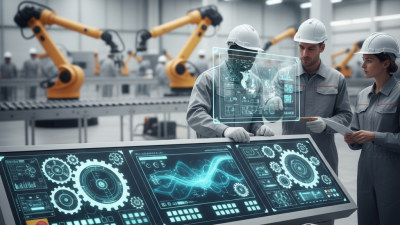
As we approach 2026, the landscape of manufacturing automation is evolving rapidly. According to Dr. Emily Chen, a noted expert in industrial automation, "Embracing new technologies in manufacturing is no longer optional; it's essential for survival." Her words reflect the urgency felt by many in the industry. The integration of advanced robotics, AI, and IoT is reshaping operations.
Manufacturers are now tasked with adopting smart solutions to enhance efficiency and reduce costs. Companies that fail to innovate may find themselves outpaced. Emerging trends indicate a focus on sustainability and lean practices. However, there remains skepticism regarding the complete transition to automated processes.
The future demands a balance between human expertise and automation. Organizations must reconsider their workforce strategies. Invest in training programs to uplift existing employees. The journey into manufacturing automation presents challenges but also opportunities for growth and resilience.
Impact of AI and Machine Learning on Manufacturing Efficiency in 2026
In 2026, artificial intelligence (AI) and machine learning are set to transform manufacturing efficiency significantly. According to the International Data Corporation (IDC), AI integration could boost productivity in manufacturing by up to 30%. This creates immense potential for cost reduction and increased output. Manufacturers are adopting predictive maintenance to avoid downtimes, enhancing operational reliability. Real-time data analysis empowers managers to make informed decisions quickly.
However, the adoption of these technologies is not without challenges. Many manufacturers face integration hurdles. A report by McKinsey indicates that about 70% of digital transformations fail to achieve their intended outcomes. This prompts a critical reflection on the approach towards implementing AI and machine learning. Training employees to work alongside these systems requires careful planning. The workforce must adapt to new tools, ensuring a smooth transition.
Furthermore, there are concerns regarding data privacy and security. Protecting sensitive information while utilizing AI often poses ethical dilemmas. Companies need robust frameworks to manage these risks effectively. As the manufacturing landscape evolves, balancing efficiency gains with ethical considerations will be paramount for sustainable growth.
Adoption Rates of Robotics in Key Manufacturing Sectors by 2026
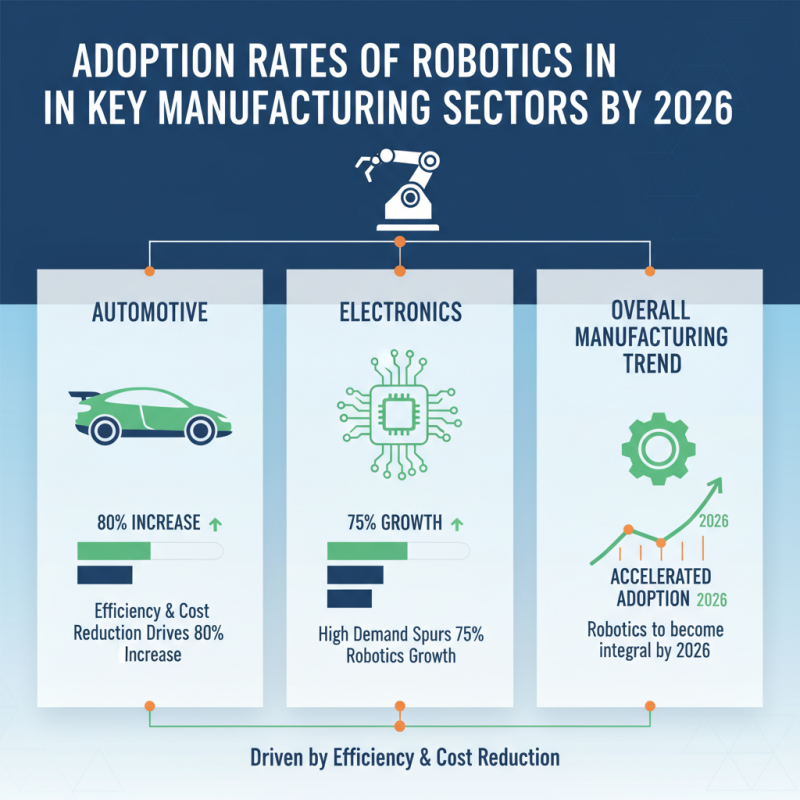
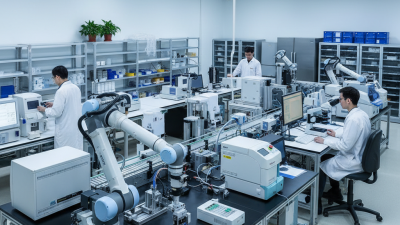
The adoption of robotics in manufacturing is set to accelerate by 2026. Key sectors like automotive and electronics are particularly poised for this shift. These industries are experiencing strong pressures to enhance efficiency and reduce costs. As a result, the reliance on automation is growing rapidly.
In the automotive sector, robots are designed for precision and speed. They handle repetitive tasks seamlessly, improving production rates. The electronics industry is not far behind. Companies are investing heavily in robotic systems to manage intricate assembly processes. Yet, these shifts come with challenges. Workers may face job displacement as automation becomes more prevalent. This prompts important questions about reskilling and workforce adaptation.
The overall trend points toward widespread adoption. However, the transition is not without its hurdles. Organizations must address the integration of new technologies with existing systems. Proper training and development are crucial to ensure a smooth transition. As we move closer to 2026, the focus will be on balancing technological advancement with human capital growth.
Integration of IoT Technologies in Smart Factories: Current Trends and Data
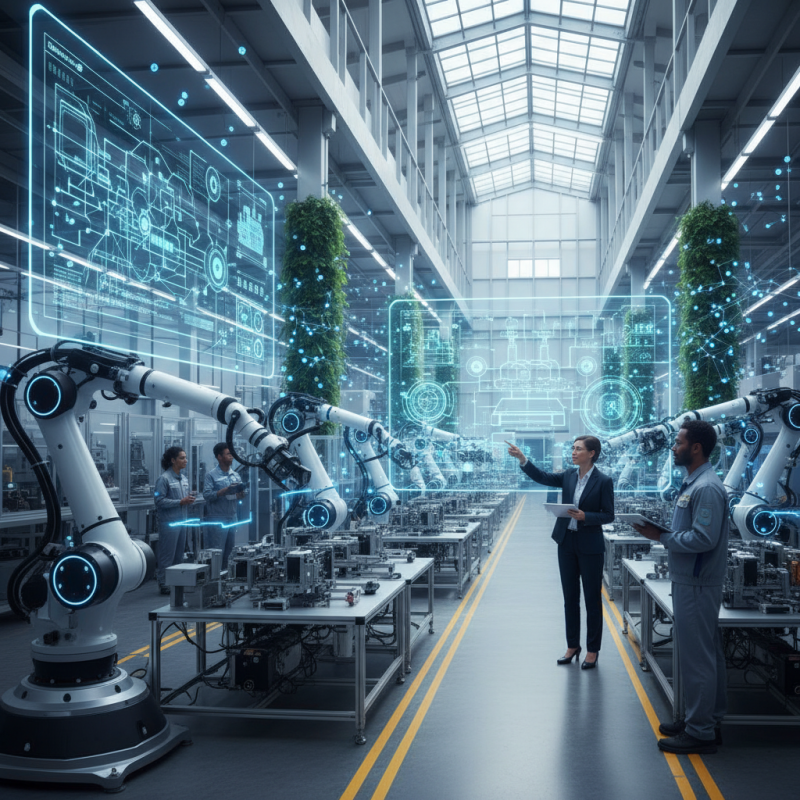
The integration of IoT technologies in smart factories is reshaping manufacturing.
IoT enables real-time data collection and analysis. Machines can communicate, report issues, and optimize processes.
This automation enhances productivity but comes with challenges. Data security concerns are paramount.
Cyberattacks can disrupt operations and lead to significant losses.
In a smart factory, sensors connected to the internet monitor equipment health. They provide insights into maintenance needs and operational efficiency.
Yet, many manufacturers struggle to fully implement IoT systems. Legacy machinery often lacks connectivity features.
Training employees to use new technologies also requires time and resources.
As manufacturers adopt IoT, collaboration becomes crucial.
Teams must work together to address emerging issues. Balancing innovation with security is key.
Continuous evaluation of IoT applications ensures effective and safe operations.
Adapting to these advancements will determine success in the evolving landscape of manufacturing.
Sustainability Practices in Automation: Metrics for Growth in 2026
Sustainability has become a focal point in manufacturing automation. Companies are exploring various metrics to measure their progress. These metrics help assess energy consumption, waste reduction, and resource optimization. By focusing on these areas, firms can improve their efficiency and environmental impact.
Many organizations struggle with implementing sustainable practices effectively. Despite having technology available, the integration process often reveals gaps. For instance, not all automated systems include energy-saving features. Some companies face challenges in aligning their automation goals with sustainability targets. These obstacles highlight the need for continuous reflection and refinement.
The path to sustainable automation is not linear. It requires a blend of innovation and critical assessment. Businesses must challenge their existing protocols and strive for improvement. Evaluating real-time data can guide their sustainability journey. Embracing change is essential, but it demands commitment and a willingness to adapt. Through this approach, firms can pave the way for a greener manufacturing future.
2026 Trends in Manufacturing Automation - Sustainability Practices
This chart represents the projected impact of key sustainability practices on manufacturing automation growth in 2026. The data shows the anticipated percentage increase in efficiency and reduction in waste associated with each practice.
Cybersecurity Challenges in Manufacturing Automation: Industry Response Strategies
As manufacturing automation continues to advance, cybersecurity challenges emerge as a significant concern. The rise of interconnected systems and IoT devices has opened doors for potential vulnerabilities. Hackers target these systems, leading to data breaches and operational disruptions. Yet, many manufacturers underestimate the urgency of strengthening their cybersecurity defenses.
Crafting a solid cybersecurity strategy involves recognizing common threats. Ransomware attacks can cripple operations, demanding hefty ransoms. Furthermore, insider threats from employees pose another risk. Companies must invest in employee training, ensuring workers understand best practices for data protection. Many organizations neglect this aspect, leaving gaps in security.
Collaboration is essential in addressing these challenges. Manufacturers should engage with cybersecurity experts to identify weaknesses. Regular audits can reveal vulnerabilities in existing systems. Yet, many firms overlook periodic assessments, jeopardizing their safety. Employing robust encryption methods is vital. However, too often, companies implement outdated technologies that may not suffice against evolving threats. Focusing on proactive measures can create a safer manufacturing environment.