What Are Automation Distributors and How Do They Work?
Automation distributors connect manufacturers of industrial technology with the companies that need it. They supply products such as sensors, programmable logic controllers, motor drives, safety equipment, and robotic components. Their work often begins with product selection, not simple order processing.
A capable distributor studies a factory’s application, production speed, operating environment, and maintenance requirements. For example, a food-processing plant may need stainless steel sensors that tolerate frequent washdowns. The distributor can compare specifications, confirm compatibility, arrange quotations, and support installation. Many also provide technical training, inventory management, troubleshooting, and replacement parts.
The process is practical, but it is not always straightforward. A distributor may recommend a reliable component, yet the final result can depend on wiring, software settings, or operator training. That detail is easy to overlook. Strong automation distributors therefore verify requirements before promising performance. They use manufacturer documentation, field experience, and tested integration methods to reduce uncertainty.
This article explains how the distribution model works and why it matters to modern manufacturing. It examines the relationship between manufacturers, distributors, system integrators, and end users. It also considers pricing, lead times, technical support, and after-sales service. Readers should expect a balanced view, because distribution is not automatically the best purchasing route. Direct buying may suit large engineering teams, while smaller plants often benefit from local expertise and stocked products. The right choice depends on risk, complexity, urgency, and long-term support. Used carefully, automation distributors can turn a confusing equipment search into a more dependable engineering decision.
Definition and Role of Automation Distributors
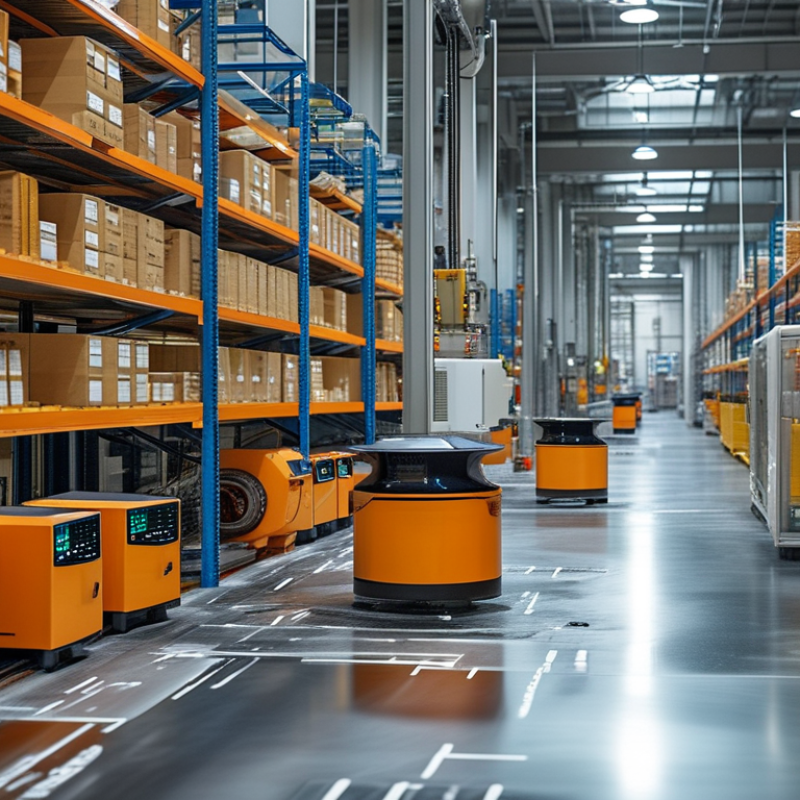
Automation distributors are specialist intermediaries connecting manufacturers, system integrators, and industrial users. They do more than resell equipment. Their role includes product selection, technical consultation, configuration, installation support, and maintenance coordination.
A capable distributor studies a factory’s process before recommending components. For example, an engineer may check cycle time, temperature, signal type, network compatibility, and available cabinet space. This practical review prevents costly mismatches. Distributors also hold local inventory, shorten delivery times, and explain technical documentation in the customer’s language. Training matters too. Operators need clear guidance on setup, troubleshooting, and safe replacement procedures. The work is often invisible.
Industry data shows why this role is expanding. The International Federation of Robotics reported 541,302 industrial robots were installed worldwide in 2023. That scale creates demand for integration, spare parts, programming, and ongoing service. The same report recorded more than 4.28 million industrial robots operating globally, increasing the need for reliable support after installation.
Automation distributors also help customers assess lifecycle costs, not only purchase prices. They may compare energy use, sensor durability, software compatibility, and expected maintenance intervals. However, the model is not flawless. Some distributors prioritize fast sales over process analysis. Technical advice can become too generic when site conditions are ignored. Buyers should request documented specifications, service response times, training details, and realistic performance assumptions before approving a solution. As industrial systems become more connected, distributors must also understand cybersecurity, data handling, and evolving safety requirements. Their value depends on accuracy, accountability, and field experience.
Key Products and Services They Provide
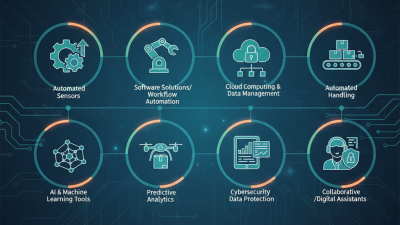
Automation distributors connect manufacturers with practical control and production technologies. Their core products include programmable controllers, industrial sensors, drives, machine-vision equipment, safety devices, robotics, and industrial networking components. These products help machines detect changes, make decisions, and operate with fewer manual steps.
Their services matter just as much. Distributors usually provide product selection, system configuration, technical training, inventory planning, commissioning support, and troubleshooting. Some also integrate control panels or connect production data to monitoring platforms. The International Federation of Robotics reported 541,302 industrial robots were installed worldwide in 2023. That figure shows growing demand for reliable integration, not only hardware sales. The MHI Annual Industry Report 2024 also found that 55% of supply-chain leaders planned to increase technology investment. Still, more equipment does not guarantee better performance.
Tips: Ask for a compatibility check before purchasing. Confirm communication protocols, spare-part availability, and response times. Request a small pilot project. It exposes hidden costs.
A capable distributor studies the application first. For example, a food-processing line may need washdown-rated sensors, guarded motion systems, and quick-clean connections. A warehouse may need scanners, conveyors, and software coordination instead. Experienced specialists should explain trade-offs in plain language. Their advice may still be imperfect. Conditions change, and published specifications cannot replace an on-site test. Buyers should compare energy use, maintenance access, cybersecurity controls, and operator training. Independent reports provide useful benchmarks, but the final choice should reflect actual production risks.
How the Automation Distribution Process Works
Automation distribution starts with application discovery, not a product catalogue. A distributor visits the plant, observes cycle times, safety zones, network limits, and operator routines. The team converts those observations into specifications: payload, reach, sensors, control architecture, spare parts, and commissioning needs. This step is often underestimated. A technically correct component can still fail when heat, dust, or maintenance skills are ignored.
The process then moves through sourcing and validation. Distributors compare approved alternatives, check lead times, reserve stock, and confirm compatibility before releasing an order. They may assemble panels, configure drives, test communications, and document settings. This reduces integration risk for machine builders. The International Federation of Robotics reported 541,302 industrial robots were installed worldwide in 2023. That figure shows the scale of equipment requiring coordinated supply and support. Delivery is only one milestone.
After installation, field technicians commission the system, train operators, and record fault patterns. Service data can guide replenishment and future specifications. Deloitte’s 2024 Smart Manufacturing and Operations Survey found that manufacturers continue investing in connected operations, yet many struggle to scale them. That gap matters. Distributors often connect engineering intent with daily plant reality. Still, the model is not perfect. Forecasts change, substitutions create hidden work, and “standard” configurations rarely fit every site. A careful distributor leaves room for testing, feedback, and revision.
What Are Automation Distributors and How Do They Work?
How the Automation Distribution Process Works
Automation distributors connect manufacturers with industrial users by handling product selection, quotation, inventory coordination, order fulfillment, delivery, and technical support. The chart presents an illustrative planning baseline for the typical elapsed working days associated with each major activity. Actual timing varies according to product complexity, stock availability, customization, delivery distance, and commissioning requirements.
Relationships Among Manufacturers, Distributors, and Customers
What Are Automation Distributors and How Do They Work?
Automation distributors connect manufacturers with customers that need practical, reliable equipment. They do more than move products from one warehouse to another. They interpret technical requirements, compare compatible components, and coordinate delivery, training, and service. This relationship reduces pressure on manufacturers while giving customers faster access to local expertise.
The International Federation of Robotics reported 541,302 industrial robots were installed worldwide in 2023. That scale creates complexity for factories choosing controllers, sensors, drives, and safety systems. Distributors help manufacturers understand regional demand and recurring customer problems. They also provide feedback from factory floors, which can influence product improvements. Customers benefit from application advice before purchasing, not only after failure. However, distributors can sometimes recommend familiar solutions too quickly. That weakness deserves honest review.
Tips: Ask the distributor to explain compatibility, expected service life, and support response times. Request a small pilot when integration risks are unclear. Keep written records of performance, training, and maintenance needs.
Deloitte’s 2023 Global Smart Manufacturing Survey found that 86% of manufacturing leaders expect smart manufacturing to become a major competitiveness driver within five years. Manufacturers therefore need channel partners who understand data, cybersecurity, workforce training, and equipment integration. A strong distributor relationship includes shared forecasts and clear escalation procedures. It also includes technical training for customer teams. The best arrangement is collaborative, but not passive. Each party should measure results through uptime, response time, and total operating cost.