What is Automation Machinery and How Does It Work?
In recent years, automation machinery has transformed manufacturing and production processes. According to a report by McKinsey, nearly 70% of all tasks in various industries could be automated. This shift towards automation enhances efficiency and significantly reduces operational costs. Businesses that adopt automation machinery often see productivity gains of 20-30%, showcasing its impact on competitiveness.
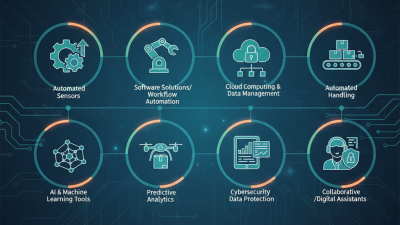
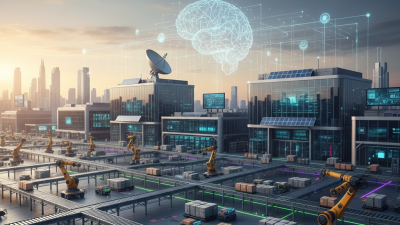
Automation machinery encompasses a range of technologies, including robotics, artificial intelligence, and control systems. These systems work together to streamline operations, improve precision, and minimize human error. The rise of smart factories highlights the importance of integrating automation machinery into modern industry. However, not all implementations are successful. Companies may face challenges such as high initial costs and the need for specialized training.
Despite potential setbacks, the benefits of automation machinery are compelling. It can lead to safer workplaces and higher output quality. As industries evolve, the reliance on automation machinery will likely grow. Continuous adaptation and learning remain essential for businesses to thrive in this dynamic environment.
Definition and Overview of Automation Machinery
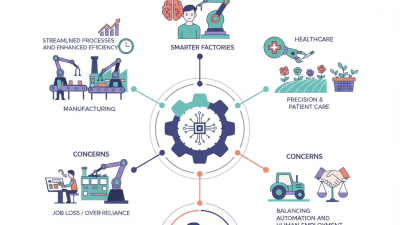
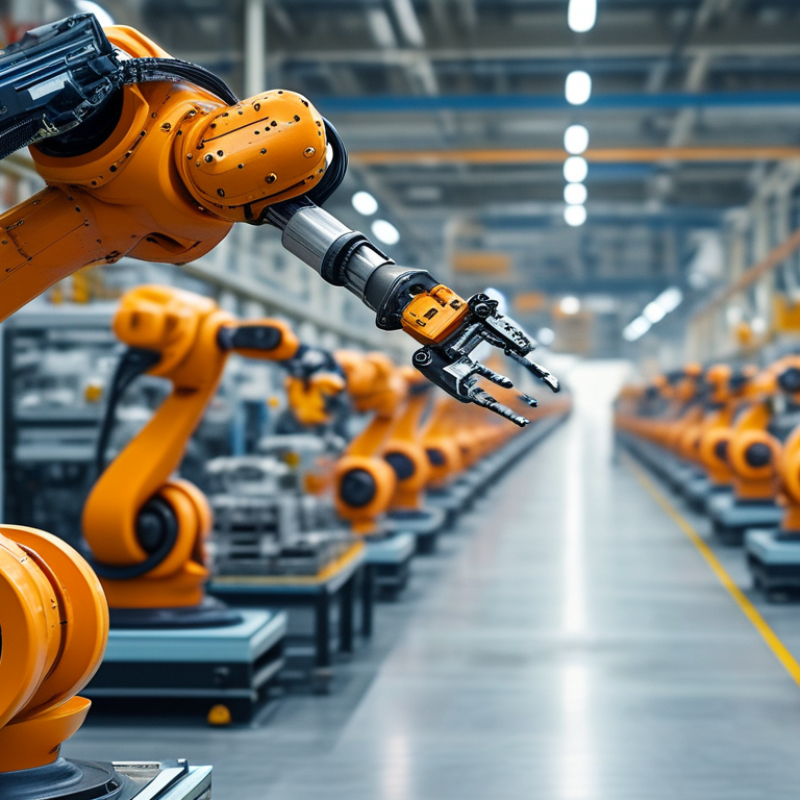
Automation machinery refers to equipment designed to carry out tasks with minimal human intervention. This technology is prevalent in industries such as manufacturing, logistics, and healthcare. Automation improves efficiency, accuracy, and safety in various processes. It eliminates repetitive tasks, allowing human workers to focus on more complex duties.
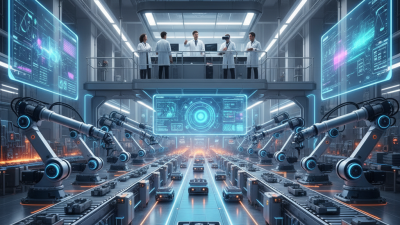
These machines often utilize sensors, control systems, and robotics. They operate through pre-programmed instructions or adaptive learning algorithms. For example, robotic arms can assemble parts on a production line. Conveyors move products seamlessly. However, reliance on automation raises concerns about job displacement. Workers may need retraining for new roles as machines take over specific tasks.
As automation technology evolves, it also faces challenges. Implementing these systems requires significant investment and maintenance. Organizations must carefully consider the impact on their workforce and operational costs. Balancing efficiency with human employment is a complex issue. While automation offers numerous benefits, its integration must be thoughtful and responsible.
Key Components of Automation Machinery and Their Functions
Automation machinery plays a crucial role in various industries. Understanding its key components can help streamline production processes. One vital part is the controller. It acts as the brain of the system, processing inputs and orchestrating actions. Often, controllers use programmable logic to ensure precision and efficiency.
Another essential component is the sensors. These devices gather data, providing real-time feedback on the machine's performance. They detect variations, ensuring that the machinery operates within desired parameters. Inadequate sensor data can lead to errors, making quality control a challenge.
Speaking of sensors, consider calibrating them regularly. Small misalignments can cause significant defects in production. Pay attention to the type of sensors your machinery uses. Each one has unique requirements for optimal functionality. Furthermore, integrate a maintenance schedule. Consistent upkeep can prevent unexpected machine failures and extend the lifespan of the equipment.
How Automation Machinery Operates: The Mechanisms Behind the Process
Automation machinery plays a vital role in modern manufacturing. It streamlines processes, enhances efficiency, and reduces human error. According to a report by McKinsey, automation can increase productivity by 20 to 30 percent in various industries. The key mechanisms behind these systems include robotics, artificial intelligence, and machine learning. These technologies work together to facilitate complex tasks with minimal human intervention.
One important feature of automation machinery is its adaptability. Machines can adjust their operations based on real-time data. For instance, sensors detect production line fluctuations, ensuring that operations remain smooth.
However, this adaptability also raises concerns. In some cases, these systems may not function as intended without human oversight. A study by PwC revealed that 40% of organizations struggled to integrate automation effectively into their existing frameworks.
The operation of automation machinery often involves intricate components like conveyors, actuators, and programmable logic controllers (PLCs). These elements work in concert to execute tasks quickly and precisely. Although the efficiency gains are substantial, organizations must continually assess their automation strategies. Reflecting on the balance between technological and human labor remains essential, as dependence solely on machines can lead to vulnerabilities.
Applications of Automation Machinery Across Various Industries
Automation machinery plays a crucial role in various industries. Its applications span manufacturing, logistics, and even healthcare. According to a report by McKinsey, automation could increase productivity by up to 30% in manufacturing alone. This efficiency allows companies to reduce costs and enhance the quality of their products.
In logistics, automation technologies help streamline operations. Automated sorting systems can process thousands of packages per hour, significantly reducing delivery times. Research from Gartner indicates that by 2025, 50% of warehouses will utilize automation. This shift presents both opportunities and challenges. Not all companies are equipped to adopt these technologies smoothly.
Tip: Investing in training for employees is essential. Automation requires new skills that current workers might lack. Companies should evaluate their workforce readiness before implementing automated solutions.
In healthcare, automation machinery assists with tasks like medication dispensing and patient monitoring. A report by PwC estimates that using robotics in healthcare could save the industry $20 billion annually. However, integrating these systems can face resistance. Many healthcare workers may feel threatened by automation. Organizations need to foster a culture that embraces change and innovation.
Tip: Open communication can ease these concerns. Engage with staff to highlight how automation can support their roles rather than replace them.
Benefits and Challenges of Implementing Automation Machinery
Implementing automation machinery offers numerous benefits, but it also comes with its share of challenges. On the positive side, automation significantly enhances efficiency. Machines can perform repetitive tasks faster and with greater precision than humans. This leads to a reduction in errors and waste. For example, in manufacturing, automated systems can assemble products at a much higher rate. This can drive down costs and increase output.
However, the journey to automation is not without hurdles. Initial investments can be substantial. Many businesses must reassess their budgets to accommodate new equipment and technology. There is also the issue of workforce adaptation. Employees may need retraining to work alongside these machines. Some may even fear job loss. This psychological barrier can affect morale and productivity.
Another challenge lies in maintenance and troubleshooting. Automated systems require ongoing care to operate smoothly. If a machine breaks down, it can halt production, leading to delays. Companies must weigh these risks against potential returns. A strategic approach to implementation can help. Balancing automation with human input is crucial for maximizing benefits while addressing these concerns.
What is Automation Machinery and How Does It Work? - Benefits and Challenges of Implementing Automation Machinery
| Dimension |
Description |
Benefits |
Challenges |
| Efficiency |
Automation machinery enhances productivity by performing tasks faster than human operators. |
Increased output and reduced operational time. |
Initial investment costs can be high. |
| Quality Control |
Highly consistent results, reducing variation in production quality. |
Improved product quality and fewer defects. |
Requires regular maintenance to ensure equipment reliability. |
| Safety |
Automation reduces the risk of accidents in hazardous environments. |
Lower injury rates and improved employee safety. |
Dependence on technology can lead to issues if systems fail. |
| Scalability |
Automation allows for easy scaling of production to meet demand. |
Flexibility in increasing or decreasing production volume. |
Requires careful planning and integration with existing systems. |
| Labor Costs |
Reduces the reliance on manual labor for repetitive tasks. |
Lower labor costs and potential for reallocating human resources to complex tasks. |
Potential job displacement for low-skilled workers. |