What is a Ball End Mill and How is it Used in Machining?
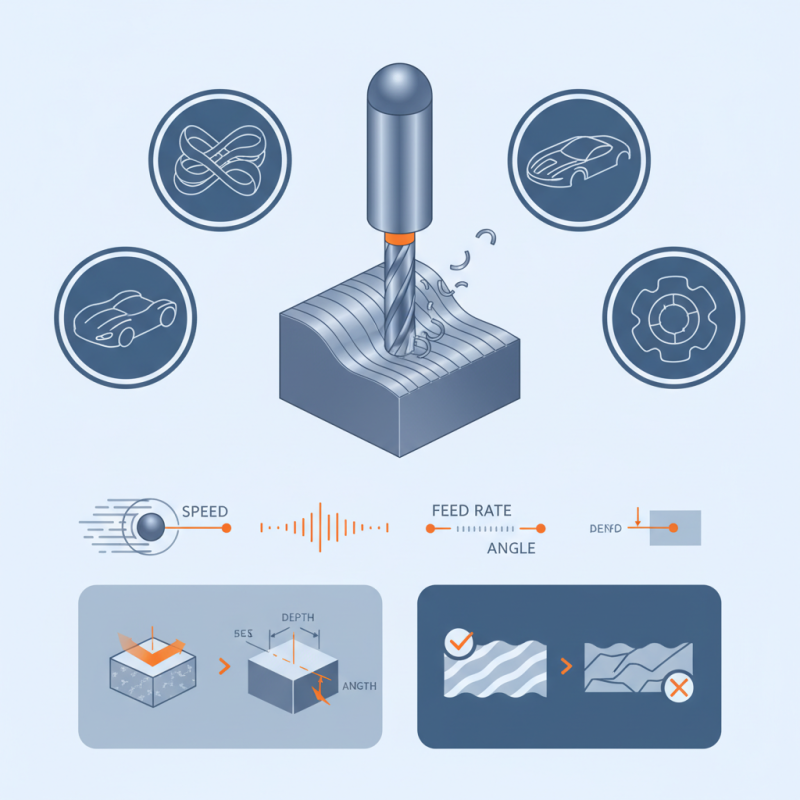
A Ball End Mill is a versatile tool used in machining. It features a rounded tip that allows for complex shapes and contours. Manufacturers rely on it for various applications, including 3D machining, engraving, and finishing work. This tool can create smooth curves and intricate geometries, making it essential in industries such as aerospace and automotive.
Understanding the usage of a Ball End Mill is vital for precision work. It can produce detailed features on a part, but its effectiveness varies based on factors like speed and feed rate. Proper selection and application are crucial; mistakes can lead to poor surface finishes or tool damage.
Many machinists are still learning the nuances of using a Ball End Mill. The correct angle, depth, and movement can be tricky to master. Each cut must be executed with care. Despite being a common tool, achieving the best results may take time and practice.
What is a Ball End Mill?
A ball end mill is a type of milling cutter that has a hemispherical tip. Its design allows for deeper cuts and a smoother finish on surfaces. In machining, it is primarily used for contouring and 3D shape creation. Reports show that these tools are essential in industries like aerospace and automotive, where precision is critical.
The ball end mill can perform complex shapes that flat end mills cannot. It excels in making curves and intricate profiles. Research highlights a growing demand for this tool. The global market for end mills is projected to reach over $2 billion by 2025. However, improper use can lead to tool wear or breakage, raising costs for manufacturers.
When using a ball end mill, selecting the right feed rate is vital. A slow speed may not cut effectively, while too fast can cause damage. Operators must find a balance. Many machinists struggle with this aspect, which can result in suboptimal outcomes. Regular training and careful attention to detail can help overcome challenges in achieving ideal performance with ball end mills.
Design Features of Ball End Mills
Ball end mills are unique tools used in machining for creating complex shapes and contours. Their design features set them apart from standard end mills. The tool's rounded end allows for smooth, flowing shapes in materials like metal and plastic. This design makes them ideal for creating curved surfaces and intricate features.
One key aspect of a ball end mill is its varying ball diameter. Different sizes allow for versatility in machining projects. Larger diameters can rough out material quickly, while smaller ones excel in detail work. However, using the wrong size can lead to flaws. It’s essential to choose the right diameter for the job at hand.
Another important feature is the flute design. Flutes help with chip removal, allowing for efficient cutting. They also affect the tool's rigidity. A stronger flute design can reduce the risk of tool breakage. Yet, it requires careful consideration when selecting the appropriate configuration. Balancing flute count and design with material can be challenging but is crucial for effective machining.
Applications of Ball End Mills in Machining
Ball end mills are essential tools in the machining industry. They excel in creating curved surfaces and intricate designs. These mills are often used for 3D contouring operations. They can produce precise features on various materials like aluminum, steel, and composites. According to a recent industry report, demand for ball end mills has surged by 15% in the last year alone, reflecting their growing importance in manufacturing.
Applications of ball end mills span various sectors. In aerospace, they shape components that require high precision and complex geometries. The automotive industry utilizes them for making molds and dies. However, challenges remain. Tool life can be compromised if not monitored properly. Operators must regularly assess wear and adjust parameters to maintain quality. Poor tool management can lead to costly mistakes.
In the medical field, ball end mills play a crucial role in machining implants. The precision they offer can significantly enhance patient outcomes. Still, the machining process isn't flawless. Variability in material hardness and external factors can affect results. Continuous improvement in techniques and tooling ensures that the benefits of ball end mills are fully realized while addressing their limitations.
Advantages of Using Ball End Mills
Ball end mills are essential tools in machining, especially for creating complex shapes and contours. They have a rounded tip, which allows for smooth and efficient milling of intricate designs. One significant advantage of using ball end mills is their capability to produce a finer surface finish. This is particularly beneficial in applications like mold making, where precision matters.
Another advantage is their versatility. Ball end mills can handle various materials, from metals to plastics. They are ideal for tasks like pocketing and contouring. You can achieve a range of cutting profiles with different diameters. Sometimes, machinists overlook the right size for their project, leading to inefficiencies.
Tips: Always consider the workpiece material. A smaller diameter may be needed for delicate parts. Additionally, slow down the feed rate for better results. Fine-tuning these details can enhance the milling quality significantly. Keep in mind that the right tool angle can also change outcomes. Experimentation often reveals the best combinations for specific tasks.
Best Practices for Ball End Mill Operation
Ball end mills are essential in machining for creating complex shapes. When operating them, several best practices can enhance your results.
Understanding the right feed rate is crucial. A slower feed rate can provide precision but may lead to longer machining times. Alternatively, a faster feed rate can speed up production but may compromise quality. Balancing speed and accuracy is vital.
Tip: Always keep the tool well-lubricated. This helps reduce friction and heat, prolonging tool life.
Another key aspect is proper tool selection. Choosing the right diameter for your project is essential. A smaller diameter allows for tighter curves, while a larger one is beneficial for quicker, broader cuts. Experimenting with different sizes can yield surprising improvements.
Tip: Regularly inspect your tools for wear. Dull tools can cause poor finishes and increase scrap rates. Addressing wear early can save time and resources.
Perfecting ball end mill operation takes practice and reflection. Adjusting your techniques as you learn is part of the process. Don't overlook small details, as they may significantly impact your results.
What is a Ball End Mill and How is it Used in Machining? - Best Practices for Ball End Mill Operation
| Feature | Description | Best Practices |
| Tool Shape | Spherical end used for contouring | Use a proper feed rate for smooth finishes |
| Material Compatibility | Suitable for metals, plastics, and woods | Select appropriate cutter material for the job |
| Application | Ideal for 3D contouring and sculpting | Maintain optimal RPM for each material type |
| Common Sizes | Diameters range from 1/8" to 2" | Choose size based on project specifications |
| Cooling Methods | Flood cooling or mist cooling | Use coolant to prolong tool life |