What to Look for When Buying a Concrete Mixer?
When considering a Concrete Mixer, it's essential to understand your specific needs. The right mixer can make or break your project. A high-quality Concrete Mixer saves time and ensures a smooth mix. However, not all models are created equal. Some may promise efficiency but fall short in performance.
Look for features that enhance usability. A robust motor and durable drum are important. Also, pay attention to the mixer’s capacity. This can affect your workload significantly. A small mixer might not meet the demands of larger jobs. The user experience should also be considered. A design that complicates loading and unloading is not ideal.
Ideally, you should seek recommendations from trusted sources. Reviews can provide insights into reliability and efficiency. A reputable brand typically stands behind its products. Keep in mind that price does not always equate to quality. Investing in a reliable Concrete Mixer can lead to better results. Always take the time to evaluate options carefully.
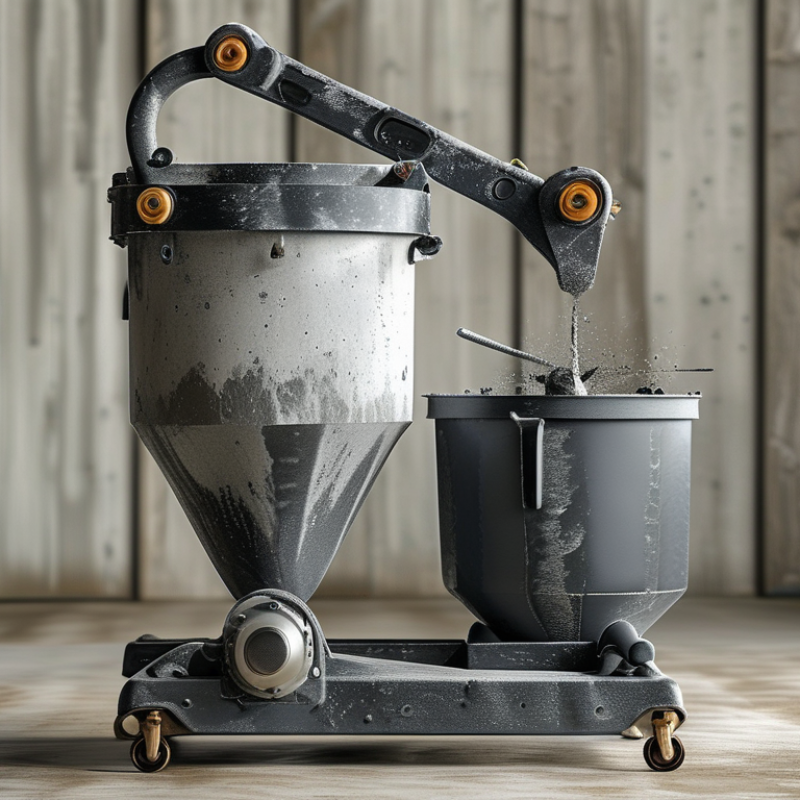
Factors to Consider for Concrete Mixer Capacity and Volume
When buying a concrete mixer, understanding its capacity and volume is crucial. The size of a mixer determines how much concrete it can produce at once. For small projects, a portable mixer might suffice. However, larger jobs require bigger machines, which can deliver higher volumes quickly.
Consider the types of projects you typically undertake. If you frequently work on residential builds, a lower capacity might be adequate. Yet, if you tackle commercial projects, investing in a larger, more powerful mixer would be wise. The right capacity can improve efficiency, but a too-large mixer may lead to wasted resources and higher costs. Reflect on your needs carefully.
It's also essential to examine the mixing speed. A faster mix can save time, especially on larger projects. However, ensure that speed does not compromise the quality of the mix. Consistency is key in concrete work. Evaluate different mixers and think about how their volume aligns with your needs. Mistakes can be expensive, so weigh your options thoroughly before making a choice.
Types of Concrete Mixers: Pros and Cons for Different Applications
When considering types of concrete mixers, understanding their pros and cons is crucial for making the right choice. There are two main categories: batch mixers and continuous mixers. Batch mixers are ideal for small to medium projects. They allow precise control over mix consistency. However, they can be slow, taking time to produce each batch. According to a report from the National Ready Mixed Concrete Association, batch mixers account for around 65% of the market. Their efficiency makes them suitable for residential jobs or smaller commercial projects where flexibility is key.
Conversely, continuous mixers are designed for larger projects requiring high volume. They offer a constant flow of concrete, enhancing productivity. Yet, they come with higher initial costs and may necessitate more skilled operators. A recent study showed that continuous mixers can improve production rates by up to 30% compared to batch systems. Nonetheless, they may not be the best fit for every application. Projects with varying mix designs could struggle with the rigidity of continuous systems.
Choosing the right concrete mixer involves evaluating project size, budget, and mixing needs. Each type has its strengths and weaknesses, making it essential to reflect on specific requirements before making a decision. Careful consideration can lead to more efficient operations, ultimately enhancing project outcomes.
Key Features to Evaluate in Concrete Mixer Design and Build Quality
When considering a concrete mixer, focusing on its design and build quality is crucial. The drum is the heart of the mixer. Look for a well-fitted drum that minimizes leaks. A thicker steel construction promotes durability. Rust resistance is key for long-lasting use.
Evaluate the mixing blades too. These should be robust and create a uniform blend. Ideally, they should be adjustable for various mix types. Consider the mixer’s overall weight. A heavier mixer may offer stability during operation, but it could also be harder to maneuver.
Don't overlook the gear system. A reliable gear system enhances performance. Pay attention to the motor power, as this affects mixing efficiency. A motor that is too weak may struggle with tougher mixes.
Finally, check for user-friendly features, such as easy access for cleaning. While a well-designed mixer meets many needs, be aware that every choice involves some compromise.
Understanding Power Sources: Electric vs. Gas Concrete Mixers
When selecting a concrete mixer, understanding the power source is crucial. Electric and gas mixers are the two main options available. Electric mixers offer convenience. They are easy to use and perfect for smaller projects. If you have access to power outlets, they can run quietly and efficiently. However, reliance on electricity might limit your mobility on job sites.
On the other hand, gas concrete mixers are more versatile in terms of location. You can use them anywhere without needing a power supply. They typically provide higher mixing capacity, making them suitable for larger jobs. Yet, gas mixers require regular maintenance. They produce emissions and can be noisy. Consider your specific needs carefully.
Both choices come with advantages and disadvantages. Electric mixers can overheat if used continuously. Gas mixers may prove unreliable if not maintained well. Think about your workflow when deciding. The decision hinges on your project's requirements and your environment. Prioritize reliability for a smoother mixing experience.
Comparison of Power Sources for Concrete Mixers
This chart compares the average costs of electric and gas concrete mixers, highlighting the typical investment needed for each type. Electric mixers are generally more affordable, while gas mixers may have higher upfront costs but offer benefits in mobility and power.
Maintenance and Longevity: What to Look for in a Mixer Warranty
When considering the purchase of a concrete mixer, warranty details can significantly impact your decision. A reliable warranty offers peace of mind. Look for warranties that cover both parts and labor to protect your investment. Typically, warranties range from one to three years. A longer warranty often indicates a manufacturer’s confidence in their product. However, not all warranties are equal. It’s essential to read the fine print.
Maintenance is crucial for longevity. Understand what maintenance is required over time. Some mixers may require regular oil changes, while others have self-lubricating components. Consider how easy it is to obtain replacement parts. Difficulty in sourcing parts can lead to increased downtime. A good warranty might cover specific maintenance tasks, so ask about this.
Don’t overlook customer reviews concerning warranty claims. Explore online forums or speak with fellow contractors. They often share experiences regarding support and reliability. A warranty is not just paper; it reflects the manufacturer's commitment to quality. Make an informed choice by considering both the warranty and the long-term maintenance needs of your mixer.
What to Look for When Buying a Concrete Mixer? - Maintenance and Longevity: What to Look for in a Mixer Warranty
| Feature | Importance | Common Warranty Length | Tips for Longevity |
| Drum Capacity | Affects workload efficiency | 1-3 years | Regularly check for damage |
| Motor Power | Determines performance capacity | 2-5 years | Ensure proper cooling and avoid overload |
| Build Material | Influences durability and corrosion resistance | Varies by manufacturer | Use protective coatings |
| Portability Features | Eases transport and storage | Limited warranty | Store in a dry place |
| Ease of Maintenance | Reduces downtime and service costs | 1-2 years on parts | Follow manufacturer maintenance guidelines |
| Warranty Coverage | Protects investment and reduces risk | 1-5 years | Review warranty details carefully |