
China’s electric equipment sector includes many experienced manufacturers serving steel, foundry, ferroalloy, and industrial heating projects. This guide introduces China’s top 10 Electric Furnace Transformer manufacturers through practical, engineering-focused criteria. It considers production experience, transformer capacity, voltage range, cooling design, winding materials, protection systems, and after-sales support.
Real performance matters. A transformer may operate beside a furnace for long shifts, facing heat, vibration, harmonics, and frequent load changes. We examine how manufacturers address these conditions through design verification, temperature testing, insulation control, and factory quality procedures. Details such as copper winding construction, oil circulation, bushing quality, and tap-changing performance can influence service life. Testing documents and project references also deserve careful attention.
No ranking is perfect. Market information changes. Some companies publish limited technical data, while others present impressive brochures without enough field evidence. Buyers should verify factory capabilities, certifications, delivery records, maintenance support, and suitability for the intended furnace system. A lower quoted price may hide longer commissioning time or higher operating losses. That risk deserves attention.
The selected manufacturers are presented as potential suppliers, not automatic choices. Each project has different requirements, including furnace capacity, input voltage, short-circuit conditions, installation space, and local grid standards. Reviewing drawings with qualified engineers remains essential. This introduction provides a clear starting point for comparing Chinese manufacturers with greater confidence, while recognizing that reliable decisions require current documents, direct communication, and measurable technical evidence.
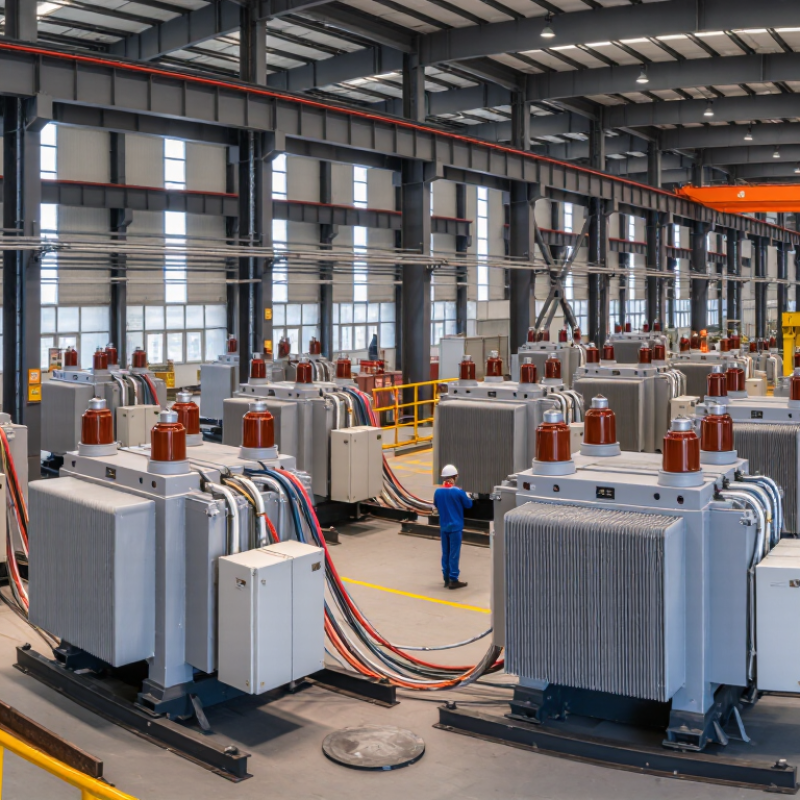
Electric furnace transformers convert high-voltage supply into controlled, high-current power for demanding furnace operations. They commonly serve arc furnaces, ladle furnaces, and resistance heating systems. The transformer must withstand repeated thermal shocks, short-circuit forces, and fluctuating loads. Stable voltage control matters when molten metal temperature changes rapidly. So does fast response.
Engineers usually select the rated capacity, secondary voltage, impedance, and cooling method together. Copper windings need strong insulation and mechanical support. Tap changers help adjust furnace power during different production stages. Oil temperature sensors, winding monitors, and pressure protection improve operational visibility. In practice, poor cable connections can create more trouble than an oversized transformer. Small details matter.
Industrial applications demand different designs. Arc furnaces often require high short-time overload capability and resistance to harmonic stress. Ladle furnaces need precise control during refining and temperature maintenance. Resistance furnaces may prioritize steady output and energy efficiency. During commissioning, technicians should verify protection settings, grounding, oil quality, and cooling performance. A clean test report is useful, but it cannot replace careful observation during the first production cycles. This is where assumptions sometimes fail. A transformer may meet its specification and still perform poorly beside an unstable furnace network. Routine inspection, accurate load records, and realistic maintenance intervals support safer, more reliable operation.

China’s electric furnace transformer manufacturing landscape is broad, technically capable, and highly competitive. Manufacturers serve steel mills, foundries, ferroalloy plants, and renewable-material facilities. Their products commonly support arc furnaces, ladle furnaces, and submerged arc furnaces. Key designs include high-current secondary systems, adjustable voltage control, and oil-immersed cooling structures. These details affect melting stability, energy use, and maintenance intervals.
The strongest manufacturers usually combine engineering teams with nearby component suppliers. This shortens production cycles and supports customized ratings, impedance levels, and installation conditions. Factory inspection should cover winding quality, insulation strength, temperature rise, noise, and load performance. Independent testing records add credibility. However, the market is not perfectly uniform. Documentation quality differs between suppliers, and delivery promises may appear stronger than factory capacity. A low quotation can hide costly commissioning problems.
Tips: Ask for recent test reports, reference projects, spare-parts plans, and clear warranty terms. Check whether the transformer matches the furnace’s operating curve, not only its nameplate capacity. Visit the production site when possible. Observe coil assembly, oil processing, and final testing. Small details matter. Even experienced buyers can overlook site humidity, harmonic stress, or limited maintenance access. A careful technical comparison is more reliable than a simple ranking.
| Rank | Anonymous Manufacturer Profile | Typical Furnace Transformer Capacity | Typical Voltage Class | Core Product Configuration | Cooling and Regulation | Common Technical Standards | Primary Application Areas |
|---|---|---|---|---|---|---|---|
| 1 | Profile A | 10–80 MVA | 6–35 kV primary side | Three-phase oil-immersed electric furnace transformer with reinforced short-circuit resistance | ONAN, ONAF, and on-load tap changer options | IEC 60076 series; GB/T 1094 series | Electric arc furnaces, ladle furnaces, and steelmaking plants |
| 2 | Profile B | 8–60 MVA | 10–35 kV primary side | Low-loss furnace transformer with high-current secondary bushings | ONAN/ONAF; mechanical or motorized tap regulation | IEC 60076-1; IEC 60076-5; GB/T 1094.5 | Mini-mills, alloy production, and recycled-steel melting |
| 3 | Profile C | 15–120 MVA | 35–110 kV primary side | Large-capacity furnace transformer with high mechanical-strength winding structure | ONAF or OFAF; on-load tap changer available | IEC 60076 series; GB/T 6451; applicable grid codes | Large electric arc furnaces and integrated iron-and-steel complexes |
| 4 | Profile D | 5–40 MVA | 6–35 kV primary side | Compact furnace transformer designed for frequent load variation | ONAN or ONAF; off-circuit or on-load tap changer | IEC 60076-2; IEC 60076-3; GB/T 1094.2 | Foundries, copper melting, aluminum recycling, and nonferrous metallurgy |
| 5 | Profile E | 12–100 MVA | 10–66 kV primary side | Furnace transformer with separated regulating and main windings | ONAF/OFAF; automatic voltage regulation systems | IEC 60076-7; GB/T 1094.7; utility connection requirements | Steel refining, ferroalloy furnaces, and submerged arc furnaces |
| 6 | Profile F | 3–25 MVA | 6–20 kV primary side | Oil-immersed transformer for medium-sized industrial furnace installations | ONAN; manual or motorized off-circuit tap changer | IEC 60076-1; GB/T 1094.1; GB/T 1094.3 | Industrial heat treatment, foundry operations, and laboratory-scale production |
| 7 | Profile G | 20–150 MVA | 35–110 kV primary side | Heavy-duty transformer engineered for high fault-current exposure | ONAF/OFAF; online monitoring and on-load tap changer | IEC 60076-5; IEC 60076-10; GB/T 1094.5 | High-power electric arc furnaces and continuous steel production |
| 8 | Profile H | 6–50 MVA | 10–35 kV primary side | Energy-efficient transformer using low-loss electrical steel and optimized magnetic flux density | ONAN/ONAF; temperature monitoring and alarm protection | IEC 60076-1; IEC 60076-2; local energy-efficiency requirements | Green steel projects, scrap processing, and energy-conscious melting facilities |
| 9 | Profile I | 10–70 MVA | 6–66 kV primary side | Custom-engineered transformer with high-current secondary outlet arrangement | ONAN, ONAF, or OFAF; customized regulation range | IEC 60076 series; GB/T 1094 series; project specifications | Submerged arc furnaces, silicon production, and carbide manufacturing |
| 10 | Profile J | 2–15 MVA | 6–20 kV primary side | Standardized distribution-furnace transformer for low-to-medium power demand | ONAN; off-circuit tap changer | IEC 60076-1; GB/T 1094.1; GB/T 1094.3 | Small steel mills, casting plants, repair facilities, and specialty-metal production |
Selecting China’s top ten electric furnace transformer manufacturers requires more than comparing catalog prices. A practical review starts with engineering depth. Auditors should examine transformer ratings, voltage regulation, impedance control, cooling design, and short-circuit strength. Factory visits can reveal details that brochures often hide, such as winding cleanliness, copper joint quality, and the accuracy of assembly tools. Real evidence matters.
Reliable manufacturers should provide traceable material certificates and documented factory tests. These tests may include insulation resistance, applied voltage, temperature rise, no-load loss, load loss, and partial discharge. Check whether test instruments are calibrated. Check the records, not just the certificates. Experience with steel, aluminum, ferroalloy, and other electric furnace loads is also valuable. Each application creates different harmonics, thermal stress, and operating cycles.
The selection should also measure delivery discipline and after-sales support. Review production capacity, spare-parts access, installation guidance, and response times during commissioning. Ask for references from comparable furnace projects, while protecting confidential customer information. A strong manufacturer can explain design choices in plain language and adjust protection settings to local conditions. However, rankings are never perfectly objective. Some performance data may be incomplete, and one successful project does not prove universal reliability. A careful buyer should score technical capability, quality control, safety practice, lifecycle cost, and communication separately. Price should remain a factor, but not the deciding one. Thin margins can become expensive downtime.
China’s Top 10 Electric Furnace Transformer Manufacturers should be evaluated through verified engineering performance, not marketing claims.
China Electricity Council reported national electricity consumption of about 9.42 trillion kWh in 2024, rising 6.8% year on year. This growth increases pressure on steel, foundry, and metal-processing plants to secure stable high-current power.
A practical ranking should examine transformer capacity, short-circuit impedance, cooling design, harmonic tolerance, and maintenance response. Factory experience matters. Engineers should inspect winding insulation, bushing quality, oil-sealing details, and factory test records before approval.
The International Energy Agency also identifies industrial electrification as a major driver of future electricity demand. For furnace users, this makes thermal performance and load stability more important than a low purchase price.
The best manufacturers in China normally provide tailored designs for arc furnaces, ladle furnaces, and induction systems. Their documentation should include temperature-rise results, loss measurements, partial-discharge data, and service references.
Check the details. A transformer may pass routine testing yet perform poorly under repeated furnace shocks. That risk is often underestimated.
Regional service coverage, spare-part availability, and installation supervision deserve equal attention. A ranking can still be imperfect, because public data rarely reveals long-term failure rates.
Therefore, buyers should combine industry reports, audited certificates, plant visits, and operating feedback before selecting from the Top 10 Electric Furnace Transformer Manufacturers in China.
When comparing China’s top ten electric furnace transformer manufacturers, performance should mean stable output under harsh furnace cycles, not only a high nameplate rating. The China Electricity Council reported China’s electricity consumption reached about 9.85 trillion kWh in 2024, rising 6.8% year on year. This growth increases pressure on transformer efficiency and cooling systems. Buyers should examine short-circuit impedance, temperature-rise test results, harmonic tolerance, and energy losses at partial load. IEC 60076 testing provides a useful technical baseline, but factory data still needs independent verification.
Safety deserves equal weight. Electric furnaces create rapid current changes, thermal stress, and possible insulation deterioration. A serious comparison should review pressure-relief devices, oil or gas monitoring, fire separation, grounding design, and emergency shutdown logic. The International Energy Agency’s Electricity 2024 report expects global electricity demand to grow strongly through 2026, making equipment reliability more valuable than the lowest purchase price. Site acceptance testing should include noise, vibration, leakage, protection coordination, and repeated load changes.
After-sales service often separates an acceptable supplier from a dependable one. Ask for local engineers, spare-part response times, remote diagnostics, and written warranty limits. A useful benchmark is a documented response within 24 hours and a repair plan within 72 hours, although actual conditions vary by location. Some impressive quotations still hide unclear exclusions. I would also request customer references from comparable furnace projects. One weakness remains: public performance data is rarely standardized across manufacturers, so rankings can become subjective without audited field records.
© 2025 Tri-Phase | Privacy Policy | Purchase Terms & Conditions | Terms & Conditions