Why Choose the Right Tapping Tool for Your Project?
Choosing the right Tapping Tool is crucial for the success of any project. A suitable tapping tool can enhance precision and efficiency. It can make or break the quality of your work. Imagine the frustration of using a tool that isn’t compatible with your materials. The wrong choice can lead to damaged components and wasted time.
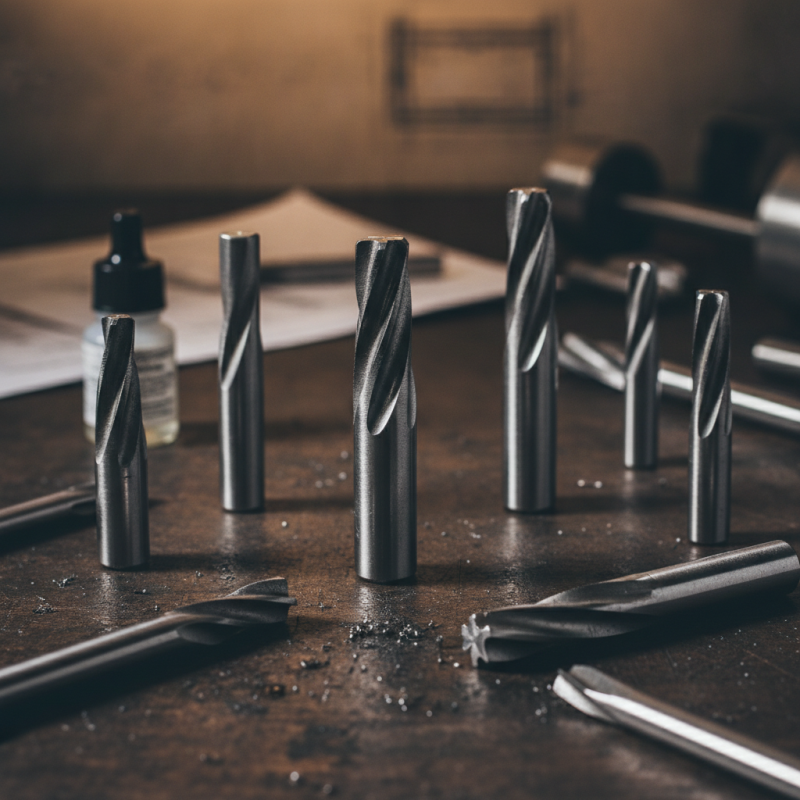
Understanding the various tapping tools available is essential. Different projects require different types. For example, a spiral flute tap might work best for softer materials, while a straight flute tap is ideal for harder metals. Being aware of the right tool not only improves the outcome but also reinforces your reputation for quality.
Finding the perfect tapping tool may feel overwhelming. Each option has its own pros and cons. What works for one project may not suit another. It’s a journey of trial and error. Professionals need to consider these factors carefully. Reflecting on past experiences can guide better tool selections in future projects. This thoughtful process is what sets apart an amateur from an expert craftsman.
Understanding the Importance of Tool Selection in Tapping Applications
Selecting the right tapping tool is crucial for achieving optimal results in any project. Tool selection significantly impacts efficiency and the quality of the final product. According to industry reports, improper tool choice can lead to a 30% increase in operational costs due to wasted materials and time. A well-selected tapping tool minimizes the risk of breakage and damage, ensuring a smoother process.
Tip: Always match the tapping tool's material to the type of material being processed. For instance, using high-speed steel (HSS) taps is ideal for softer metals. This will enhance cutting performance and tool durability. Furthermore, consider the thread type carefully, as mismatched threads can lead to significant issues in assembly.
Another important aspect is the tool's coating. Tools with titanium nitride (TiN) coatings show a 40% increase in tool life and reduced friction during use. This can make a notable difference in high-volume production scenarios. Misconceptions about using generic tools in specialized applications should be reconsidered. Quality tools tailored to specific tasks provide reliability that generic tools cannot offer.
Tip: Always inspect tools regularly. Ensure there are no signs of wear before starting a new project. Keeping track of tool performance will lead to better decision-making in future selections. Be mindful of tool selection and its implications on your overall workflow and final output.
Key Factors to Consider When Choosing Tapping Tools for Your Project
When selecting tapping tools for your project, several key factors are critical. The material of the tool should match the material being tapped. For instance, using high-speed steel (HSS) tools will work well for softer metals. However, for harder materials like stainless steel, consider carbide-tipped tools. The right choice will prevent tool wear and enhance precision.
Tip: Always assess the coating on the taps. Coated taps can reduce friction and improve tool life. Look for options with titanium nitride (TiN) or black oxide coatings for added durability.
Another factor to evaluate is the type of thread required for your project. Different threads have unique tolerances and applications. Beware that using the wrong thread type can lead to misalignment and failures in your assembly. Understanding the specific needs for your project’s threads will save you time and effort in the long run.
Tip: Carry extra taps for emergency use. They can wear out unexpectedly, especially with demanding projects. Having spares ensures you won’t pause production for replacements.
Choosing the right tapping tool can significantly impact the success of your project. Consider all the elements before making your final decision.
Why Choose the Right Tapping Tool for Your Project? - Key Factors to Consider When Choosing Tapping Tools for Your Project
| Feature | Details | Importance |
| Material Compatibility | Ensure the tapping tool matches the workpiece material (e.g., aluminum, steel). | High |
| Tap Type | Choose between hand taps, machine taps, or spiral taps according to project needs. | High |
| Size and Thread Pitch | Select appropriate tap size and thread pitch for precise dimensions. | Critical |
| Coating | Consider coatings that reduce friction and enhance durability (e.g., TiN, TiAlN). | Medium |
| Flute Design | Select taps with the appropriate flute design for chip removal and cutting efficiency. | Medium |
| Cutting Speed | Determine the optimal cutting speed based on the tool and material. | High |
| Lubrication | Use appropriate lubricants to improve tap life and performance. | High |
Industry Standards: Material and Size Specifications for Tapping Tools
When choosing tapping tools for a project, material and size specifications are critical. Different materials, like high-speed steel and carbide, serve different purposes. High-speed steel is versatile and durable, suitable for general applications. Carbide, on the other hand, excels in harder materials and offers a longer lifespan. Selecting the right material can significantly influence the quality of the final product.
Size specifications are equally crucial. Taps come in various sizes, with threads ranging from coarse to fine. The right size ensures a proper fit in your application, reducing the risk of stripping or misalignment. Tools should match the specific requirements of the material you are working with. Inadequate sizing can lead to wasted time and resources.
However, not all projects have clear guidelines. You might find yourself unsure of which specifications to follow. Experimenting with different tools may yield surprising results. Understanding industry standards is essential, yet flexibility can often lead to innovation. The balance between adhering to standards and being open to new ideas is where creativity meets technical expertise.
The Impact of Tool Quality on Project Efficiency and Cost-Effectiveness
Choosing the right tapping tool can significantly influence project efficiency and cost-effectiveness. According to the National Tooling and Machining Association, subpar tools may cause a 30% increase in production time. This inefficiency arises from damaged parts and extended labor hours. Conversely, high-quality taps can reduce rework, leading to savings in both time and money.
When selecting a tapping tool, consider not just the material but also the design. Tools designed for specific tasks often perform better. Research from Engineering Tooling Systems shows that using the right tool can decrease tool wear by up to 45%. This means fewer replacements and lower overall costs.
Tips: Regularly assess your tool usage. This can reveal if an upgrade is needed.
Investing in quality tapping tools is an investment in your project’s success. However, it’s essential to evaluate the long-term benefits against initial costs. Remember, cheaper tools may lead to hidden expenses down the line.
Tips: Consider training staff on proper tool usage. Effective techniques can extend tool life.
Comparative Analysis of Tapping Tool Types and Their Optimal Uses
Choosing the right tapping tool enhances the success of any project. Different types of tapping tools serve various purposes. For example, spiral point taps are ideal for through holes, while spiral flute taps excel in blind holes. A study conducted by the National Institute of Standards and Technology (NIST) indicates that using the correct tap can improve efficiency by up to 30%.
Understanding the material being tapped is crucial. For softer materials like aluminum, a high-speed steel tap can yield a smooth finish. However, for harder materials such as stainless steel, cobalt taps are often recommended. The right tool reduces wear and tear, prolonging tool life and saving costs. Yet, factors like heat and lubrication can impact performance.
Machinists should consider their specific needs. Some tools may feel easier to use, but their effectiveness may vary. Real-world results often highlight this inconsistency. A poorly chosen tool can lead to thread damage or tool breakage. Adjusting technique and selecting the right tool is key to achieving the best results. Balancing comfort with functionality is essential in decision-making.