How to Choose the Best Welding Cutting Machine for Your Needs?
Selecting the right Welding Cutting Machine is crucial for efficiency and quality in metalworking. According to a report by Grand View Research, the global welding equipment market is projected to reach USD 29.6 billion by 2025. This growth highlights the importance of choosing the right tools to meet specific needs. A well-selected machine can enhance productivity and ensure high precision in cutting tasks.
Not all welding cutting machines are created equal. Factors such as power output, portability, and ease of use matter significantly. In addition, the right machine can reduce operational costs. However, many users often overlook maintenance and support options that can impact the machine's longevity and effectiveness.
Understanding the limitations of various models is also vital. While some machines excel in certain applications, they may not perform well in others. Users should thoroughly assess their project requirements before making a final decision. This approach not only ensures efficiency but also maximizes return on investment in the long run.
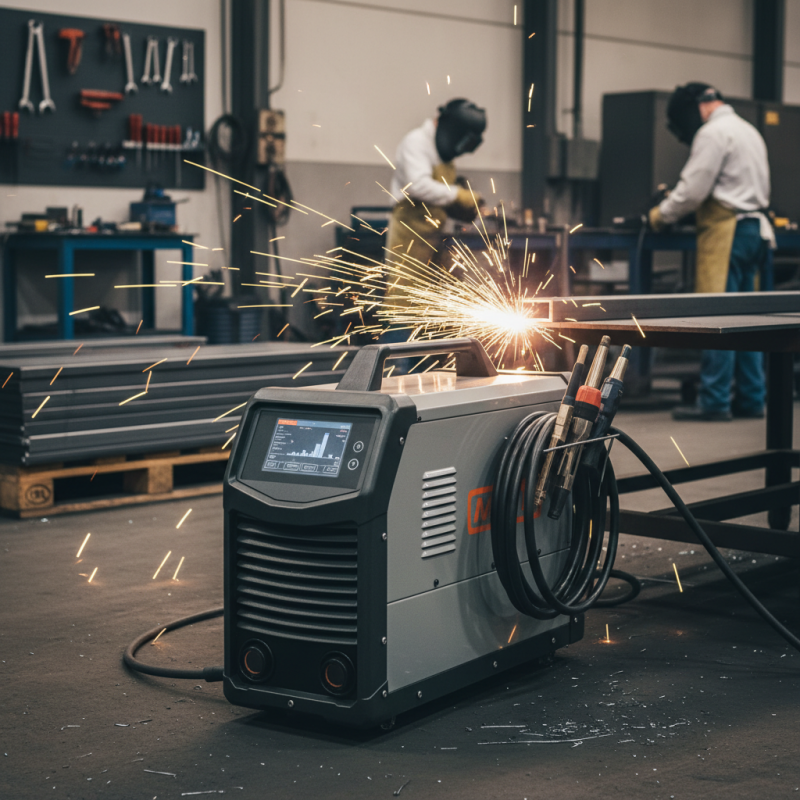
Understanding Different Types of Welding Cutting Machines
When selecting a welding cutting machine, understanding the various types is vital. Plasma cutters, for example, use ionized gas to slice through metals. They are versatile and can handle different thicknesses. These machines excel in speed and precision. However, they may not be suitable for thicker materials.
Oxy-fuel cutting machines offer a different approach. They burn a fuel gas, often acetylene, mixed with oxygen. This method is ideal for thicker materials, but it may produce less precise cuts than plasma options. Users often notice the difference in finish quality. Each type has its unique benefits and limitations.
Additionally, laser cutting machines are gaining popularity. They provide high accuracy and clean edges. However, they can be more expensive and complex to operate. It's crucial to assess your specific cutting needs and budget constraints. Reflecting on these details will ensure a more informed decision when choosing the right machine.
Identifying Your Specific Welding and Cutting Needs
When selecting a welding cutting machine, understanding your specific needs is crucial. Consider the materials you will work with. Different metals require different settings. For instance, steel and aluminum demand distinct techniques and power levels. Assess the thickness of the materials too. Thicker materials will need machines that can deliver higher amperage or extended cutting time.
Evaluate the frequency of your projects. If you're a hobbyist, a portable, lightweight machine may suffice. For professionals, investing in heavier-duty machines makes sense, as they offer better performance and durability. Also, consider the environment where you'll be working. A machine suitable for outdoor use should withstand varying conditions.
Reflect on your skill level. Beginners may find complex machines challenging. Simple, user-friendly options should be prioritized. However, don’t shy away from advanced features if you plan to upgrade your skills. Your long-term goals matter. Whether you’re aiming for precision in artistic work or strength in industrial applications, your unique needs dictate the best choice. Balancing your current requirements with future aspirations can lead to wise purchasing decisions.
Key Features to Consider in Welding Cutting Machines
Choosing the right welding cutting machine can be daunting. Key features play a significant role in making this decision. Firstly, consider the power source. Machines typically run on electricity, gas, or a combination. According to industry reports, electric-powered machines account for over 60% of the market. They are known for their efficiency and lower operational costs.
Another essential feature is the cutting thickness capacity. Machines that cut thicker materials often require advanced technology. A recent study revealed that machines capable of cutting through 1-inch thick steel are in high demand. This reflects the needs of industries like construction and automotive.
Portability is crucial, especially for onsite projects. Lightweight machines enhance mobility without sacrificing power. The average weight of portable units is around 40-60 pounds. Users must also assess the ease of use. Some models come with sophisticated controls, which can be a barrier for beginners. Clear instructions and training resources are vital for optimal performance. Always remember that your specific requirements will dictate the best fit.
Budget Considerations for Purchasing a Welding Cutting Machine
When considering a welding cutting machine, budget plays a crucial role. The range of prices is vast. Some machines may seem affordable at first glance but lack the necessary features. It’s essential to identify your actual needs. Think about the types of materials you will be cutting. A basic model may suffice for simple tasks. Yet, more complex projects might require advanced technology.
Don’t overlook additional costs. Maintenance fees can add up over time. Consumables, such as cutting tips and abrasives, will also influence your budget. It’s important to evaluate the long-term expenses associated with the machine. This approach prevents overspending later. Consider starting with a modest investment. As your skills and needs grow, you might opt for a more advanced model later.
Remember that the cheapest option isn't always the most reliable. Quality can significantly impact performance. A poor-quality machine might lead to costly mistakes. Do thorough research before making a decision. Look for user reviews and expert opinions to ensure you’re making an informed choice. Balancing budget constraints with the requirements of your projects will lead to better outcomes.
How to Choose the Best Welding Cutting Machine for Your Needs? - Budget Considerations for Purchasing a Welding Cutting Machine
| Feature | Budget Range | Typical Price | Recommended Usage |
| Cutting Capacity | $500 - $1500 | $800 | Light to medium steel cutting |
| Portability | $300 - $800 | $600 | Fieldwork and repairs |
| Power Source | $400 - $1200 | $900 | Various applications |
| Versatility | $600 - $2000 | $1500 | Multiple material types |
| Safety Features | $200 - $1000 | $500 | General use |
Maintenance and Support for Welding Cutting Equipment
When choosing a welding cutting machine, maintenance is key to its longevity. Regular upkeep can prevent breakdowns and improve performance. Always refer to the manufacturer’s manual for specific guidelines. Proper cleaning after each use is essential. Debris buildup can affect efficiency.
Tips: Schedule routine inspections. Check for wear and tear monthly. This helps identify issues early. Remember, it’s better to fix a minor problem than face an expensive repair later.
Another important aspect is support. Investing in machines with strong customer service can make a difference. Access to expertise helps troubleshoot issues effectively. Training for staff on maintenance procedures can also boost performance. Equip your team with the knowledge they need.
Tips: Keep contact information for support readily available. Online resources can be a game changer. Regularly update your team on best practices and any changes in procedure. This will help ensure everyone is on the same page.