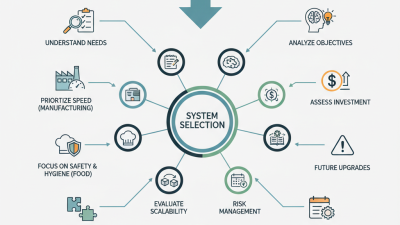
How to Choose the Right Automation Systems for Your Business?
Choosing the right automation systems for your business is crucial. With the rapid advancements in technology, many options are available. These systems can streamline processes and enhance productivity. However, selecting the best fit requires careful consideration.
Every business is unique. Understanding your needs is vital. Consider factors such as budget, scalability, and integration. Research various automation systems that cater to your industry. Some systems excel in specific tasks while others provide broader solutions. It’s important to weigh the pros and cons of each option.
Don’t rush the decision. Inadequate research might lead to poor choices. Analyze case studies and customer feedback. Ask for demos and trial periods. The right automation system can transform your operations, but the wrong one might hinder growth. Balancing these elements ensures you make an informed choice.
Understanding Business Needs for Automation Solutions
When considering automation solutions, understanding your business needs is crucial. Start by evaluating your processes. Identify repetitive tasks that consume time and resources. Ask your team for insights. They can pinpoint areas needing improvement. Automation should streamline operations, not add complexity.
Tips: Focus on tasks that require consistency. Look for processes that can benefit from speed. Prioritize areas where human error is frequent.
Next, consider your long-term goals. What are your growth plans? Will the automation scale with your business? A solution should adapt, not restrict you. Take a step back and assess potential drawbacks. Sometimes, over-automation makes things rigid.
Tips: Test solutions with a smaller team first. Gather feedback actively. This allows for adjustments without overwhelming the entire organization.
Remember, effective automation enhances productivity. But, it needs to fit your unique workflow. Regularly review your automation tools. Are they still serving your needs? Assess and evolve your strategy continuously.
Evaluating Different Types of Automation Systems Available
When evaluating different types of automation systems for your business, consider your specific needs. Start by identifying which processes you want to automate. This could include accounting, customer service, or inventory management. Each type of automation system serves a different function and offers unique benefits.
Tips: Create a list of features you need. This will help narrow down your options. Also, think about scalability. Choose systems that can grow with your business. Regularly reassess your needs as things change.
Look at user reviews and case studies. This provides insight into how systems perform in real-world applications. Don't ignore the learning curve; some systems may require substantial training for staff.
Tips: Ask others in your industry about their experiences. Networking can lead to valuable insights that you might overlook otherwise. Remember, one option may not fit all. Be open to experimenting with different systems until you find the right match.
Assessing Integration Compatibility with Existing Processes
When choosing automation systems, integration compatibility is crucial. Assessing how new tools will blend with current processes is key to success. Start by mapping out existing workflows. Identify bottlenecks and areas that could benefit from automation. This step reveals what functions your new system must support.
Consider technical specifications of potential automation solutions. They should align with your current software and hardware architecture. Data formats and communication protocols need to match. Evaluate whether your team has the expertise to implement new systems. If not, training may be required. These considerations can add complexity and cost.
It’s also important to test compatibility in a real-world scenario. Conduct pilot projects to uncover potential issues. Learn from these experiences; reflect on what worked and what didn’t. This iterative approach helps in making informed decisions and ensures that the integration is smooth.
How to Choose the Right Automation Systems for Your Business? - Assessing Integration Compatibility with Existing Processes
| Automation System |
Integration Capability |
Ease of Use |
Cost |
Scalability |
| System A |
API Integration available |
User-friendly interface |
$5,000 |
Highly scalable |
| System B |
Limited Integration |
Moderate learning curve |
$3,500 |
Moderately scalable |
| System C |
Seamless integration |
Intuitive dashboard |
$7,500 |
Very scalable |
| System D |
Custom API options |
Customizable interface |
$10,000 |
Flexible scalability |
Calculating Costs and Returns on Investment for Automation
When considering automation systems, calculating costs and returns on investment (ROI) is crucial. A report by McKinsey suggests that automation can reduce operational costs by up to 30%. This substantial cost saving can dramatically improve a business’s bottom line. However, the upfront investment in automation technology often raises concerns. It's important to evaluate both tangible and intangible benefits.
One key factor is labor savings. Businesses can often reduce staffing needs by 15% to 25% after automation implementation. Yet, aligning technology with workforce needs is critical. Employees should be trained to work alongside automated systems. According to a Deloitte study, effective training can lead to a 20% increase in productivity post-automation. Investing in employee development can yield significant returns, but it requires budget planning.
Moreover, measuring the impact of automation on customer satisfaction can be complex. Some companies report mixed results. While efficiency improves, quality of service might decline if not managed properly. It is essential to balance technology with human oversight. An overly automated process could lead to customer frustration and lost sales. Reflecting on these factors ensures that businesses make informed decisions about their automation investments.
Considering Scalability and Future Growth of Automation Systems
When selecting automation systems, scalability should be a primary consideration. According to a report by McKinsey, 70% of businesses cite the need for systems that can grow with them. This indicates a clear trend: companies prefer solutions that won't become obsolete as they expand. For small businesses, investing in scalable technology minimizes future upgrade costs.
Empirical data suggests that 50% of businesses fail to provide the necessary infrastructure to support growth. Failing to plan for scalability can lead to significant operational bottlenecks. For instance, a company may automate its processes, only to outgrow its current system in just a few years. This often results in unexpected expenses and lost productivity due to system transitions.
Moreover, the potential for future growth isn't just about current needs. A report from Deloitte highlights that over 60% of companies actively seek technologies that adapt to changing demands. This adaptability ensures that firms remain competitive in rapidly evolving markets. Focusing on scalability allows businesses to align their automation strategies with long-term goals while avoiding disruptive shifts down the line.
Automation Systems Adoption in Businesses (2023)