10 Essential Tips for Enhancing Electric Automation Efficiency
Electric automation is transforming industries at a rapid pace. Experts in the field emphasize the importance of optimizing efficiency. Renowned electric automation specialist, Dr. Julia Wang, once stated, "Efficiency is the heartbeat of innovation in electric automation." Her insight underlines a critical focus for companies looking to thrive.
Improving electric automation efficiency is not just beneficial; it is essential. Companies often overlook small details that can dramatically impact performance. Challenges in complexity and integration often arise. This can lead to inefficiencies that drain resources and time.
Embracing ten essential tips can help streamline processes. These tips range from adopting advanced technologies to prioritizing employee training. The goal is to create a more agile and effective electric automation system. Reflecting on existing methods can unveil opportunities for improvement, ensuring that organizations remain competitive and innovative.
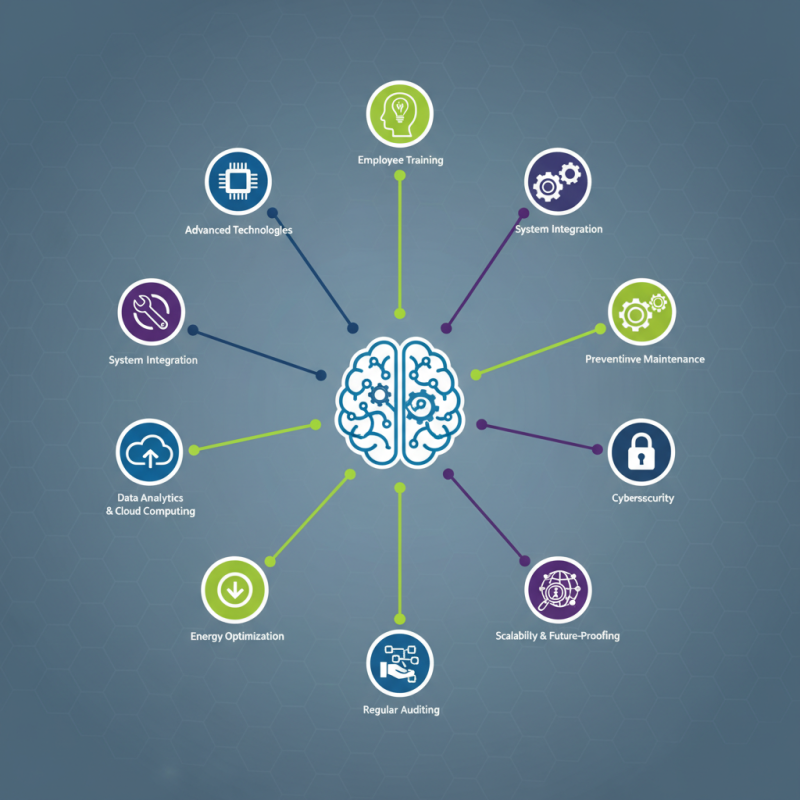
Understanding Electric Automation: Key Components and Their Roles
Electric automation is vital in modern industries. It improves productivity and reduces human error. Understanding its key components helps maximize efficiency.
Motors and sensors play crucial roles. Motors convert electrical energy into mechanical power. Sensors gather real-time data, ensuring optimal operation. Controllers process this data, making rapid adjustments. Communication systems facilitate seamless information exchange between devices. Each part contributes significantly to overall performance.
However, challenges exist. Variability in component quality can lead to inconsistencies. Not every setup maximizes potential. Regular reviews of systems and processes are essential. Identifying inefficiencies fosters improvement. In the quest for better automation, reflection and adaptation are necessary.
10 Essential Tips for Enhancing Electric Automation Efficiency
| Tip Number |
Tip |
Key Component |
Role |
| 1 |
Optimize Power Supply |
Transformers |
Provide stable voltage and current |
| 2 |
Regular Maintenance |
Control Systems |
Ensure reliable operation |
| 3 |
Use Advanced Sensors |
Feedback Sensors |
Enhance data accuracy for adjustments |
| 4 |
Implement Process Automation |
PLC Systems |
Streamline operations |
| 5 |
Enhance Communication Protocols |
Communication Interfaces |
Ensure seamless data transfer |
| 6 |
Utilize Data Analytics |
Data Analytics Tools |
Identify inefficiencies |
| 7 |
Train Staff Regularly |
Human Resources |
Maximize operational knowledge |
| 8 |
Monitor Energy Consumption |
Energy Meters |
Control costs and usage |
| 9 |
Implement Redundancy Systems |
Backup Systems |
Increase reliability |
| 10 |
Adopt Modular Designs |
Modular Controllers |
Facilitate upgrades and maintenance |
Assessing Current Efficiency: Metrics and Data in Automation Performance
Assessing current efficiency in electric automation is crucial for continuous improvement. Metrics play a key role in evaluating performance. Start by collecting data on energy consumption, cycle times, and machine uptime. These figures reveal where inefficiencies lie. Using dashboards can help visualize this data effectively. Having a clear picture of automation performance supports informed decisions.
Data alone isn’t enough. Analyzing trends over time provides deeper insights. Look for patterns in equipment failures or unexpected downtimes. Regular audits can uncover hidden problems. Consider the quality of outputs as well. Poor product quality may indicate issues in the automation process itself. It's essential to involve teams in these assessments, fostering a culture of transparency.
Reflection is also important. Are there metrics that you’re currently ignoring? What about employee feedback? Engaging staff can uncover nuances that data might miss. Continuous learning from both successes and failures will drive better efficiency. Make adjustments based on what you find, and revisit your metrics regularly. This will help ensure automation systems operate at their best.
Integrating Smart Technologies: The Impact of AI on Automation Processes
The integration of smart technologies, particularly artificial intelligence (AI), has revolutionized automation processes. AI enhances data analysis, enabling more responsive and adaptive systems. Companies can now make informed decisions based on real-time data. This shift not only speeds up operations but also reduces human error, leading to higher efficiency across various industries.
Consider implementing AI-driven predictive maintenance. This anticipates equipment failures before they happen. Regular updates and machine learning algorithms help identify patterns, reducing downtime significantly. A comprehensive approach includes training employees in AI tools, ensuring they can leverage these technologies fully.
Another point to consider is the optimization of workflows with intelligent automation. Analyze and reconfigure processes that may cause bottlenecks. Break down tasks into manageable steps and ensure seamless collaboration between different automation systems. This holistic view can uncover inefficiencies and promote continuous improvement. While the transition may introduce challenges, embracing AI can provide a significant competitive edge.
Efforts to enhance automation efficiency must be persistent, reflecting a commitment to innovation and growth.
Implementing Predictive Maintenance: Reducing Downtime and Costs
Predictive maintenance has become a cornerstone for enhancing the efficiency of electric automation systems. By analyzing data from sensors and equipment, businesses can anticipate failures before they occur. According to a report by McKinsey, companies implementing predictive maintenance can reduce maintenance costs by up to 25% and increase uptime by 20%. This proactive approach not only minimizes disruptions but also optimizes resource allocation.
Monitoring equipment performance is crucial. Sensors collect real-time data, helping teams identify unusual patterns. A 2022 study by Deloitte indicated that predictive maintenance could reduce downtime by about 50%. However, organizations sometimes struggle with data integration, making it hard to leverage insights effectively. Companies need to address these technical challenges to fully benefit from predictive maintenance.
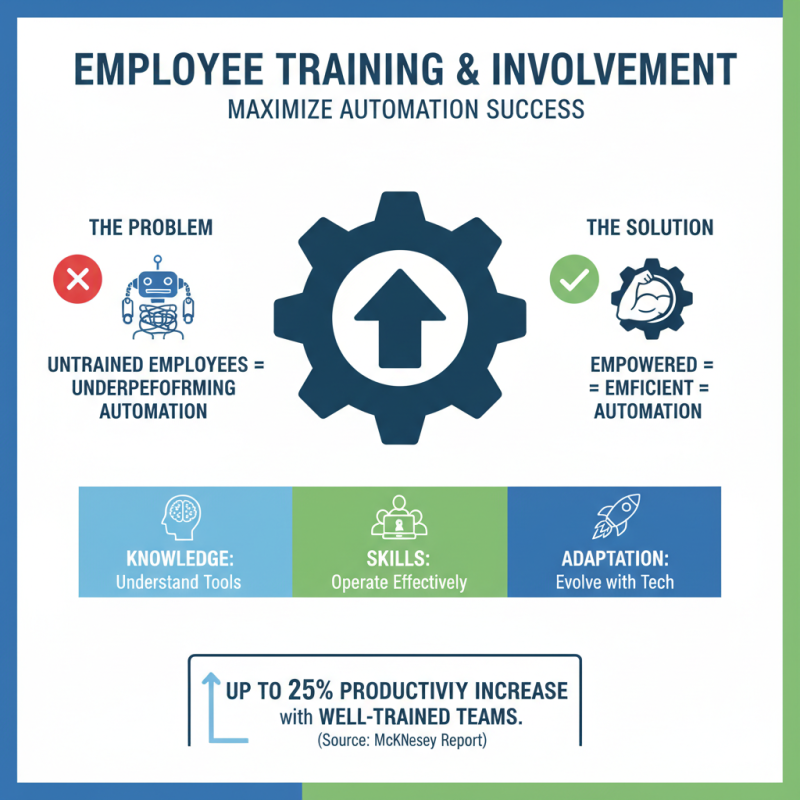
Another aspect to consider is workforce training. Technicians must understand advanced analytics to act on predictive insights. Transitioning from reactive to proactive maintenance requires cultural shifts. It might create initial resistance or lead to knowledge gaps. Yet, investing in training can close these gaps, fostering a more resilient workforce. Ultimately, predictive maintenance offers significant advantages but demands dedication and ongoing evaluation to achieve its full potential.
10 Essential Tips for Enhancing Electric Automation Efficiency