What is a High Quality Brass Rod and Where to Buy It?
Brass is a versatile alloy known for its durability and aesthetic appeal. High-quality brass rod is essential for various applications, from construction to fine crafts. According to industry reports, the demand for brass products has increased by 10% over the past five years, driven by innovation in manufacturing and design. This high demand underscores the importance of sourcing reliable materials.
Selecting the right brass rod can be challenging. Quality varies significantly among suppliers. Engineering standards, such as ASTM B16 and ASTM B 455, provide guidelines for identifying high-quality materials. These standards ensure that the brass rod meets required mechanical properties, such as tensile strength and corrosion resistance.
Acquiring high-quality brass rod requires careful consideration of your supplier. Many sources offer subpar materials that do not meet industry standards. It is vital to examine certifications and reviews. Investing time to find reputable suppliers can save costs in the long run. Quality materials yield better results, enhancing overall project success.
What Defines High Quality Brass Rod: Composition and Characteristics
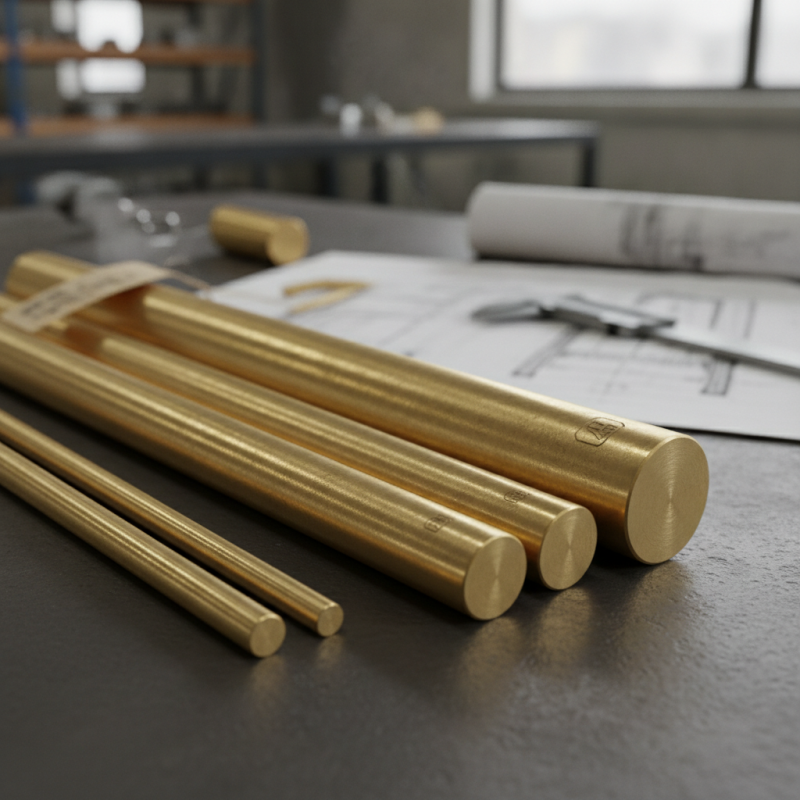
When discussing high-quality brass rods, composition is crucial. High-quality brass typically contains 60-70% copper and 30-40% zinc. This balance results in excellent corrosion resistance and durability. Additionally, other elements like lead or tin can enhance machinability. Reports indicate that the addition of these elements can improve the mechanical properties of brass, making it suitable for various applications.
The characteristics of a high-quality brass rod extend beyond composition. A smooth surface finish is essential for effective machining. The rod should also possess consistent dimensions, ensuring uniformity in production processes. According to industry standards, a high-quality brass rod must meet specific tensile strength and yield strength requirements. These characteristics ensure reliability in demanding environments.
However, sourcing high-quality brass rods can be challenging. Not all suppliers adhere to strict quality control measures. Variability in material performance can lead to project failures or defects. It is wise to verify certifications and specifications before purchasing. Consider requesting material test reports to ensure compliance with industry standards. Quality should not be compromised, as it directly affects the efficiency and safety of your projects.
What is a High Quality Brass Rod and Where to Buy It?
| Characteristics | Description | Typical Composition | Common Uses | Where to Buy |
| Corrosion Resistance | High-quality brass rods exhibit excellent resistance to corrosion. | Copper: 60%, Zinc: 40% | Plumbing fittings, decorative hardware | Local metal suppliers, online marketplaces |
| Ductility | Can be easily formed and shaped without breaking. | Copper: 70%, Zinc: 30% | Manufacturing electrical connectors, jewelry making | Hardware stores, specialized brass retailers |
| Machinability | Easily machined to the desired specifications. | Copper: 60%, Zinc: 39%, Lead: 1% | Precision parts, automotive applications | Online industrial supply companies, local suppliers |
Key Grades of Brass Rod: Understanding ASTM Standards and Classifications
Brass rods are valued for their strength and corrosion resistance. Understanding ASTM standards is essential for selecting the right brass rod. Several key grades exist within these standards, each serving distinct purposes. Common grades include C260 and C360, which vary in properties and applications. C260 is often used in plumbing fixtures, while C360 excels in machining tasks.
Choosing the right grade should involve considering factors such as machinability, tensile strength, and corrosion resistance. For example, C360 offers excellent machinability, making it ideal for complex parts. However, it may not be suitable for environments with high humidity. On the other hand, C260 exhibits good formability but lacks the machining efficiency of C360.
To make an informed decision, it is crucial to evaluate project requirements. Not all brass rods are created equal. Sometimes, opting for a lower-grade brass can lead to issues in performance or longevity. Engage with suppliers who can provide accurate specifications and guidance. Think critically about your applications to ensure the chosen brass rod meets your needs effectively.
Applications of High Quality Brass Rod in Various Industries
High-quality brass rods play a significant role in various industries. These rods are known for their excellent machinability and corrosion resistance. They find applications in manufacturing parts like fittings, valves, and connectors. The versatility of brass makes it popular in plumbing, electrical, and automotive sectors.
In the plumbing industry, brass rods are often used for creating durable fixtures. Their resistance to rust ensures long-lasting performance. In electrical applications, brass rods serve as reliable conductors. They provide a robust option for connectors and switchgear. However, sourcing high-quality material can be challenging.
Not every supplier guarantees the same standards. Some may not meet stringent quality checks. Thorough research is necessary before purchasing. Manufacturers must ensure that they get the specifications needed for their unique applications. Understanding the grade and finish of brass can also affect performance. Craftsmanship matters, and quality checks should never be overlooked.
How to Assess the Quality of Brass Rod: Key Testing and Certification Methods
Assessing the quality of a brass rod requires careful evaluation. Several key testing methods can help you determine its suitability for specific applications. First, look for mechanical testing, which includes tensile strength and yield strength. These tests reveal how much force the brass can withstand without deforming.
Next, consider the alloy composition. A high-quality brass rod usually contains a specific percentage of copper and zinc. Checking these elements via chemical analysis ensures that you obtain the right alloy for your needs. Certification from recognized institutions can provide further assurance of the material's quality.
Visual inspection plays a vital role too. Check for any visible defects or irregularities on the surface. Discoloration or pitting may indicate poor quality. Reflecting on these factors can save both time and money. However, it’s also important to remember that not every visible imperfection affects performance. Quality control relies on a balance—perceived flaws don't always equate to lower functionality.
Where to Buy High Quality Brass Rod: Top Suppliers and Market Trends
When looking to buy high-quality brass rods, it’s essential to understand market trends and suppliers. Brass rods are used in various industries, including manufacturing and construction. A reliable supplier can ensure you receive the best material for your projects.
Many factors influence the brass rod market. Prices can fluctuate based on demand and availability. Keep an eye on market reports to understand the dynamics better. Selecting a supplier with a good reputation is crucial. Check reviews and ask for references to validate their credibility before making a purchase.
Tips for buying brass rods include assessing the rod's specifications. Look for details such as the composition and hardness. These factors can impact the performance of the brass in your application. Another tip is to request samples before committing to a larger order. This step can save you from potential mistakes and ensure you make informed decisions.
Another consideration is the supplier's production practices. Quality assurance measures can elevate their offerings. A transparent supplier will share their processes with you. Avoid suppliers that hesitate to provide this information, as it may indicate a lack of reliability. Quality is vital – don't compromise for cost savings.