How to Implement Manufacturing Automation in Your Business Plan?
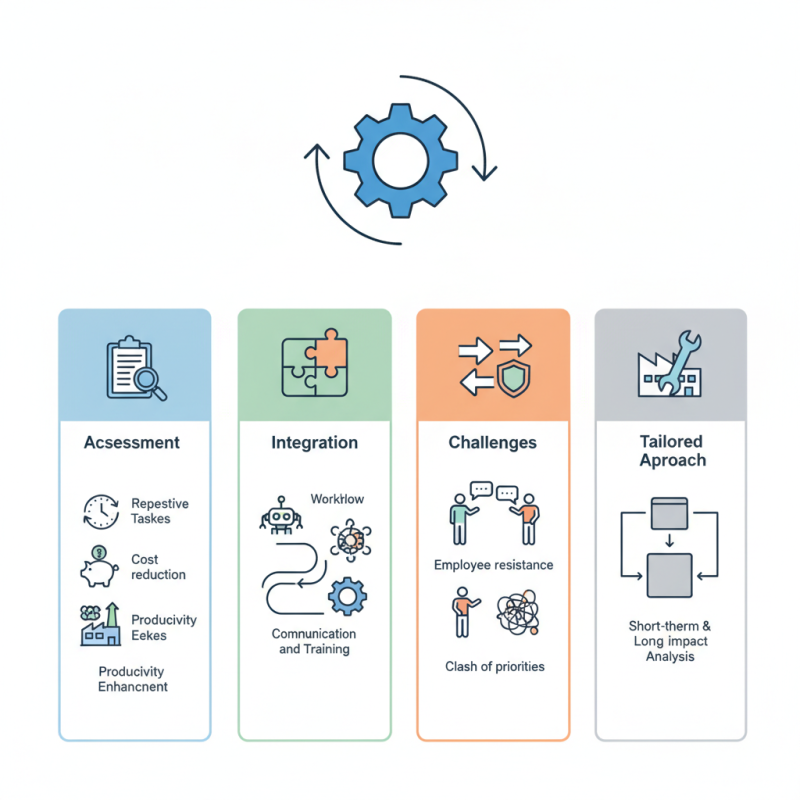
In today’s competitive landscape, manufacturing automation plays a pivotal role in streamlining operations. Implementing automation can significantly enhance productivity and reduce costs. However, integrating these technologies into your business requires careful planning.
The process is not without challenges. Many companies struggle to adapt existing workflows to new automated systems. Employees may resist change, leading to a clash of priorities. It’s crucial to address these concerns upfront. Communication and training must align with any automation goals.
Start by assessing your current production processes. Identify areas where automation can create value. Are there repetitive tasks that could be automated? Consider both the short-term and long-term impacts on your operations. Manufacturing automation is not a one-size-fits-all solution. Each business must tailor its approach for the best results.
Understanding the Basics of Manufacturing Automation and Its Benefits
Manufacturing automation is revolutionizing the way businesses operate. Understanding its basics can lead to significant advantages. Automation involves using technology to perform tasks with minimal human intervention. This can include machines, robotics, and software systems that enhance efficiency. Companies adopting automation often see higher productivity rates and reduced operational costs.
Tips: Start small. Identify repetitive tasks in your workflow that could benefit from automation. Evaluate the cost of implementation against potential savings. Training employees is crucial. They should understand how to work alongside new technologies, ensuring a smoother transition.
One of the key benefits of automation is precision. Automated systems can execute repetitive processes with consistency. However, some businesses struggle with the initial setup and integration. It's vital to invest time in strategizing. Regularly assess your automation processes to adapt as needed. Remember, technology evolves quickly; staying updated is essential for sustained success.
Steps to Select the Right Automation Technologies for Your Business
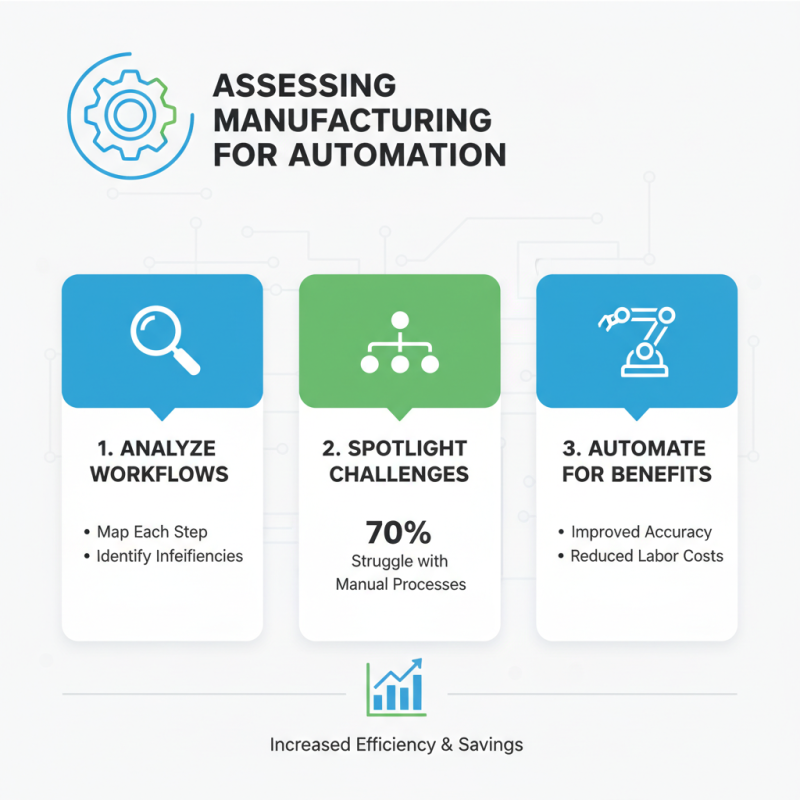
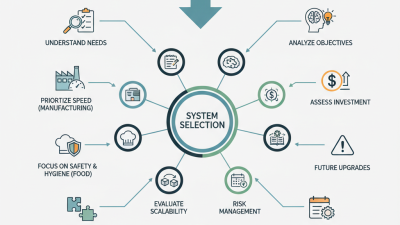
Selecting the right automation technologies requires careful evaluation. Industry reports indicate that around 70% of businesses experience challenges when integrating automation. Understanding specific needs is crucial. For instance, manufacturers often struggle with choosing software that aligns with production goals.
Identify areas where automation can bring efficiency. Many firms see a 20-30% reduction in labor costs after implementing robotics. However, improper technology selection can lead to wasted investments. A survey revealed that 43% of companies regret their automation choices due to misalignment with operational needs.
Consider trialing different technologies. Pilots can provide insights into potential benefits and pitfalls. Always involve your team in the decision-making process. Employee feedback can reveal gaps that management might overlook. Prioritize flexibility; the automation landscape evolves rapidly. Investing in adaptable systems can safeguard against obsolescence.
Developing a Comprehensive Implementation Plan for Automation
Implementing automation requires careful planning. Begin by assessing your current processes. Identify tasks that are repetitive and time-consuming. This analysis will point out areas for automation. Engage with your team to gather insights and suggestions. They understand the workflow best and can highlight pain points.
Next, create a detailed action plan. Outline specific objectives for the automation project. Set realistic timelines but remain flexible. Technology can be unpredictable. Consider the costs associated with new tools and training. Budgeting wisely prevents surprises down the line.
Pilot programs can be invaluable. Testing automation on a smaller scale allows you to address issues before a full rollout. Collect feedback continuously. Remember, automation should enhance human roles, not replace them. Reflect on potential disruptions and allow for adjustments. Balance efficiency with employee engagement for successful implementation.
Training and Supporting Your Team During the Automation Transition
Transitioning to manufacturing automation can be daunting. It's crucial to focus on training your team during this shift. Employees may feel anxious about new technologies. Clear communication helps address their concerns. Regularly share updates about the automation process to keep everyone informed.
Tips for effective training include hands-on workshops. These sessions can help team members understand new systems. Encourage them to ask questions. Creating a supportive environment fosters confidence. Pair experienced employees with those new to automation. This mentorship can smoothen the learning curve.
Additionally, gather feedback continuously. It’s important to gauge how the team is adapting. There may be hiccups along the way. Use setbacks as learning experiences. Empower your team by involving them in decision-making. This inclusion enhances ownership and boosts morale. Automation is a journey, not a destination. Adaptability is key.