What is Industrial Automation and Robotics and How Does it Impact Industries?
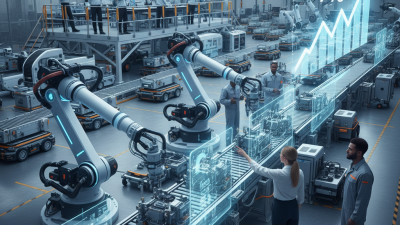
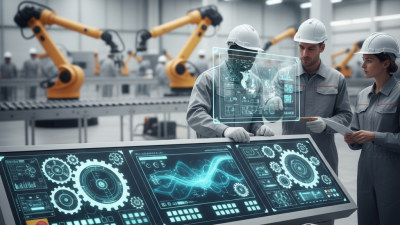
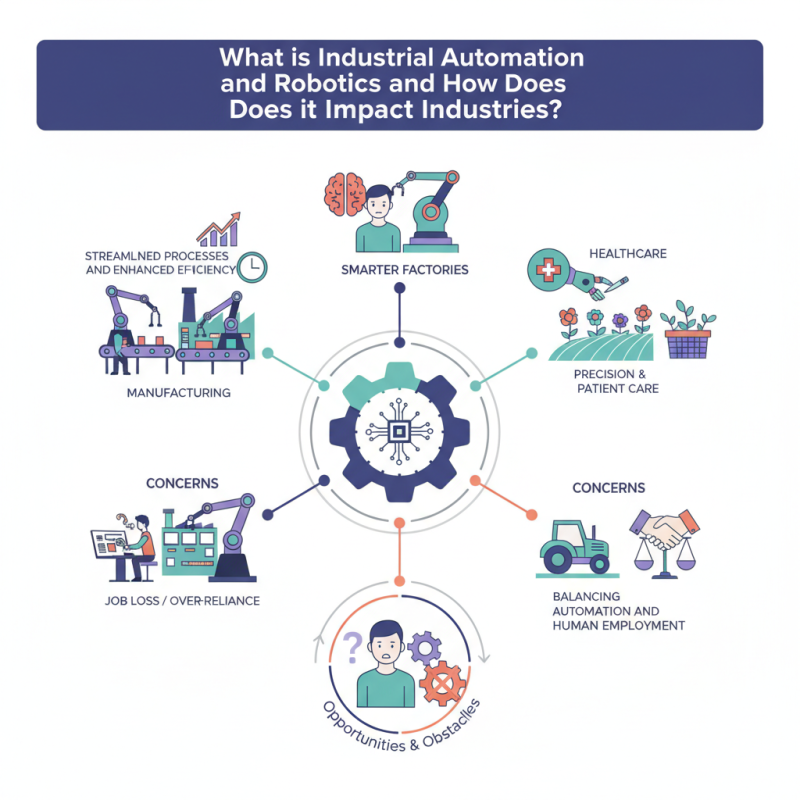
Industrial automation and robotics are transforming the manufacturing landscape. These technologies streamline processes and enhance efficiency across various sectors. Factories are becoming smarter, with machines and robots taking over repetitive tasks. This shift allows human workers to focus on more complex and creative activities.
The impact of industrial automation and robotics extends beyond production lines. Industries like healthcare are adopting these tools for better precision and patient care. In agriculture, robots help with planting and harvesting, improving yield rates. However, this rapid advancement raises concerns. Will workers lose their jobs? Are we relying too heavily on machines?
As we embrace these technologies, we must reflect on their implications. While they offer significant benefits, they also challenge traditional work models. Balancing automation and human employment is vital for a sustainable future. Each step forward in industrial automation and robotics presents both opportunities and obstacles, requiring thoughtful consideration.
Definition and Scope of Industrial Automation and Robotics
Industrial automation and robotics represent a transformative force in the manufacturing sector. Defined as the use of control systems for operating equipment, it covers a wide range of technologies. These technologies include robotics, computer systems, and information technologies. Reports by the International Federation of Robotics indicate that global sales of industrial robots reached over 400,000 units in 2020, showcasing a strong upward trend.
The impact of industrial automation is profound. It enhances productivity and improves accuracy. In many factories, robots perform repetitive tasks more efficiently than humans. However, this shift raises concerns about job displacement. A 2021 McKinsey report noted that by 2030, up to 30% of the workforce could be displaced by automation. Companies must address these challenges proactively.
Tips: Embrace continuous learning. Upskilling your workforce can help mitigate job loss concerns. Regular training sessions can create a more adaptable team. Also, consider how automation can improve workplace safety. Robots can take on dangerous tasks, reducing workplace injuries and incidents. Strive for a balance between technology and human involvement to create a harmonious working environment.
Impact of Industrial Automation and Robotics on Various Sectors
Historical Evolution of Industrial Automation Technologies
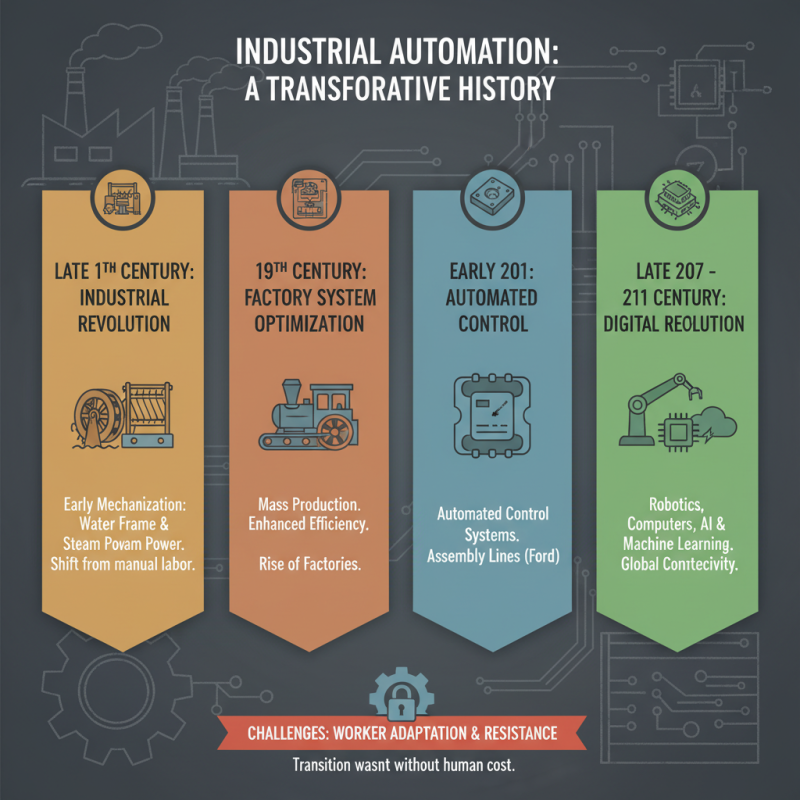
The history of industrial automation is rich and transformative. It began in the late 18th century during the Industrial Revolution. Early machines, like the water frame, marked a shift towards mechanization. Factories started using steam power, enhancing production efficiency. However, this transition wasn’t without challenges. Many workers struggled to adapt, leading to resistance against technological change.
In the mid-20th century, automation technology evolved significantly. The introduction of control systems changed how factories operated. Computers began to play a role in manufacturing processes. Robotics emerged, streamlining tasks once performed by humans. Yet, companies faced difficulties integrating these new technologies. Skills gaps often hindered progress, creating a need for continuous training.
Tips: Regular training can help workers adapt. Encourage an open mindset towards technology. Ensure that employees feel supported during transitions. Reflection on past automation failures can lead to better strategies today. Embracing change is vital, but it must be done thoughtfully to avoid pitfalls.
Key Components and Technologies in Industrial Automation
Industrial automation and robotics are transforming industries by increasing efficiency and productivity. Key components include programmable logic controllers (PLCs), sensors, and robotic arms. PLCs are crucial for controlling machinery in factories. They allow for extensive automation, reducing human error. Sensors collect real-time data, providing insights into operations. This data aids in decision-making and optimizes performance.
Robotic arms perform repetitive tasks with precision. They are used in assembly lines, welding, and packaging. However, the integration of robotics isn't always seamless. Companies may face challenges in training employees to work alongside machines. There can be resistance to change, leading to a stalled implementation. Additionally, the initial setup cost can be significant.
As industries innovate, they must remain mindful of the ethical implications. Job displacement is a pressing concern. Finding a balance between automation and human labor is critical. Embracing technology should not lead to societal disruption. Thoughtful integration addresses these challenges while harnessing the benefits of industrial automation.
What is Industrial Automation and Robotics and How Does it Impact Industries?
| Component/Technology |
Description |
Impact on Industries |
| Robotic Arms |
Mechanical arms designed for handling and manipulation of materials. |
Increased precision and speed in manufacturing processes. |
| PLC (Programmable Logic Controllers) |
Digital computers used for automation of electromechanical processes. |
Enhanced control of machinery and processes with improved reliability. |
| SCADA (Supervisory Control and Data Acquisition) |
Control system architecture for high-level supervision of machines. |
Real-time data monitoring and control, leading to better decision-making. |
| Sensors and Actuators |
Devices that collect data and perform actions based on that data. |
Improving automation efficiency and safety in various applications. |
| IoT (Internet of Things) |
Network of devices interconnected through the Internet. |
Facilitates data exchange and real-time analytics for optimizations. |
| Machine Learning |
AI techniques enabling systems to learn from data and improve. |
Optimizes operations and predicts maintenance needs in industries. |
Impact of Automation on Workforce and Employment Trends
The rise of industrial automation is reshaping the workforce landscape. A report from McKinsey reveals that by 2030, up to 30% of jobs could be automated. While this shift increases efficiency, it raises concerns about job displacement. Many workers may find their skills outdated. This is particularly true in manufacturing and warehousing sectors.
The World Economic Forum estimates that automation will create 133 million new roles. However, these positions often require advanced skills. Workers need to adapt to technology. Upskilling is critical. One study shows companies that invest in training have reduced turnover by 50%. Employees feel more secure with ongoing education.
Tips for employees: Focus on learning digital skills. Engage in training programs. Consider certifications that enhance your employability. Tips for employers: Offer targeted upskilling. Create a supportive transition environment. This approach not only keeps talent but also encourages innovation. The path to automation presents challenges, but it also offers unique opportunities for those willing to adapt.
Future Trends and Opportunities in Industrial Automation and Robotics
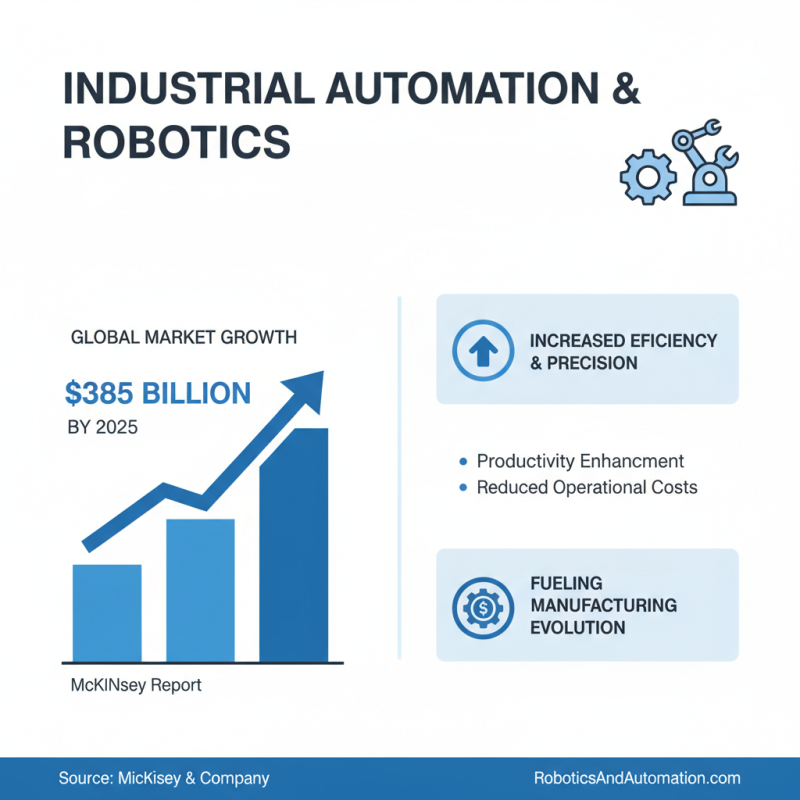
Industrial automation and robotics are rapidly changing the manufacturing landscape. According to a report from McKinsey, the global market for industrial automation is projected to reach $385 billion by 2025. This growth is fueled by the increasing need for efficiency and precision in production processes. Companies are now looking to implement automation solutions that enhance productivity while reducing operational costs.
Despite the clear benefits, the shift towards automation does present challenges. Many workers may find their roles threatened as machines take over repetitive tasks. A study by the World Economic Forum estimated that up to 85 million jobs may be displaced by automation by 2025, impacting industries from manufacturing to logistics. Balancing this transition is crucial, as training and upskilling will be necessary for the workforce to meet new demands.
Looking ahead, opportunities abound. Emerging technologies like AI and machine learning are set to redefine industrial automation. The IDC predicts that by 2024, 80% of manufacturing firms will have implemented AI-driven automation strategies. However, companies must address the ethical considerations of surveillance and data privacy in automated systems. The road to true automation success is not entirely clear, and reflection on these issues is essential for sustainable growth in the industry.