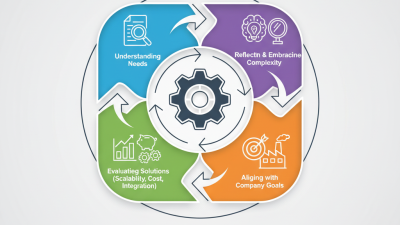
In the rapidly evolving field of science, the role of the automation laboratory is crucial. With the rise of technology, laboratories face increasing pressure to enhance efficiency. Optimizing processes in an automation laboratory can save time and reduce errors. However, many labs struggle with underutilizing their tools. Identifying key areas for improvement can lead to significant advancements.
Laboratory staff often find themselves overwhelmed by repetitive tasks. Automation can streamline these activities, but it is not always fully embraced. Integrating new technologies can be daunting. Some may hesitate to adapt, fearing disruptions. It’s essential to cultivate a mindset open to change. Effective strategies exist to ease this transition.
Practical tips can illuminate pathways toward better performance. Emphasizing training and maintenance is vital. Assessing current workflows helps identify bottlenecks. A focus on collaboration can improve teamwork and communication. Setting achievable goals fosters a progressive atmosphere. With thoughtful implementation, an automation laboratory can truly thrive.
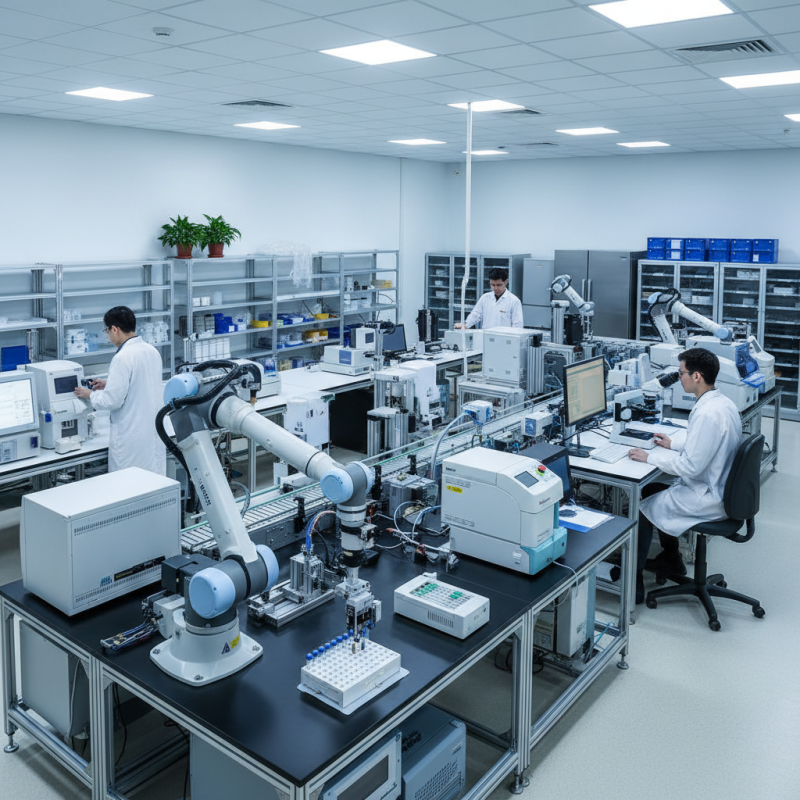
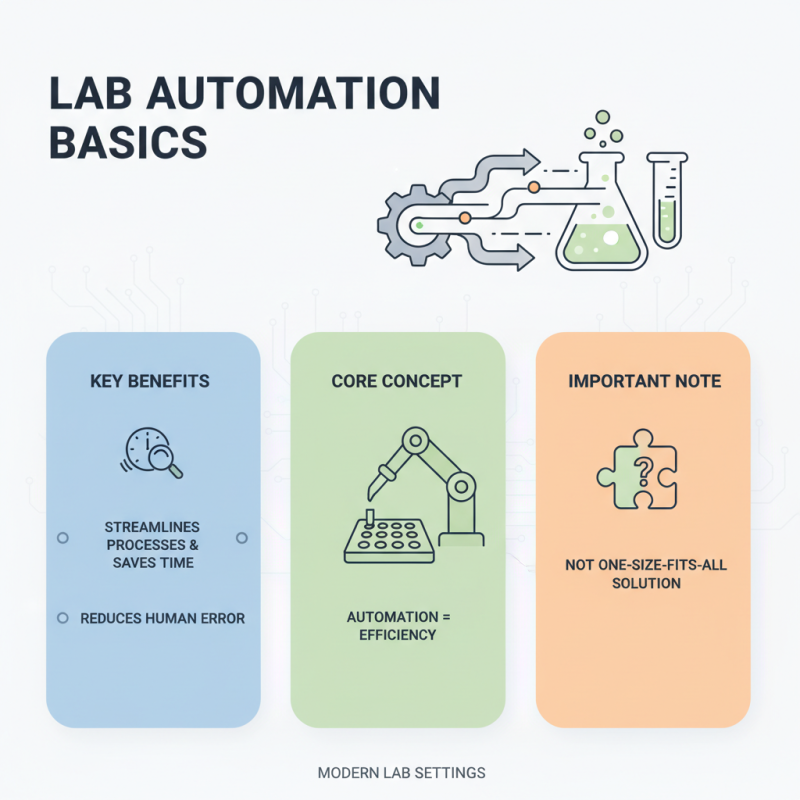
In modern laboratory settings, automation plays a crucial role. It streamlines processes and increases efficiency. Understanding the basics is essential for effective implementation. Automation can reduce human error and save time. Yet, it's not a one-size-fits-all solution.
Laboratories must identify specific tasks for automation. For example, sample handling and data analysis are prime candidates. However, some processes might not fit easily into automated workflows. Manual adjustments might still be necessary. This requires a careful balance between human oversight and machine efficiency.
Choosing the right technology is vital. Not all instruments communicate well with each other, leading to potential data silos. Integration challenges can create roadblocks. Personnel should be trained in both automated systems and traditional methods. Emphasis on human expertise is still necessary. A hybrid approach can offer greater flexibility and resilience in laboratory operations.
In the realm of automation laboratories, identifying key areas for process improvement is crucial. Start by analyzing workflow bottlenecks. These delays can undermine overall efficiency. Seek input from staff who interact daily with processes. Their insights often reveal overlooked issues. Sometimes, the smallest changes yield significant results.
Data management is another vital area. Accurate data handling can drastically improve outcomes. However, many labs still rely on outdated systems. Evaluate your current data tools and their efficiency. Streamlining data access can save time and enhance productivity. Consider moving towards integrated platforms, even if the transition seems daunting.
Training is equally important. Staff must be well-versed in using automated systems. In many labs, ongoing training is neglected. This gap can lead to errors and wasted resources. Regular workshops and feedback loops can bridge this divide. Remember, optimizing processes is not just about the systems. It's also about the people who use them.
In today's fast-paced lab environment, optimizing workflows is essential. Research shows that inefficient processes can waste up to 30% of time and resources in automation laboratories. This stark reality calls for a deep reflection on existing practices. Lab managers should prioritize identifying bottlenecks in daily operations. Often, it's the overlooked tasks, like data entry or sample tracking, that slow down the entire workflow.
Implementing best practices can yield significant improvements. For instance, incorporating digital tools can streamline data management and reduce human errors. A survey by the Global Laboratory Automation Association indicates that labs utilizing advanced software report a 25% increase in operational efficiency. However, introducing new technology comes with challenges; staff training is crucial yet frequently underestimated. Many labs struggle with the transition and face resistance from employees.
Collaboration among teams can also enhance workflow efficiency. Sharing insights and practices helps identify areas needing attention. In testing environments, small, incremental changes can lead to more profound impacts over time. Reflecting on which processes are outdated is vital. Continuous evaluation ensures your lab not only keeps pace but also leads in innovation.
| Tip No. | Optimization Tip | Description | Expected Outcome |
|---|---|---|---|
| 1 | Standardize Protocols | Create and use standardized protocols for repeatable processes. | Increased consistency and reliability in results. |
| 2 | Leverage Data Management Tools | Implement software to manage experiment data efficiently. | Improved data accessibility and analysis. |
| 3 | Automate Routine Tasks | Find tasks that can be automated to reduce manual labor. | Free up time for more complex analyses. |
| 4 | Training & Continuous Improvement | Invest in training staff regularly to stay updated on best practices. | Enhanced skill set leads to improved laboratory efficiency. |
| 5 | Implement Quality Control Measures | Set up quality control checks at various stages. | Reduction in errors and improved output quality. |
| 6 | Optimize Lab Layout | Design workflows that minimize unnecessary movements. | Faster turnaround times for experiments. |
| 7 | Use Lab Management Systems | Employ lab management software for tracking samples and equipment. | Improved organization and resource allocation. |
| 8 | Review & Revise Processes Regularly | Establish a routine for reviewing lab processes. | Continual improvements lead to long-term efficiency gains. |
| 9 | Encourage Team Collaboration | Foster an environment that promotes teamwork and communication. | Enhanced problem-solving and innovation. |
| 10 | Monitor & Analyze Performance Metrics | Use performance data to identify bottlenecks. | Strategic improvements based on data-driven decisions. |
In modern laboratories, effective data management is crucial. Leveraging technology can significantly enhance data handling and streamline processes. Tools such as cloud storage and data visualization platforms help ensure that data is accessible and easy to analyze. It’s important to choose the right tools that fit your specific laboratory needs.
Implementation often faces hurdles. Many labs struggle with integrating new technologies into existing workflows. Staff may resist change, fearing that new systems will complicate their tasks. A clear training plan is essential. Regular workshops can empower the team to embrace these changes. Encourage open feedback about the new processes to identify areas for improvement.
Additionally, monitoring data quality is vital. Automation can sometimes lead to errors if not properly managed. Regular audits of automated processes can help maintain accuracy. Don't overlook the importance of human oversight in data management. Balancing technology and human input is key to optimizing laboratory operations.
In an automation laboratory, staff training is crucial for maximizing efficiency. Understanding automation tools takes time and practice. When introducing new systems, employees often feel overwhelmed. This can lead to mistakes in data handling or equipment use. It’s vital to create a supportive environment. Encourage questions and open discussions about challenges faced.
Hands-on training sessions can boost confidence. Simulated scenarios allow staff to practice without fear of failure. Some may struggle with adapting to new technology, requiring additional attention. Regular feedback is needed to refine skills. Continuous learning should be a part of the culture, not an afterthought.
Moreover, consider varying learning styles. Some individuals grasp concepts better through visual aids, while others prefer hands-on experience. Tailoring training programs may enhance understanding and retention. It’s also important to reassess methods periodically. An approach that works for one group may fall flat with another. Training is not static; it evolves with the technology. Embracing these changes can lead to a more proficient, confident team.
This bar chart illustrates the effectiveness of various training programs designed to help staff effectively utilize automation tools. The data shows a promising level of effectiveness across different training aspects, indicating a strong foundation for optimizing laboratory processes.
© 2025 Tri-Phase | Privacy Policy | Purchase Terms & Conditions | Terms & Conditions