What is a Smartwatch Fitness Tracker and How Does It Work?
A Smartwatch Fitness Tracker is more than just a fashionable accessory. It serves as a personal coach, always ready to help you meet your fitness goals. This device monitors your movements and tracks various health metrics like heart rate, calories burned, and sleep patterns. The convenience of having this information at your fingertips can motivate you to stay active.
While many find the Smartwatch Fitness Tracker to be a beneficial tool, it's essential to recognize its limitations. Accuracy can vary, and not all features work as expected for everyone. Some users may experience frustration with battery life or connectivity issues. This reflection shows that while technology aids our fitness journeys, it isn't flawless.
Understanding how a Smartwatch Fitness Tracker functions enhances your experience. With its sensors and apps, it provides real-time feedback. Learning how to maximize its potential can lead to significant health improvements. Yet, it’s crucial to stay aware of its drawbacks. Balancing technology with traditional fitness methods can yield the best results in your wellness journey.
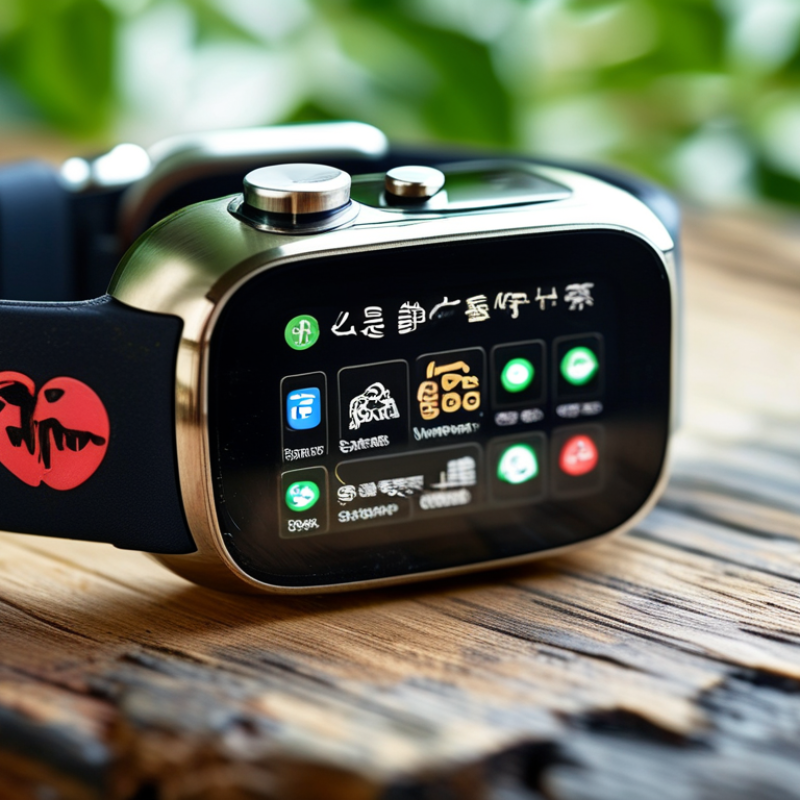
What is a Smartwatch Fitness Tracker?
A smartwatch fitness tracker is a versatile tool for health monitoring. It combines traditional watch functions with advanced fitness tracking features. These devices often monitor heart rate, step count, and even sleep patterns. Users can access this data directly on their wrist. Most fitness trackers are equipped with sensors, making them capable of gathering a variety of health metrics.
The operation of a smartwatch fitness tracker is straightforward. It uses sensors to collect data about the user's movements and bodily functions. Many trackers can connect to smartphones, allowing for easy access to detailed fitness reports. This connection enhances the user experience, showing trends over time.
However, there are limitations. Data accuracy can vary between devices. Some users may find the interface confusing. Not everyone needs advanced features, leading to potential over-complication for casual users. Thus, it’s essential to evaluate personal needs before choosing a device. Trust in the technology is key, but so is understanding its imperfections.
Key Features of Smartwatch Fitness Trackers
Smartwatch fitness trackers have surged in popularity due to their comprehensive features. According to a recent report from the International Data Corporation, the smartwatch market is expected to grow by 18% annually. This indicates a strong demand for devices that enhance fitness tracking and overall health management.
Key features of these trackers include heart rate monitoring, sleep tracking, and GPS capabilities. Heart rate monitors capture real-time data, allowing users to better understand their cardiovascular health. Research shows that 75% of fitness enthusiasts rely on heart rate data to optimize their workouts. Sleep tracking is another vital feature. It helps users assess their sleep quality, which is essential for recovery and overall well-being.
GPS technology in smartwatch fitness trackers enables accurate distance measurement during outdoor activities. This appeals to runners and cyclists who need precise data for their training. However, users may find varying accuracy rates among devices. Some trackers can miscalculate distances due to poor signal reception, leading to frustration. As the industry evolves, more reliable solutions are anticipated, but current limitations underscore the importance of user feedback in enhancing these products.
How Smartwatch Fitness Trackers Measure Health Metrics
Smartwatch fitness trackers have become essential tools for health monitoring. They gather data on various health metrics, such as heart rate, steps taken, and sleep quality. According to a report by the International Journal of Environmental Research and Public Health, over 75% of adults find these devices useful for tracking their fitness progress.
These devices typically measure health metrics using built-in sensors. Accelerometers track movement and steps. Optical heart rate monitors measure blood flow through the skin. Some advanced models even include electrocardiogram (ECG) capabilities. A study published in JAMA Cardiology indicates that heart rate measurements can be accurate within 5% compared to clinical monitors.
However, smartwatch fitness trackers are not without flaws. Many users report inconsistencies in heart rate data during high-intensity workouts. Accuracy can decline with skin tone variations and external conditions. Moreover, while sleep tracking can provide helpful insights, it doesn't always distinguish between wakefulness and light sleep reliably. Reflecting on these imperfections helps users understand the limitations of these devices.
What is a Smartwatch Fitness Tracker and How Does It Work? - How Smartwatch Fitness Trackers Measure Health Metrics
| Health Metric | Measurement Method | Accuracy | Typical Usage |
| Heart Rate | Optical sensors measuring blood flow | ±5 bpm | Daily activity tracking, workouts |
| Steps Taken | Accelerometer data analysis | ±10% | Fitness tracking, daily goals |
| Sleep Quality | Movement detection and heart rate | Moderate | Sleep pattern analysis |
| Calorie Burn | Heart rate and activity level correlation | Varies by user | Weight management, fitness tracking |
| Blood Oxygen Levels | Pulse oximetry using light absorption | ±2% | Health monitoring, fitness assessments |
Connectivity and Compatibility with Other Devices
Smartwatch fitness trackers have gained popularity for their ability to monitor health and fitness data. One key feature is their connectivity with other devices. Many trackers can sync with smartphones, tablets, or other wearables. This connectivity enhances the user experience, allowing seamless data transfer.
Compatibility is crucial. Most smartwatch fitness trackers work with various operating systems, such as Android and iOS. Users can access fitness applications that offer insights into their activities. This data becomes valuable for setting and achieving fitness goals. However, some users may encounter difficulties. Not all fitness trackers synchronize perfectly with every device, leading to frustration.
When using these devices, it’s important to check compatibility before making a purchase. In some cases, users may find their fitness trackers have limited connectivity options. Some devices may drain smartphone battery life quickly during sync processes. These issues can lead to unreliable data if not addressed. Additionally, users should explore settings to ensure optimal syncing. A thoughtful approach can enhance the effectiveness of the smartwatch fitness tracker.
Benefits of Using a Smartwatch Fitness Tracker for Health Management
Smartwatch fitness trackers have revolutionized health management. They provide real-time data that helps users monitor their physical activity, heart rate, and sleep patterns. According to a report by Global Industry Analyst, the fitness tracker market is expected to reach $62 billion by 2025. This growth shows a clear trend toward proactive health management.
These devices encourage individuals to embrace healthier lifestyles. A study published in the Journal of Medical Internet Research indicates that users who tracked their physical activity with smartwatches improved their exercise frequency by an average of 20%. Real-time feedback motivates users and fosters accountability. However, many still struggle with consistency and data interpretation. The pressure to meet daily goals can become overwhelming.
Incorporating smartwatch data into daily routines offers significant benefits. Users can set personalized goals and receive alerts, which boosts engagement. Yet, some may find the constant notifications distracting. Balancing technology use is essential. Understanding the data is crucial for meaningful insights. Overall, the potential for improved health management through smartwatches is vast, yet reflects a need for mindful usage.