Top 10 Tips for Choosing Industrial Automation Systems
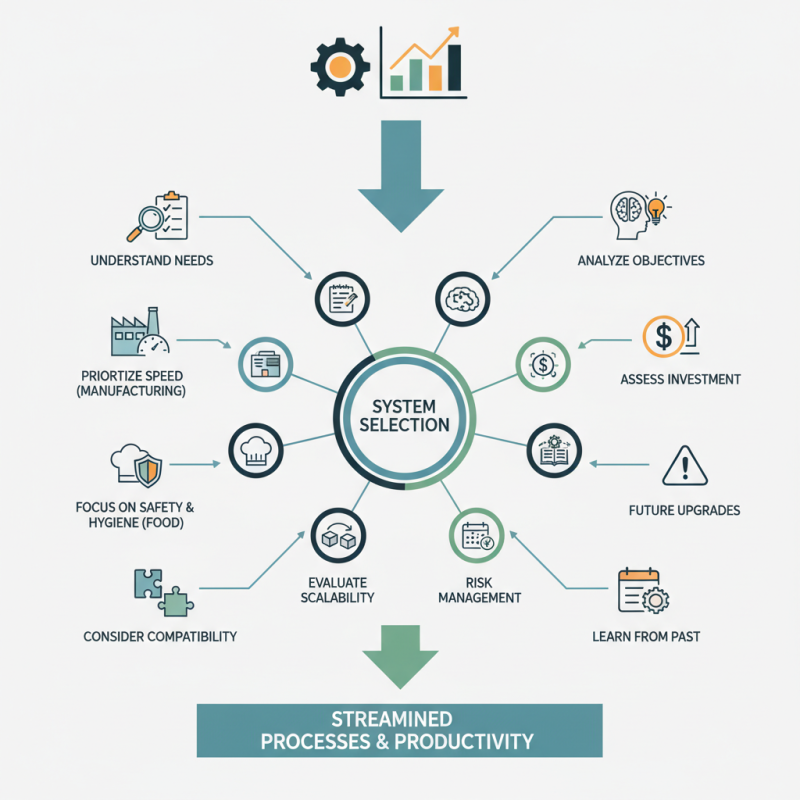
Selecting the right industrial automation systems can significantly impact your business efficiency. With the rapid advancements in technology, the choices can feel overwhelming. It is essential to understand your specific needs and objectives before making a decision.
Different industries have unique requirements. For instance, a manufacturing plant may prioritize speed, while a food processing line might focus on safety and hygiene. It’s crucial to evaluate the capabilities and scalability of the systems available. Each option presents its advantages and disadvantages.
Investing in industrial automation systems is not without risks. Rushing this choice can lead to costly mistakes. Factors like compatibility and future upgrades must be considered. Reflecting on past decisions can provide valuable insights. Ultimately, careful selection will streamline processes and improve productivity.
Understanding Your Industry Needs and Requirements for Automation Systems
Understanding your industry’s needs is crucial when choosing industrial automation systems. Each sector has unique requirements. For instance, manufacturers may prioritize speed and precision, while food processing may focus on hygiene and reliability. Conduct thorough research to identify what features are vital for your specific operations. Engaging with employees can unveil practical insights about daily challenges. Their feedback may highlight areas where automation can make a significant impact.
It is essential to assess your current systems and processes. Are they efficient? Where are the bottlenecks? Sometimes, the answer lies not in acquiring new technology but in refining existing processes. Set clear objectives for what you want to achieve with automation. These could include reducing downtime or improving throughput. Define these goals, but also be open to adapting them based on real-time feedback and changing industry demands. This flexibility will ensure that your investment aligns well with evolving operational needs.
Top 10 Tips for Choosing Industrial Automation Systems
| Tip Number | Tip | Description | Key Considerations |
|---|---|---|---|
| 1 | Identify Industry Standards | Understand the specific standards relevant to your industry. | Regulatory compliance, Safety standards |
| 2 | Evaluate Current Processes | Assess the efficiency of existing systems to identify improvement areas. | Process assessment, Improvement areas |
| 3 | Define Clear Objectives | Set specific goals for automation implementation. | Productivity increase, Cost reduction |
| 4 | Select Appropriate Technology | Choose technology that fits the needs of your operations. | Scalability, Compatibility |
| 5 | Consider Integration Options | Ensure new systems can integrate with existing infrastructure. | Connectivity, Legacy systems |
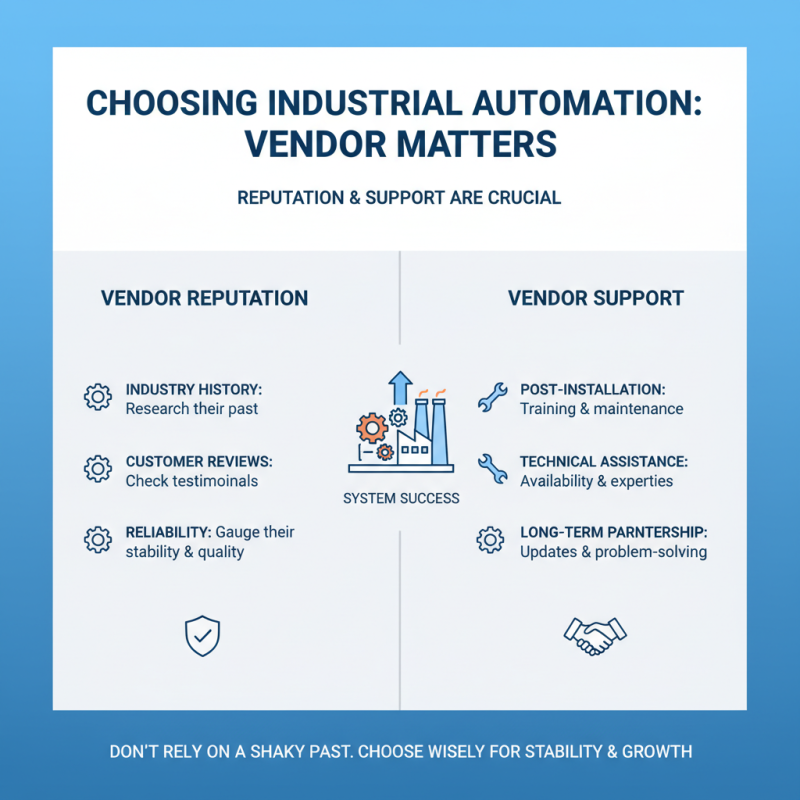
| 6 | Evaluate Vendor Support | Assess the level of support provided by vendors. | After-sales support, Training |
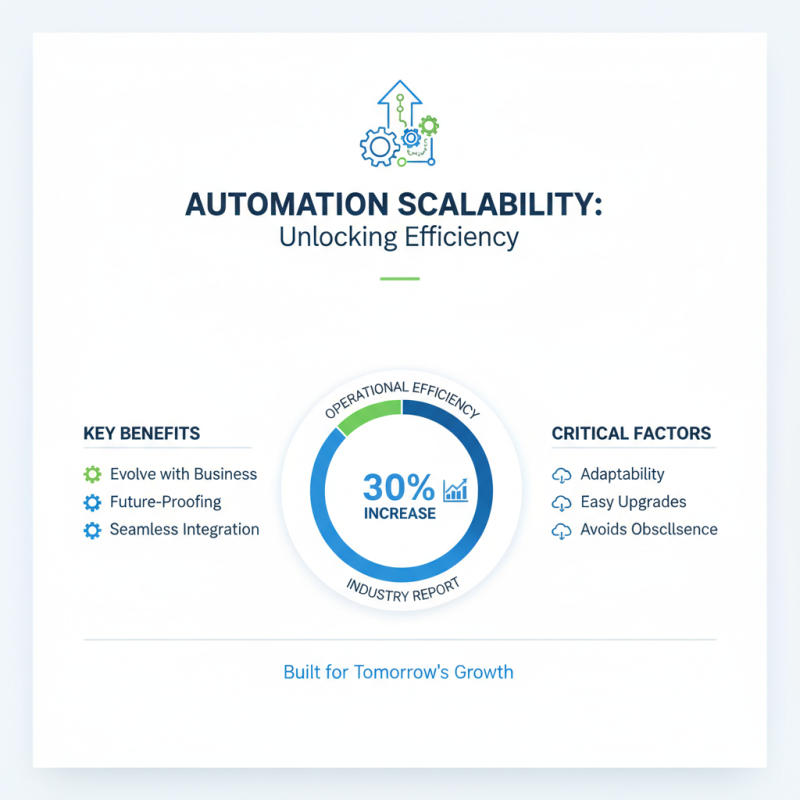
| 7 | Plan for Future Growth | Choose systems that can grow with your business. | Flexibility, Future-proofing |
| 8 | Assess Total Cost of Ownership | Consider all costs associated with implementation and operation. | Initial costs, Maintenance costs |
| 9 | Test and Validate Systems | Conduct testing to ensure systems perform as expected. | Pilot testing, Validation standards |
| 10 | Gather User Feedback | Solicit feedback from end-users to improve systems. | User experience, Adjustments |
Related Posts
-

What is Industrial Automation Inc and How Does It Impact Industries?
-

What is Automation Control Systems and How Do They Work?
-

Top 10 Automation Innovations in Germany Affecting Global Industry Trends?
-

Top 10 Industrial Automation Distributors You Should Know?
-

Top Tips for Electric Automation in Your Business?
-

10 Essential Tips for Mastering Automation Control Systems