Essential Tips for Choosing the Best Solar Charge Controller?
In the rapidly growing renewable energy sector, selecting the right Solar Charge Controller is vital for optimal performance. According to the Solar Energy Industries Association (SEIA), the solar market expanded by over 20% in recent years. This trend highlights the increasing importance of efficient solar management systems. A Solar Charge Controller regulates the voltage and current from solar panels to batteries, ensuring maximum energy efficiency.
Choosing the best controller can significantly impact your solar energy system. Research shows that a well-chosen controller can enhance battery life by up to 30%. However, many consumers struggle with this choice due to the variety of options available. It's crucial to consider factors such as system size, battery type, and specific needs.
Some users may overlook critical specifications. For instance, not all Solar Charge Controllers have the same efficiency ratings or features. Understanding these differences can prevent performance issues. Many systems fail because of inadequate control devices. A well-informed decision can lead to better energy production and savings.
Understanding Solar Charge Controllers and Their Functionality
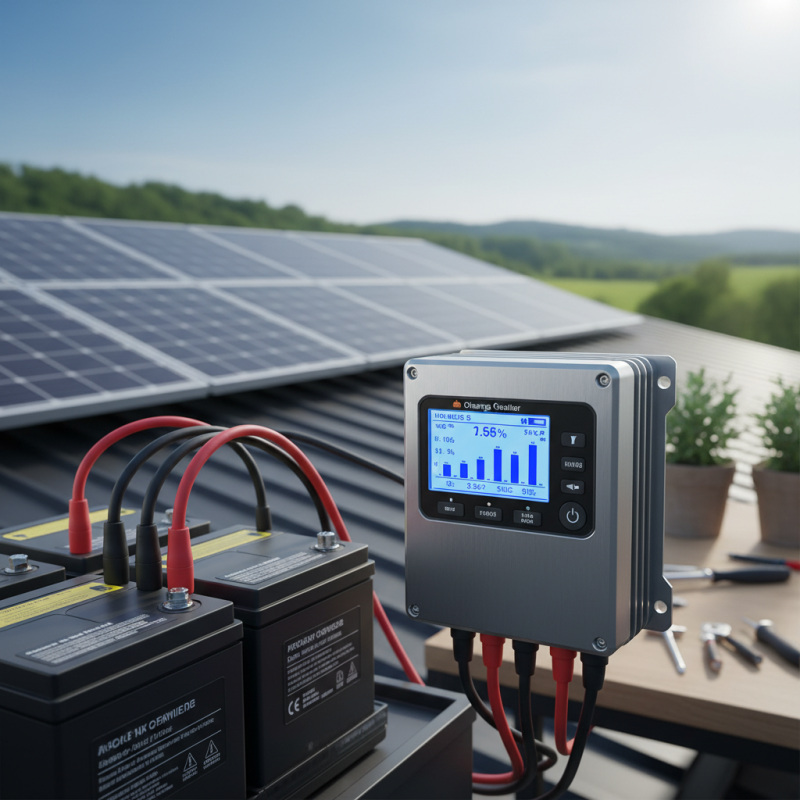
Solar charge controllers play a crucial role in managing the power generated by photovoltaic systems. They regulate the voltage and current coming from solar panels to ensure batteries charge efficiently and safely. According to the National Renewable Energy Laboratory, improper charging can shorten battery life by up to 50%. Thus, understanding their functionality is essential.
When selecting a solar charge controller, consider the type—PWM or MPPT. PWM (Pulse Width Modulation) controllers are simpler and less expensive but less efficient than MPPT (Maximum Power Point Tracking) controllers. MPPTs can improve charging efficiency by 15-30%, making them a better choice for larger systems.
Tips: Always assess your power needs before making a choice. Check the voltage and current ratings of your solar panel. Review your battery specifications to match the controller. Ensure compatibility to avoid potential issues down the line.
Remember, not all charge controllers are equal. Higher efficiency controllers may cost more upfront, but they can save you money over time. Regularly monitoring the performance of your charge controller will help you identify inefficiencies. A poorly chosen or maintained controller can lead to significant energy loss, making timely evaluation critical.
Types of Solar Charge Controllers: PWM vs. MPPT
When selecting a solar charge controller, understanding the types available is crucial. PWM (Pulse Width Modulation) and MPPT (Maximum Power Point Tracking) are the two main categories. PWM controllers are simpler and generally more affordable. They adjust the voltage to maintain battery health. According to a report by the Solar Energy Industries Association, PWM controllers are effective for small systems, typically up to 400W.
On the other hand, MPPT controllers are more advanced. They optimize energy harvest, increasing efficiency by up to 30%. In systems with higher power demands, MPPT controllers often outperform their PWM counterparts. They adapt to changing sunlight conditions, making them ideal for larger setups. An industry study indicates that MPPT systems are preferred in installations exceeding 1kW, particularly for off-grid applications.
However, choosing the right type isn’t always straightforward. Installation costs and system design play significant roles. For novice users, the advantages of MPPT can seem alluring. Still, some may find PWM controllers sufficient for their needs. Understanding these dynamics is vital for making informed decisions.
Comparison of PWM and MPPT Solar Charge Controllers
Key Factors to Consider When Selecting a Solar Charge Controller
When selecting a solar charge controller, several key factors are vital for optimal performance. One significant aspect to consider is the controller’s efficiency. Industry studies indicate that an adequately rated solar charge controller can boost energy conversion efficiency by up to 30%. This increase is essential for systems where every watt counts.
Battery compatibility is another critical consideration. Not all controllers work seamlessly with every battery type. For example, lithium batteries require specific settings for safe operation. Failing to select compatible controllers may lead to battery damage or safety hazards. Data from the Solar Energy Industries Association shows that improper charge regulation is among the top causes of battery failure in solar systems.
Lastly, understand the system size and load demand. Controllers vary in capacity and features. According to a report by the National Renewable Energy Laboratory, it's recommended to have a charge controller rated for 20% more than your maximum current input. This extra margin can accommodate fluctuations in energy production, ensuring reliable power supply. Remember, overlooking these details may reduce the system's overall efficiency and lifespan.
Essential Tips for Choosing the Best Solar Charge Controller
| Feature | Description | Importance |
| Compatibility | Ensure the controller is compatible with your solar panels and battery types. | High |
| Type of Charge Controller | Choose between PWM (Pulse Width Modulation) and MPPT (Maximum Power Point Tracking). | High |
| Current Rating | Select a controller with a current rating adequate for your solar system. | Medium |
| Voltage Rating | Make sure the voltage rating matches your system's voltage. | High |
| Temperature Compensation | Opt for controllers with temperature compensation for better efficiency. | Medium |
| Display Features | Controllers with LCD displays offer better monitoring of performance. | Medium |
| Warranty | Check warranty length and terms for longevity assurance. | High |
Evaluating the Compatibility of Charge Controllers with Solar Systems
Choosing the right solar charge controller is vital for maximizing your solar system's efficiency. Compatibility is a key factor in this decision. A charge controller must match the voltage and current ratings of your solar panels and batteries. Industry data indicates that mismatched systems can lead to efficiency losses, sometimes exceeding 30%. Proper compatibility ensures seamless energy transfer and optimizes battery health.
Solar charge controllers generally come in two types: PWM (Pulse Width Modulation) and MPPT (Maximum Power Point Tracking). An MPPT controller can be 20-30% more efficient than PWM controllers under certain conditions. However, they can also be more complex and costlier. Evaluating the scale of your solar installation is essential. Beginner systems may benefit from simpler PWM designs, while larger setups could justify the investment in MPPT technology.
It’s not uncommon for users to overlook compatibility details. For example, using a charge controller rated for 30 amps on a system requiring 50 amps can be harmful. This oversight can lead to overheating and decreased performance. A thorough analysis of your solar array's specifications and intended use is crucial. Properly matching devices not only enhances performance but also prolongs the lifespan of your solar equipment.
Installation and Maintenance Tips for Solar Charge Controllers
When installing a solar charge controller, location is key. Choose a spot that is shaded and protected from the elements. This enhances the lifespan of the unit. Always check the manufacturer’s guidelines for specific installation requirements to ensure efficiency.
Regular maintenance is vital. Dust and debris can obstruct the system. Clean the controller and surrounding areas every few months. This simple action can prevent potential issues and prolong the system's effectiveness. Industry reports suggest that neglecting maintenance can reduce effectiveness by up to 15%.
Another important tip is to monitor battery health. Keep an eye on the battery voltage regularly. If you notice abnormal readings, investigate promptly. This helps in maintaining optimal performance and extending battery life. Regular checks can often highlight issues before they escalate.