
Pulsed Laser Cleaning is moving from specialist workshops into demanding industrial environments. The process removes rust, paint, oxide layers, oil, and surface contaminants with controlled energy pulses. Unlike abrasive blasting, it can reduce consumables, dust, and secondary waste. The surface, however, still requires careful testing.
MarketsandMarkets reported that the global laser cleaning market could grow from approximately USD 587 million in 2023 to more than USD 1 billion by 2028. Its analysis highlights rising demand across automotive, aerospace, electronics, and industrial manufacturing. Grand View Research also identifies automation and environmentally cleaner production as important market drivers. These figures show momentum, not guaranteed performance.
Dr. Stefan Rethfeld, a recognized laser-materials processing researcher, has described laser cleaning as “a process that must be adapted to the material and contamination.” That principle matters. A painted steel frame, a delicate aluminum mold, and a historic metal surface need different pulse widths, scanning speeds, and power levels. One setting cannot fit all.
This guide examines the Top 10 Pulsed Laser Cleaning Machine Suppliers, comparing machine stability, pulse control, automation, service support, safety systems, and application experience. Supplier rankings are not absolute. A lower-priced machine may deliver higher long-term costs through weak calibration or limited technical support. Buyers should request test reports, sample results, warranty terms, and realistic production data. Some published market claims remain difficult to compare. That deserves caution.
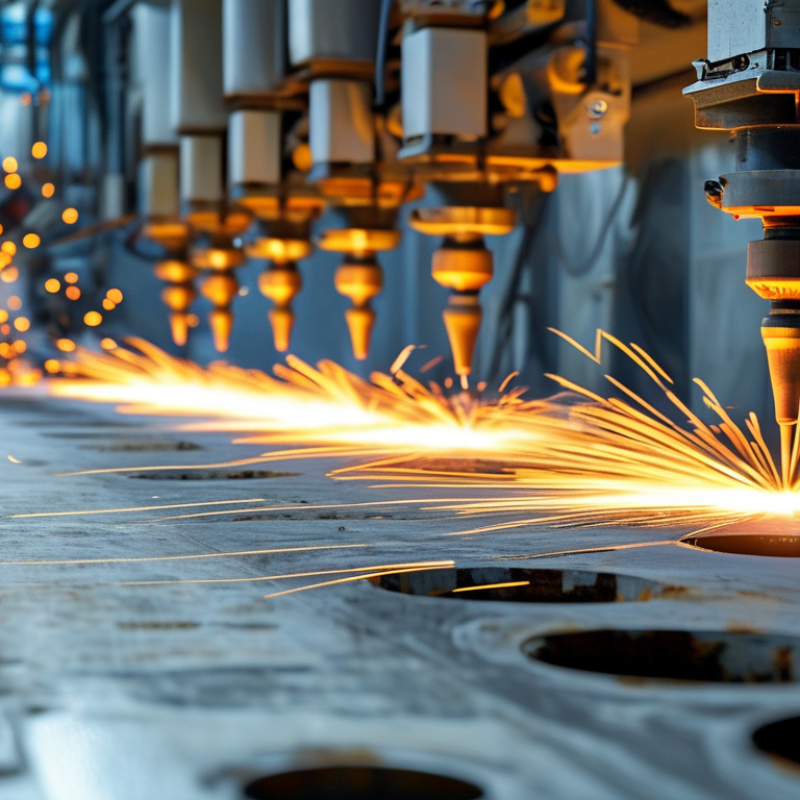
A pulsed laser cleaning machine removes rust, paint, oil, oxide layers, and other surface contaminants with short laser bursts. Each pulse delivers concentrated energy to the unwanted layer. The contamination absorbs this energy, heats rapidly, and separates from the base material. The underlying surface receives less heat than it would during continuous laser exposure.
This process is useful for metal parts, molds, tools, stone surfaces, and restoration work. Technicians can adjust pulse energy, frequency, scanning speed, and beam width for different materials. In practical use, stainless steel may need gentler settings than heavily rusted carbon steel. Dust extraction remains important because removed particles can become airborne. Proper eye protection and controlled work areas are also essential.
Tips: Test a hidden area first. Begin with low energy and slow passes. Watch for discoloration, melting, or surface texture changes. Keep the lens clean and inspect the beam path regularly.
Small mistakes matter. I have found that a setting that works well on one batch may perform poorly on another. Surface coatings, humidity, and previous repairs can change the cleaning result. Reliable operators record tested parameters instead of depending on memory. A qualified supplier should explain machine limits, maintenance needs, training, and measurable cleaning results before purchase.

Pulsed laser cleaning removes contaminants through short, controlled bursts of light. The laser energy reaches rust, paint, oil, or oxide layers on a surface. These layers absorb the light and heat rapidly. Their expansion creates stress, causing the unwanted material to crack and detach. The base material usually reflects more light or absorbs less energy. This difference helps protect steel, aluminum, stone, and other substrates.
The process is precise. A scanner moves the beam across the work area, while pulse width, frequency, and power control the cleaning effect. Operators adjust these settings according to coating thickness and surface sensitivity. A slow scan may remove heavy corrosion. A faster scan can treat light residue with less heat. The work area may show a dry, dusty plume as particles leave the surface. Local extraction is still important.
It is not a perfect eraser. Some coatings absorb energy unevenly, especially when dirt and rust overlap. Excessive power can discolor delicate metal or create unwanted texture. Practical testing on a small hidden section remains wise. I would also question any claim that one setting suits every material. Skilled technicians inspect the surface between passes and adjust gradually. This careful method improves consistency, reduces waste, and helps prevent damage during industrial maintenance.
Comparing pulsed laser cleaning machine suppliers requires more than checking power ratings. Ask how pulse energy, repetition rate, wavelength, and spot size suit your material and contamination. A machine for rusted steel may damage thin coatings or polished surfaces. Request a live cleaning test using your actual parts, not a prepared sample. Watch the surface closely. Measure cleaning speed, heat marks, residue, and operator control.
Supplier reliability matters just as much as laser performance. Check calibration records, safety documentation, training quality, warranty terms, and response times for technical support. Ask whether replacement optics and consumables are available locally. Clear operating limits show professional engineering. Vague promises do not. A lower purchase price can become expensive when downtime, extraction equipment, or maintenance is overlooked. The comparison is rarely perfect.
Tips: Build a simple test scorecard. Record cleaning time, surface condition, energy use, noise, and setup effort. Ask for references from facilities with similar materials and production volumes. Review sample reports carefully. A polished demonstration may hide difficult edges, uneven coatings, or long setup times. Test those areas deliberately. Also, confirm machine guarding, emergency controls, ventilation requirements, and operator training before purchase. Suppliers should explain these points in practical language. If answers remain unclear, pause the decision. Better questions often reveal better equipment.
| No. | Evaluation Dimension | What to Compare | Practical Benchmark | Why It Matters | Evidence to Request |
|---|---|---|---|---|---|
| 1 | Laser Source Type | Pulse duration, wavelength, pulse energy, repetition rate, and beam quality. | Nanosecond pulsed systems are commonly used for removing rust, paint, oil, oxides, and surface residues while limiting heat input. | The source specifications determine cleaning efficiency, substrate protection, and compatibility with different materials. | Complete laser datasheet, operating range, pulse profile, and substrate test results. |
| 2 | Cleaning Performance | Removal rate, coating thickness, contamination type, and required surface finish. | Performance should be measured on the buyer’s actual material and contamination rather than only on standard demonstration samples. | A high nominal power rating does not guarantee the required cleaning result. | Before-and-after samples, measured cleaning speed, microscope images, and surface roughness data where applicable. |
| 3 | Power and Pulse-Energy Options | Available average power, pulse energy, scanning width, and adjustable operating modes. | Common industrial configurations range from compact low-power systems to higher-power units for larger or thicker contamination layers. | Correct sizing avoids underperformance, unnecessary capital cost, and excessive energy consumption. | Power-versus-speed test data, duty-cycle limits, and recommended settings for each application. |
| 4 | Substrate Safety | Risk of discoloration, melting, pitting, microcracking, or dimensional change. | The supplier should demonstrate controlled removal of the contaminant while preserving the base material and critical tolerances. | Damage to the substrate can create rejects, rework, and safety or reliability problems. | Metallurgical inspection, dimensional checks, surface roughness measurements, and written process limits. |
| 5 | Scanning and Workhead Design | Scanner speed, cleaning width, focal adjustment, cable length, and hand-held or automated operation. | A suitable workhead should provide stable focus, comfortable handling, and consistent coverage across the required working area. | Ergonomics and beam control affect operator fatigue, productivity, and cleaning uniformity. | Workhead specifications, operating videos, ergonomic details, and replacement-part pricing. |
| 6 | Safety and Compliance | Laser safety classification, interlocks, emergency stop, key control, enclosure options, and exhaust requirements. | Class 4 industrial laser equipment requires controlled access, suitable protective eyewear, signage, training, and a documented risk assessment. | Laser radiation, fumes, dust, noise, and reflected beams must be controlled before production use. | Safety manual, conformity documents, interlock description, electrical drawings, and recommended protective equipment. |
| 7 | Cooling and Operating Stability | Air or water cooling, thermal control, rated duty cycle, ambient temperature range, and protection systems. | The machine should maintain stable output during the planned shift pattern without frequent thermal alarms or unnecessary downtime. | Cooling performance influences service life, repeatability, and total operating availability. | Duty-cycle test, cooling specifications, alarm history from reference installations, and maintenance intervals. |
| 8 | Automation and Integration | Robot compatibility, programmable recipes, motion-axis control, sensors, and production-line interfaces. | For repetitive work, recipe storage and controlled motion generally provide better consistency than manual operation alone. | Integration capability determines whether the equipment can scale from laboratory trials to production. | Interface protocols, layout drawings, cycle-time analysis, sample programs, and integration responsibilities. |
| 9 | Service, Warranty, and Spare Parts | Warranty duration, response time, remote diagnostics, technician availability, and consumable costs. | The quotation should clearly state warranty exclusions, service coverage, replacement-part lead times, and technical support channels. | After-sales support affects uptime and the true cost of ownership more than the purchase price alone. | Written warranty terms, service-level agreement, spare-parts list, training plan, and maintenance schedule. |
| 10 | Total Cost and Delivery Capability | Equipment price, shipping, installation, training, utilities, safety controls, maintenance, and expected delivery time. | Compare the complete installed cost and expected operating cost over several years, not only the initial quotation. | A lower purchase price may be offset by slower delivery, limited support, higher downtime, or additional safety upgrades. | Itemized quotation, delivery schedule, acceptance criteria, installation scope, training coverage, and lifecycle-cost estimate. |
Top 10 Pulsed Laser Cleaning Machine Suppliers
The top 10 pulsed laser cleaning machine suppliers should be judged by measurable performance, not catalog claims. Grand View Research valued the global laser cleaning market at about USD 587 million in 2023. Its forecast also indicates steady growth through 2030. This demand reflects stricter maintenance standards and lower chemical use in manufacturing. Pulsed systems are especially useful for removing rust, paint, oxide layers, and oil from metal surfaces. The cleaning effect should be visible: a dark coating disappears while the base material remains unchanged.
A reliable supplier should provide pulse energy, wavelength, repetition rate, and scan-speed data. Ask for sample results on your actual steel, aluminum, or composite parts. Short trials matter. Technical support matters more. MarketsandMarkets reports continued growth in industrial laser adoption, driven by automation and precision processing. However, supplier comparisons often ignore fume extraction and operator training. That is a mistake. A clean surface is not enough if airborne residue remains uncontrolled.
The strongest ten suppliers usually offer adjustable power, stable beam delivery, safety interlocks, and documented maintenance procedures. Check warranty terms carefully. Service response can decide production downtime. No supplier is perfect. Some machines are powerful but difficult to tune. Others are affordable but provide limited process records. Buyers should review independent test data, energy consumption, and total ownership cost before choosing a system. A supplier’s confidence should appear in measured results, not polished language.
Choosing among the top 10 pulsed laser cleaning machine suppliers requires application evidence, not impressive brochures. A polished demonstration can mislead. Ask each supplier to test your actual surface, coating, contamination, and production speed. Record cleaning width, pulse energy, repetition rate, heat input, noise, and cycle time. These details reveal whether the machine fits delicate molds, weld seams, aerospace parts, or heavy industrial maintenance.
Tips: Request a written test report and untreated sample comparison. Check beam delivery, extraction compatibility, operator training, spare-part availability, and response time. Confirm compliance with IEC 60825-1 and relevant workplace laser-safety requirements. A low purchase price may become expensive when consumables, downtime, and technician travel are included.
Industry research supports careful supplier screening. Fortune Business Insights valued the global laser cleaning market at about USD 587 million in 2023 and projects strong growth through 2032. MarketsandMarkets also identifies automation and industrial maintenance as major demand drivers. However, market growth does not guarantee equal supplier capability. Review at least three measured trials, verify calibration records, and speak with comparable users. I would also question unusually fast cleaning claims. Real production surfaces vary, and one successful test may not represent a full shift. Reliability comes from repeatable results, documented safety controls, and service support after installation.
© 2025 Tri-Phase | Privacy Policy | Purchase Terms & Conditions | Terms & Conditions