Top 5 Access Automation Best Practices for Businesses to Enhance Efficiency?
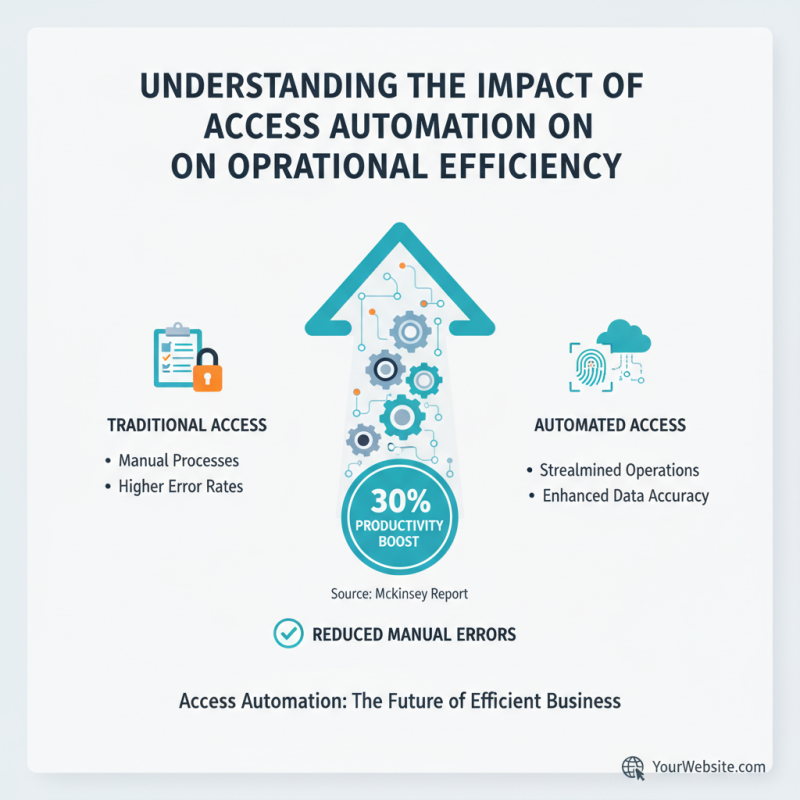
In today's fast-paced business environment, efficiency is crucial. Many organizations turn to access automation to streamline operations. Access automation improves the way employees and clients interact with various systems. However, implementing it effectively is essential.
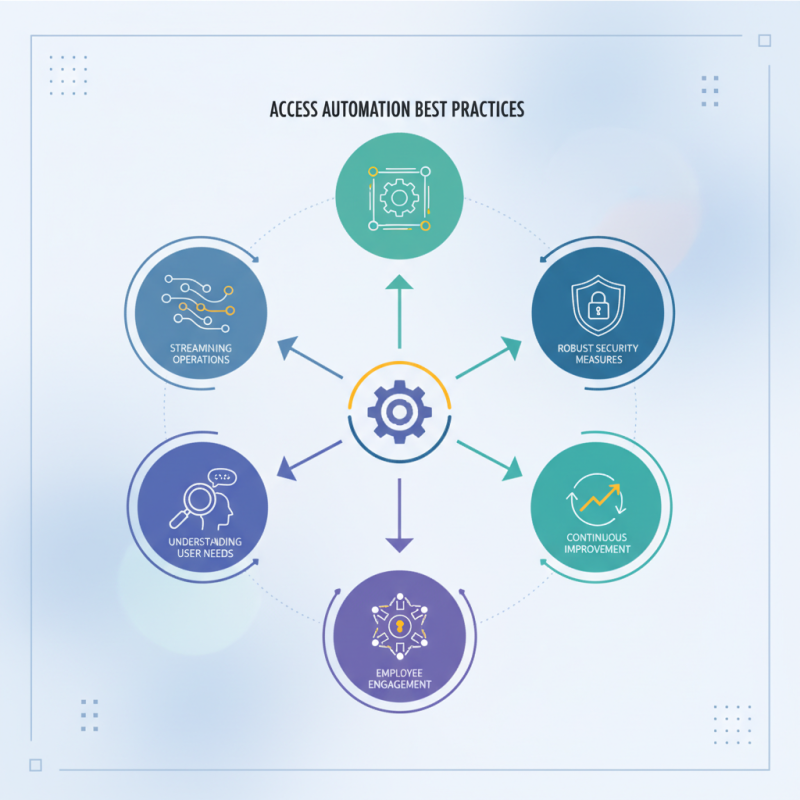
Companies often overlook critical best practices, leading to suboptimal results. Understanding the right strategies can make a significant difference. For instance, integrating access automation requires understanding user needs. It also involves ensuring robust security measures to protect sensitive information. These steps are vital for successful implementation.
Businesses must focus on continuous improvement. Regular assessments can highlight areas for enhancement. Access automation is not a one-time solution but a journey. Engaging employees in this process can drive better outcomes. Ultimately, the right practices will enhance efficiency and empower businesses to thrive.
Best Practices for Implementing Access Automation in Businesses
Access automation can transform how businesses operate. Implementing it effectively is key. Here are some best practices to consider.
Identify your specific needs. Analyze your current processes. Understand where automation can save time and effort. This clarity helps prioritize tasks for automation.
Tip: Start small. Focus on automating one process at a time. This allows for better management and adjustment. For example, consider automating access requests. Monitor how it affects your team's efficiency.
Involve your team throughout the process. Their insights can highlight potential challenges. Engaging them early builds trust. It leads to a smoother transition. Remember, it's a learning process. Expect some bumps along the way. Adaptation is part of the journey.
Tip: Regularly review and refine automated processes. Feedback loops are essential. They help you understand what's working and what isn't. Adjust as necessary to improve performance over time.
Key Metrics for Measuring Access Automation Success in Organizations
Measuring the success of access automation is critical for organizations aiming to boost efficiency. Key metrics for assessing effectiveness include time savings, error rates, and user satisfaction. A recent report from Forrester reveals that businesses implementing access automation can reduce process completion times by up to 30%. This reinforces the value of adopting automated systems.
To track performance, consider monitoring the frequency of access request fulfillment. High fulfillment rates indicate streamlined processes. Meanwhile, assessing error rates can highlight areas for improvement. Organizations should analyze user feedback as well. Positive user experiences often lead to greater adoption and efficiency.
Tip: Regularly reassess your metrics. Automation tools evolve, and what's effective today may not be tomorrow. Track industry trends to adjust strategies accordingly. Another useful tip is to foster a culture of feedback. Engaging with users transparent builds trust and helps refine access automation processes.
Top 5 Access Automation Best Practices for Businesses
Examples of Successful Access Automation Implementations Across Industries
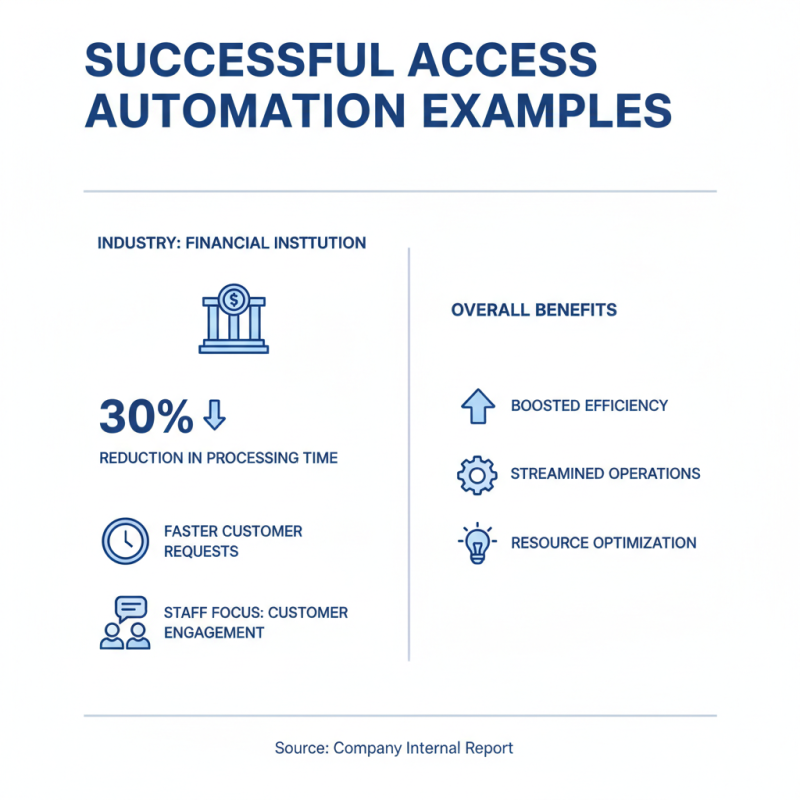
Access automation can significantly boost efficiency in various industries. Companies that prioritize effective implementations have often reported notable improvements. For instance, a financial institution transitioned to automated access control systems, which resulted in a 30% reduction in processing time for customer requests. This change freed up resources, allowing staff to focus on customer engagement rather than administrative tasks.
In the healthcare sector, a hospital integrated automated access systems to streamline patient data management. By minimizing manual errors, the facility improved data accuracy by 25%. However, challenges arose during implementation. Staff training was inadequate initially, leading to confusion. Continuous feedback from users helped refine the process, demonstrating the importance of adaptability.
Manufacturing also benefits from access automation. A leading manufacturer adopted automated access for equipment management. This reduced downtime by 40%. They faced pushback from employees resistant to change. Engaging these employees in the transition process ultimately fostered acceptance. These examples highlight that successful access automation requires more than technology; it involves understanding user needs and continuously improving the system.
Challenges and Solutions in Access Automation for Business Growth
Access automation is vital for business growth, yet challenges persist. A recent report from Deloitte highlights that 50% of companies face barriers in implementing effective access automation. These obstacles include manual processes and inadequate integration of systems. Businesses often struggle with inefficient workflows, leading to wasted time and resources.
Data security is another major concern. According to a study by Forrester, nearly 80% of organizations experience at least one access-related breach annually. This underscores the need for robust solutions. Companies must invest in identifying vulnerabilities in their access processes. Streamlining automation tools can greatly enhance efficiency while also ensuring compliance with industry regulations.
Employee buy-in is crucial to the success of access automation. Engaging teams through training and workshops can mitigate resistance to change. Encouraging feedback also creates a culture of continuous improvement. Involving employees typically leads to better system adoption and lower frustration. As automation evolves, businesses must adapt to maintain a competitive edge.