Global buyers evaluating packaging automation face more than a choice between faster machines and lower prices. They must connect equipment, software, workers, and compliance across different markets. A carton former may run smoothly in a supplier’s showroom, yet struggle with dusty floors, unstable power, or changing product sizes. Small details matter. This introduction examines practical solutions from an operational viewpoint, using evidence that buyers can verify through trials, technical documents, and customer references.
The discussion covers primary packaging, case packing, palletizing, labeling, inspection, and integrated line control. It considers throughput, changeover time, footprint, energy use, operator safety, and maintenance access. Buyers will also see why interoperability matters. A reliable line should communicate with existing systems and produce traceable performance data. Supplier support deserves equal attention, including installation, training, spare parts, remote diagnostics, and response times. These factors often decide whether an investment succeeds after commissioning.
No solution fits every factory. A low-cost robot may disappoint when product variation is high. A sophisticated line may exceed the needs of a smaller site. This guide therefore compares capabilities rather than repeating marketing promises. It also highlights questions that are easy to overlook, such as cleaning routines, cybersecurity, language support, and local service coverage. The evaluation is not perfect; real production conditions can expose assumptions that testing misses. Still, careful validation, transparent specifications, and documented results give global buyers a more dependable path toward efficient, compliant, and resilient packaging operations.
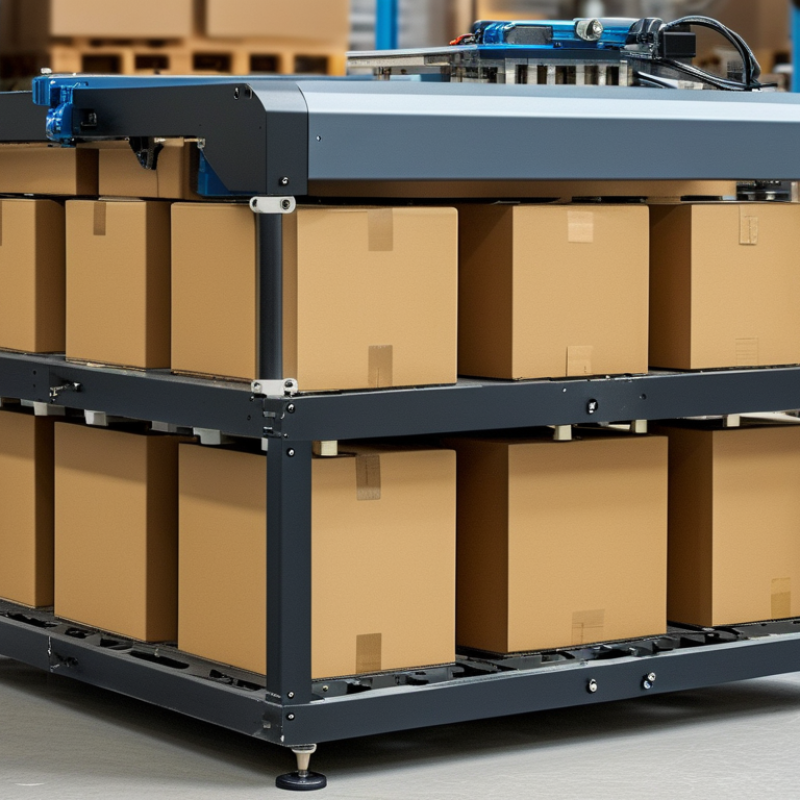
Packaging automation solutions combine conveyors, robotic handling, vision inspection, fillers, sealers, and software. They reduce repetitive work and create consistent packaging quality across sites. Global buyers need more than faster machines. They need flexible systems for different formats, languages, voltage standards, and audit requirements. The International Federation of Robotics reported 541,302 industrial robots installed worldwide in 2023. That figure shows broad adoption, not automatic success. Integration still depends on product geometry, operator training, and maintenance access.
For procurement teams, the strongest business case usually involves lower downtime, labor resilience, and better traceability. PMMI’s 2024 State of the Industry Report identifies workforce pressure and productivity as continuing packaging investment concerns. A practical evaluation should record changeover time, reject rates, line speed, energy use, and spare-parts access. Ask suppliers for factory acceptance data and clear service terms. Test real products, including damaged cartons and variable weights. Perfect samples can mislead. A line may perform well for one shift, then struggle during a humid night.
Tips: Start with one bottleneck, not a complete factory redesign. Require open data connections and documented safety controls. Calculate five-year costs, including training and downtime. Leave maintenance space around equipment. This sounds obvious, but crowded lines punish service teams. Recheck assumptions with operators before signing. Their feedback is often less polished, and more useful.
Packaging automation systems are best classified by the process they perform. Typical stages include product feeding, dosing, filling, sealing, labeling, case packing, and palletizing. Each stage handles a different production risk.
A filling unit controls volume, while a sealing unit protects package integrity. A labeling station supports identification and traceability. Palletizing equipment manages repetitive end-of-line handling. In practical line audits, I examine changeover time, sensor accuracy, reject handling, and cleaning access. These details often matter more than advertised speed. Fast equipment can still create delays.
Function provides another useful classification. Primary systems form or close the package. Secondary systems group individual units into cartons. Tertiary systems prepare cartons for storage or transport. Inspection and data systems verify weight, seals, codes, and production records. This view helps buyers connect equipment with quality controls and labor goals. However, a neat classification can mislead. One machine may perform several functions, especially on compact lines.
Tips: Map every process before requesting quotations. Record package sizes, materials, target speed, and changeover frequency. Ask how faults are detected and cleared. Test real products, not only samples. Leave room for maintenance access; this is often underestimated. Document assumptions, because small changes can affect the whole line.
Modern packaging automation solutions rely on connected technologies, not isolated machines. Industrial robots handle case packing, palletizing, and repetitive pick-and-place tasks. Machine vision checks labels, seals, fill levels, and damaged cartons in milliseconds. According to the International Federation of Robotics’ World Robotics 2024 report, 541,302 industrial robots were installed worldwide in 2023. Packaging buyers can therefore expect stronger automation capacity, but integration quality still matters more than robot count.
Programmable logic controllers coordinate conveyors, sensors, safety systems, and robotic arms. Industrial Internet of Things platforms then collect production data from these devices. Edge computing can process inspection results near the line, reducing delays caused by cloud transmission. Digital twins help engineers test changeovers before touching equipment. Deloitte’s 2024 Smart Manufacturing and Operations Survey found that 86% of manufacturing leaders expect smart manufacturing to become a major competitiveness driver within five years.
Predictive maintenance adds another layer. Vibration sensors can reveal bearing wear before a conveyor stops beside a half-sealed carton. Energy meters can expose inefficient compressed-air systems. Yet automation is not automatically intelligent. Poorly labeled data, weak network security, and untrained operators can reduce its value. Buyers should request open communication protocols, documented validation procedures, remote diagnostics, and practical training. A cheaper line may still cost more when every format change requires specialist support. That lesson is easy to underestimate.
Global buyers should compare packaging automation suppliers through evidence, not attractive brochures. The International Federation of Robotics reported 541,302 industrial robots were installed worldwide in 2023. That growth signals strong demand, but it does not prove a supplier fits your operation. Ask for documented cycle times, changeover records, uptime data, and references using similar materials and package sizes.
Cost comparison must include the entire ownership period. Request equipment price, integration, training, spare parts, software support, energy use, and planned maintenance. A low purchase price can become expensive after repeated stoppages. The PMMI report Automation Solutions for Packaging and Processing highlights labor availability and flexible production as major automation drivers. Buyers should therefore test recipe changes, cleaning access, and operator training before approval.
Small details matter. A five-minute adjustment repeated hourly can damage annual output.
Compliance needs its own supplier scorecard. Check risk assessments against ISO 12100, electrical documentation aligned with IEC 60204-1, and region-specific machine requirements. For food or pharmaceutical packaging, request material declarations, hygienic-design evidence, traceability records, and validation support. The European Union Machinery Regulation 2023/1230 also changes future compliance planning for applicable equipment. Confirm the transition impact with qualified specialists. Do not accept a certificate without knowing its scope. In my view, buyers often overvalue automation speed and undervalue service response. That is a mistake. A supplier’s local technician network, spare-parts lead time, cybersecurity controls, and escalation process deserve equal attention. Perfect comparisons are impossible. A transparent scoring model is better than optimistic assumptions.
Top Packaging Automation Solutions for Global Buyers?
How to Select, Implement, and Maintain a Packaging Automation System
Selecting a packaging automation system should begin with the product, not the machine. Measure package size, weight, material, and daily volume. Record seasonal changes as well. A line designed for one carton size may struggle with frequent product variations. I once saw a project delayed because small sample batches were ignored during testing. That mistake was avoidable.
Ask suppliers for cycle-time data, changeover procedures, safety documentation, and maintenance requirements. Request a factory acceptance test using your actual packaging materials. Observe sealing quality, label placement, and rejected units. A system that runs quickly but creates frequent jams is not efficient. Operators should understand the controls, cleaning points, and emergency procedures before installation.
Plan implementation around realistic production conditions. Leave space for inspection, spare parts, and safe movement around the equipment. Train maintenance staff with hands-on fault simulations. Keep records for lubrication, sensor replacement, software updates, and recurring alarms. Preventive maintenance usually costs less than an unexpected shutdown. Still, every plan has limits. Dust, humidity, and operator habits can change results. Review performance weekly during the first three months, then adjust settings carefully. A useful system should improve consistency without making the workplace harder to manage.
© 2025 Tri-Phase | Privacy Policy | Purchase Terms & Conditions | Terms & Conditions