2026 Top Smart Meter Reading System Features You Need to Know?
The 2026 landscape for Smart Meter Reading Systems is rapidly evolving. According to the International Energy Agency, smart meters are projected to cover over 70% of global households by 2025. This growth indicates a shift towards efficiency in how energy is consumed and managed. An effective Smart Meter Reading System can significantly enhance the accuracy of utility billing, promote energy conservation, and facilitate better grid management.
As technology progresses, features such as real-time data reporting and advanced data analytics are becoming essential. The Global Smart Meter Market Report highlights that the demand for smart meters is driven by the need for improved energy management and sustainability initiatives. Utility companies are increasingly dependent on these systems for predictive maintenance and customer engagement.
However, with innovation comes challenges. Many systems lack interoperability and pose cybersecurity risks. Identifying the most effective features for a Smart Meter Reading System is critical. The industry must address these shortcomings to fully harness the benefits of smart metering technology. Understanding these aspects will empower utilities and consumers alike in navigating the smart energy landscape.
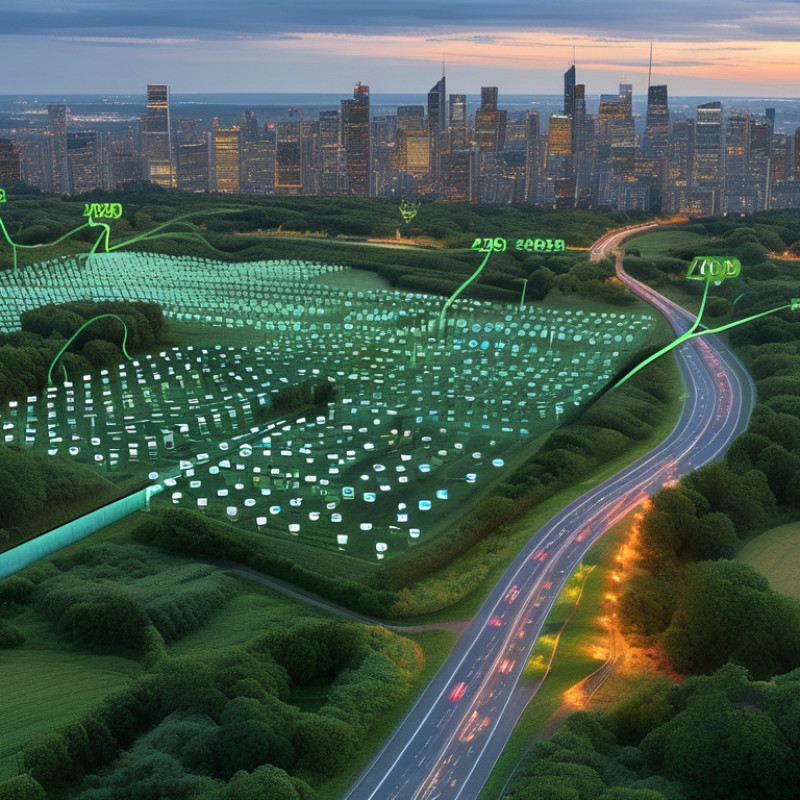
Key Features of Smart Meter Reading Systems in 2026
Smart meter reading systems are evolving rapidly. In 2026, these systems will offer features that enhance efficiency and accuracy. One key aspect is real-time data collection. This allows utilities to monitor energy usage instantly. Users can receive notifications about their consumption patterns. The immediacy of this feedback helps in making informed decisions.
Another important feature is advanced analytics. These tools can process vast amounts of data. They identify trends and anomalies in energy usage. By analyzing this data, utilities can optimize their resources. However, the challenge lies in data privacy. Users often express concerns about how their information is handled. Transparent policies are crucial for building trust with consumers.
Integration with smart home devices is also on the rise. This allows users to manage their energy consumption seamlessly. For example, heating and cooling systems can adjust automatically. Yet, the effectiveness of such systems depends on compatibility and user understanding. Not all consumers are tech-savvy. Ongoing education will play a significant role in the successful adoption of these systems. Understanding both the benefits and limitations will be vital for users in 2026.
2026 Top Smart Meter Reading System Features You Need to Know
| Feature | Description | Benefits | Availability |
| Real-time Data Collection | Instantaneous data retrieval for accurate billing. | Prevents billing discrepancies and improves customer trust. | Widely available in most urban areas. |
| Remote Monitoring | Allows utilities to monitor usage without on-site visits. | Reduces operational costs and enhances response times. | Available globally with advanced infrastructure. |
| Data Analytics | Analyzes consumption patterns for better resource management. | Identifies inefficiencies and helps in demand forecasting. | Expanding with more AI integration in analytics. |
| Enhanced Security Features | Protects user data with encryption and advanced authentication. | Increases user confidence in smart metering technology. | Expected to improve continuously with tech advancements. |
| User-friendly Interfaces | Mobile apps and web portals for easy user access. | Empowers users to monitor their own consumption. | Rampant adoption across various platforms. |
Advancements in Smart Meter Technology for Enhanced Data Collection
The landscape of smart meter technology is evolving rapidly. Enhanced data collection is a key focus. The new systems improve accuracy and efficiency. These meters can now transmit data in real-time. This allows utilities to respond quickly to consumption changes. It also helps detect issues more effectively.
Interoperability has become crucial in smart meter advancement. Modern systems can communicate seamlessly with different devices. This means better integration with home energy management systems. Users can monitor their usage patterns easily. However, as technology advances, users must adapt. Many find navigating new interfaces challenging. Training and support become essential.
Security remains a pressing concern. With increased connectivity comes the risk of data breaches. Consumers need assurance that their information is safe. The industry is now prioritizing encryption and secure data transmission. Balancing innovation with safety is vital. As smart meters evolve, ongoing attention to usability and security will remain necessary.
Integration of IoT in Smart Meter Reading Systems
The integration of the Internet of Things (IoT) into smart meter reading systems is transformative. These systems collect and transmit data wirelessly. This leads to faster and more accurate readings. IoT-enabled meters provide real-time information to both consumers and utilities. This data can help in monitoring consumption patterns.
However, challenges remain. Security issues arise when devices connect to the internet. Protecting consumer data is crucial, yet many systems face vulnerabilities. Also, not all regions have the same level of technology infrastructure. Limited connectivity can hinder the full benefits of IoT integration. Consumers may miss out on timely insights.
Despite these challenges, the potential for IoT in smart meter systems is significant. Enhanced data analytics can lead to energy efficiency. Smart meters can alert users to unusual patterns, prompting potential savings. As technology evolves, finding solutions to existing issues is essential. This journey toward innovation requires a thoughtful approach.
User-Friendly Interfaces and Accessibility Features
Smart meter reading systems are evolving quickly. A focus on user-friendly interfaces and accessibility features is vital. These enhancements make technology more approachable for everyone.
User interfaces should be intuitive. Individuals of all ages need to navigate easily. Consider high-contrast designs for those with visual impairments. This design choice enhances readability. Features like voice commands also improve accessibility. Users can operate systems without relying solely on touch. Such functions cater to diverse needs.
Tips: Ensure readability by using simple language. Avoid jargon where possible. Test designs with actual users. Their feedback can reveal hidden issues.
Another aspect to consider is the customization of features. Users benefit from tailoring settings to suit personal preferences. This flexibility can enhance the overall user experience. However, with numerous options, confusion can arise. Therefore, a balance between customization and simplicity is crucial.
Tips: Observe common user behaviors. Identify patterns that highlight usability challenges. Use data to refine interfaces continually. Making incremental improvements creates a better product. Every adjustment can lead to a more effective system.
Data Security Measures in Modern Smart Meter Solutions
Data security is crucial in modern smart meter solutions. With increased connectivity, these devices gather sensitive user data. Protecting this information is not just beneficial; it’s essential. Smart meters collect electricity usage patterns, which can reveal personal habits. Without proper safeguards, this data may fall into the wrong hands.
One of the key measures in securing data is encryption. Effective encryption makes it nearly impossible for hackers to access user information. This technology is evolving rapidly. Companies are now adopting advanced techniques to ensure data remains confidential. Besides encryption, strong authentication protocols are also vital. Multi-factor authentication can help prevent unauthorized access to smart meter systems.
However, challenges remain. Many users underestimate the importance of cybersecurity. Without awareness, even the best technologies can falter. Regular updates and user education are necessary to enhance security. This ongoing effort requires collaboration between manufacturers and consumers. Ultimately, both parties play a critical role in safeguarding data integrity.
2026 Top Smart Meter Reading System Features
This chart illustrates the importance levels of various features in modern smart meter reading systems for 2026. Data security emerges as the most critical feature, followed closely by real-time monitoring, highlighting the growing need for secure and efficient smart meter solutions.