2026 Top Robotics Manufacturing Trends for Global Buyers?
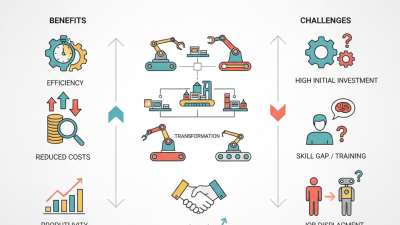
As we approach 2026, the landscape of robotics manufacturing is rapidly evolving. According to a recent report by the International Federation of Robotics (IFR), the global market for robotics is projected to reach $210 billion by 2025. This growth presents significant opportunities for global buyers looking to enhance their production capabilities. Robotics manufacturing is setting new standards in efficiency and precision, but also poses challenges for integration and workforce adaptation.
The integration of AI technologies in robotics manufacturing is transforming traditional processes. However, a report from McKinsey highlights that only 30% of companies have successfully implemented such innovations. Many struggle with the complexities of new software and hardware integration. Furthermore, the demand for skilled labor in this sector is escalating. According to the World Economic Forum, nearly 133 million new roles may emerge by 2022, driven by the rise in automation and robotics.
Despite the positive outlook, there are hurdles to overcome. Buyers must be vigilant about selecting reliable suppliers and technologies. The risk of over-reliance on automation can lead to disruptions. The journey ahead will require ongoing investment, careful planning, and a commitment to workforce reskilling. As the robotics manufacturing trends unfold, staying informed will be critical for all stakeholders involved in this dynamic industry.
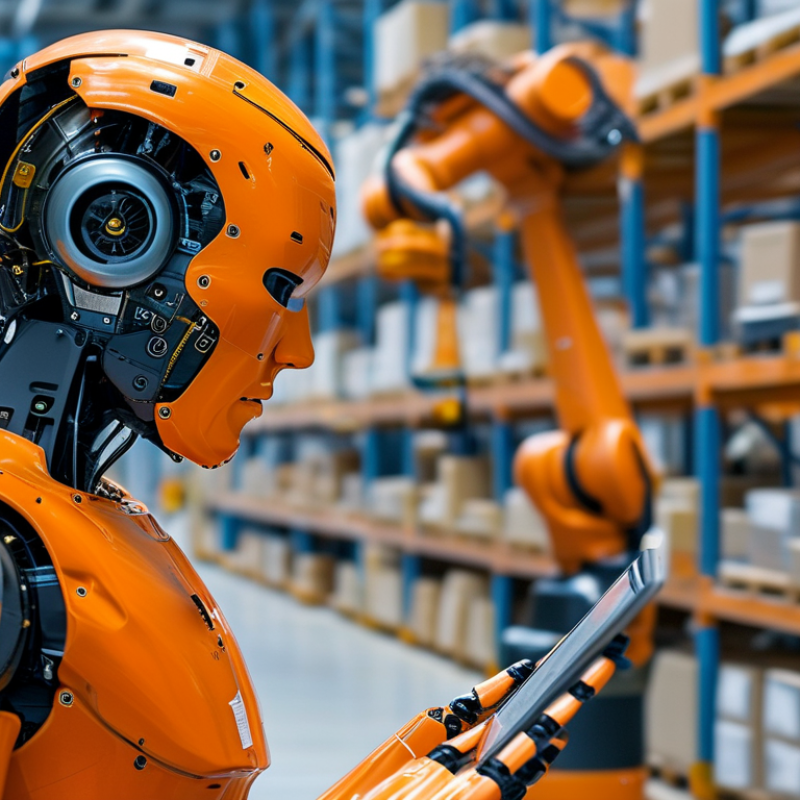
Emerging Automation Technologies Revolutionizing Robotics Manufacturing in 2026
In 2026, emerging automation technologies are set to transform robotics manufacturing significantly. According to a recent report by the International Federation of Robotics, the global market for industrial robots is expected to grow by 13% annually. This surge is driven by advancements like AI integration and IoT connectivity, enabling smarter and more efficient manufacturing processes. Manufacturers that embrace these technologies will likely see reduced production costs and improved operational efficiency.
Moreover, new collaborative robots, or cobots, have gained traction. Unlike traditional robots, cobots work alongside human operators. A study from McKinsey indicates that incorporating collaborative robots can boost productivity by up to 30%. Despite these gains, challenges remain. Ensuring safety in human-robot interactions and addressing integration hurdles are critical concerns for manufacturers. As this technology evolves, companies must carefully balance innovation with operational realities.
Additionally, a growing emphasis on sustainable practices is shaping the robotics landscape. The World Economic Forum reports that 60% of manufacturers aim to incorporate eco-friendly technologies by 2026. This shift presents opportunities and dilemmas in sourcing materials and energy consumption. While automation can streamline processes, manufacturers must reflect on their environmental footprint and strive for sustainable solutions that do not compromise efficiency or safety.
The Impact of AI Integration in Robotics Manufacturing Systems
The integration of AI in robotics manufacturing is revolutionizing the industry. AI enhances efficiency and precision in robotic systems. For instance, predictive maintenance powered by AI can significantly reduce downtime. Robots equipped with AI can adapt to complex tasks, learning from previous experiences. This capability streamlines operations and leads to better productivity.
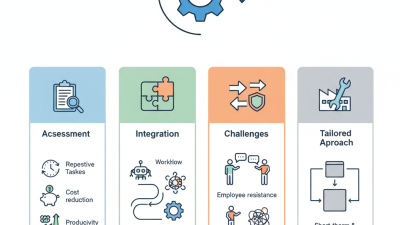
Understanding AI’s role is crucial for global buyers. It’s essential to evaluate how AI can be leveraged within manufacturing systems. Not all AI solutions are one-size-fits-all. Each factory has unique processes and challenges that require tailored approaches. This customization can be tricky. Success depends on clearly defining goals and measuring outcomes.
Monitoring the latest trends can provide insights into future developments. Keeping up with industry changes is vital. Engage with experts to better understand the nuances of AI in robotics. This knowledge can help assess potential impacts on business operations. Adapting and evolving alongside technology may present challenges. Yet, embracing these changes can lead to significant competitive advantages.
Sustainability Practices Driving Robotics Manufacturing Trends in 2026
Sustainability practices are reshaping robotics manufacturing in 2026. Buyers are increasingly focused on eco-friendly manufacturing processes and materials. This trend reflects a broader movement towards reducing carbon footprints across industries. Robotics manufacturers are exploring ways to utilize recycled materials in production. They are also adopting energy-efficient technologies to minimize waste and emissions.
Aligning with sustainable practices brings challenges. Manufacturers must balance cost-effectiveness and innovation while adhering to greener standards. Some companies struggle to implement these practices comprehensively. They face issues in sourcing sustainable materials and adjusting existing supply chains. Despite these obstacles, the movement towards environmentally responsible robotics is gaining momentum.
Collateral benefits arise from this shift. Enhanced collaboration among stakeholders can drive innovation. As manufacturers redesign processes, they may uncover new efficiencies. However, it demands a proactive approach and continuous reevaluation of existing methods. The path towards sustainability in robotics is neither simple nor straightforward. It requires commitment and a willingness to adapt in a rapidly changing market.
2026 Top Robotics Manufacturing Trends for Global Buyers
| Trend |
Description |
Impact Level |
Expected Growth (%)* |
| Collaborative Robots (Cobots) |
Increased use of robots working alongside humans to enhance productivity and safety. |
High |
15% |
| Sustainability in Manufacturing |
Focus on eco-friendly materials and processes, reducing waste and carbon footprint. |
Medium |
20% |
| AI Integration |
Utilizing artificial intelligence for predictive maintenance and operational efficiency. |
Very High |
25% |
| 3D Printing in Robotics |
Adoption of 3D printing for rapid prototyping and custom parts manufacturing. |
High |
18% |
| Edge Computing |
Processing data at the edge to reduce latency and enhance real-time processing. |
High |
22% |
Market Forecast: Growth Rates and Investments in Global Robotics Sector
The global robotics sector is poised for rapid growth in the coming years. Analysts predict an annual growth rate of about 15% until 2026. This surge is influenced by increased investments in automation technologies across various industries. Major sectors include manufacturing, logistics, and healthcare. Companies are seeking to integrate smart robots to enhance efficiency and reduce labor costs.
Investments in robotics are not just monetary; they involve significant time and resources in research and development. Emerging technologies like artificial intelligence and machine learning are driving advancements. Yet, the sector faces challenges. Integration into existing systems can be complex. Many companies encounter resistance to change from their workforce. This reluctance can slow down the transition to more automated solutions.
Moreover, the market is witnessing a trend toward customized robotics solutions. Tailored systems address specific operational needs. High flexibility is increasingly desired. However, finding the right balance between customization and standardization remains a hurdle. As the robotics landscape evolves, market players must adapt and rethink their strategies to stay competitive.
2026 Top Robotics Manufacturing Trends for Global Buyers
Key Regional Players and Innovations Shaping the Future of Robotics Manufacturing
As the robotics manufacturing landscape evolves, key regional players are emerging as influential forces. In North America, innovation is front and center. Companies are focusing on integrating artificial intelligence with robotics. This combination enhances automation and efficiency in factories. There’s also a growing trend toward smaller, flexible robots that can adapt to various tasks. This adaptability is crucial for meeting diverse customer needs.
In Asia, robust advancements in robotics manufacturing are transforming industries. Countries like Japan and China are investing heavily in R&D. They aim to lead in collaborative robots that work alongside humans. These innovations promise safer work environments. However, challenges remain. Workforce displacement due to automation is a concern that needs attention.
Europe is not to be overlooked. The European Union promotes sustainability in robotics. This includes developments in eco-friendly materials and energy-efficient designs. Yet, regulatory hurdles can slow progress. Balancing innovation with safety standards is a complex issue. Each region presents its unique set of innovations and challenges that shape the future of robotics manufacturing.