Top Automation Control Systems for Global Buyers?
Selecting the right automation control systems is a strategic decision for global buyers. It affects production uptime, worker safety, energy use, and long-term operating costs. A system that performs well in one plant may struggle with another site’s network, workforce, or maintenance routines. Regional standards, language support, spare-part access, and supplier responsiveness also deserve close attention.
Look beyond the brochure.
Reliable platforms should support clear diagnostics, scalable architecture, secure remote access, and practical integration with existing equipment. In a real facility, an operator may need to identify a faulty sensor before the next production batch begins. Engineers may also require compatible protocols, detailed event logs, and flexible control logic. These features can reduce downtime when conditions become unpredictable.
This guide examines leading automation control systems through a buyer-focused lens. It considers performance, interoperability, cybersecurity, lifecycle support, training, and total cost of ownership. Evidence from technical documentation, independent certifications, implementation experience, and customer support records can strengthen the evaluation. However, no ranking is universally correct. A powerful system may be excessive for a small plant, while a low-cost option may create hidden integration work. That limitation matters. Buyers should test realistic workflows, question vendor assumptions, and request references from comparable facilities. The final choice should match the site’s processes, risk profile, expansion plans, and people—not merely its purchasing budget. Mistakes happen, even with careful planning. A thoughtful comparison helps make them fewer, clearer, and easier to correct.
What Are Automation Control Systems and How Do They Work?
Top Automation Control Systems for Global Buyers
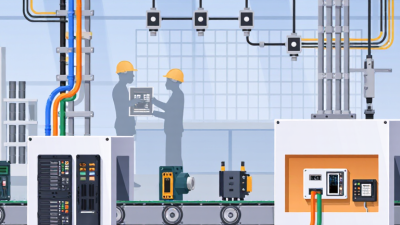
Automation control systems connect sensors, software, controllers, and machines into one operating loop. A sensor measures temperature, pressure, or position. The controller compares that signal with a programmed target. It then sends commands to motors, valves, or robotic equipment.
PLC-based systems suit fast, repeatable machine operations. Distributed control systems manage continuous processes, such as chemical heating or water treatment. SCADA platforms provide supervisory monitoring across distant facilities. Industrial PCs and programmable automation controllers add computing power for complex production lines. The choice depends on response time, safety requirements, network design, and maintenance skills. There is no universal winner.
Industry data shows why these systems matter. The International Federation of Robotics reported 541,302 industrial robots were installed worldwide in 2023. Each robot still needs dependable control, sensing, and communication. Deloitte’s 2024 Smart Manufacturing and Operations Survey found that 86% of surveyed leaders viewed smart manufacturing as important for competitiveness. These figures support investment, but they do not guarantee success. A poorly calibrated sensor can stop an otherwise advanced line. Cybersecurity also requires continuous attention, not a one-time installation.
In practical use, operators watch a dashboard while controllers react in milliseconds. An engineer may adjust a pressure limit from a secure workstation, then test the result during a controlled shutdown.
IEC 61508 and ISA-95 offer useful frameworks for safety and system integration. Yet standards cannot replace site experience.
Global buyers should verify spare-part access, training, language support, and lifecycle costs before signing. The cheapest control cabinet can become expensive when troubleshooting begins.
Key Types of Automation Control Systems for Industrial Applications
Key Types of Automation Control Systems for Industrial Applications
Industrial automation depends on choosing the right control layer, not simply buying more equipment.
Programmable logic controllers suit fast, repeatable machine sequences. Distributed control systems manage continuous processes, such as pressure, temperature, and flow across large plants. SCADA platforms provide supervisory visibility, alarm handling, and historical trends across remote assets. Programmable automation controllers can bridge logic, motion, and data functions when production lines need tighter coordination.
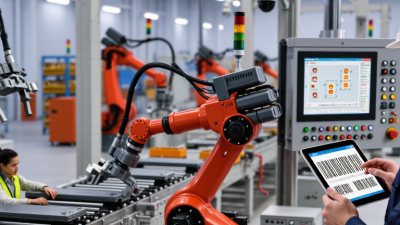
The International Federation of Robotics reported 541,302 industrial robot installations worldwide in 2023, with more than 4.28 million robots operating globally. That growth increases demand for motion controllers, robot interfaces, and safety systems. Safety instrumented systems protect people and equipment when process conditions become dangerous. Industrial edge controllers also reduce response time by processing selected data near machines.
Small details matter. A two-second alarm delay can hide a pressure surge.
Selection should follow application risk, process behavior, maintenance skills, and required uptime.
IEC 61508 supports functional safety decisions, while IEC 62443 provides guidance for industrial cybersecurity. The World Economic Forum’s Future of Jobs Report 2025 identifies robotics and autonomous systems as major transformation technologies. Yet, advanced control does not guarantee better production. Poor sensor placement, unclear alarm priorities, and weak operator training can defeat an expensive architecture.
In practice, the most reliable system is often the one technicians can diagnose at 3 a.m. without guessing.
Leading System Features for Global Automation Buyers
Top Automation Control Systems for Global Buyers?
Global automation buyers need control systems that remain reliable across factories, languages, and operating conditions. A strong system supports open communication protocols, modular architecture, and clear data exchange. These features reduce integration problems when equipment comes from different suppliers. They also simplify future expansion. A plant may begin with ten machines and later require fifty. The control platform should grow without forcing a complete redesign.
Cybersecurity is equally important. Buyers should look for role-based access, encrypted connections, event logging, and secure software updates. Diagnostic tools should show faults in plain language, with timestamps and practical repair guidance. This matters during a night shift, when a technician may have only a few minutes to respond. Remote monitoring can improve service, but it must include strict permission controls. Convenience should never replace accountability.
Operator usability often decides whether advanced features deliver value. A multilingual interface, readable alarms, and consistent screen layouts help teams work safely across regions. Documentation should include wiring details, configuration steps, and maintenance intervals. Local training and responsive technical support also influence long-term performance. No system is perfect. A highly flexible platform can become difficult to manage without disciplined standards. Buyers should test a realistic production scenario, not only review impressive specifications. Small omissions during evaluation can become expensive delays after installation.
Top Automation Control Systems for Global Buyers? - Leading System Features for Global Automation Buyers
The chart presents an indicative 0–100 priority index based on capabilities commonly specified in international industrial automation projects, including IEC 61131-3 control programming, OPC UA interoperability, IEC 62443 cybersecurity, ISA-95 integration, industrial analytics, and secure remote access.
Real-time control and interoperability are foundational requirements, while cybersecurity, scalability, analytics, and remote access support long-term operational resilience and global deployment.
How to Compare Automation Control Systems Across Markets
Comparing Automation Control Systems Across Markets
Choosing an automation control system for global operations requires more than comparing purchase prices. A factory in Germany may need different electrical standards, documentation, and safety validation than a plant in Southeast Asia. Check voltage ranges, control panel requirements, network protocols, and local certification procedures before requesting final quotations.
Use the same test conditions for every supplier. Measure scan time, alarm response, data logging capacity, and recovery after a power interruption. Ask whether the system supports common industrial protocols and whether it can connect with existing drives, sensors, and enterprise software. I have found that integration hours often cost more than the controller itself. That detail is easy to miss.
Local service matters.
Compare technician coverage, spare-part storage, training, and response times in each target market. Also examine cybersecurity updates, remote-access controls, and user-permission settings. These features affect reliability when equipment operates across time zones.
A five-year lifecycle estimate should include licensing, maintenance, energy use, and staff training, not only installation. However, a spreadsheet can still mislead. Site conditions, operator habits, and uncertain expansion plans may change the result. Small pilot tests reveal weaknesses that polished demonstrations rarely show. Ask for documented test records, clear warranty terms, and references from facilities with similar production demands.